

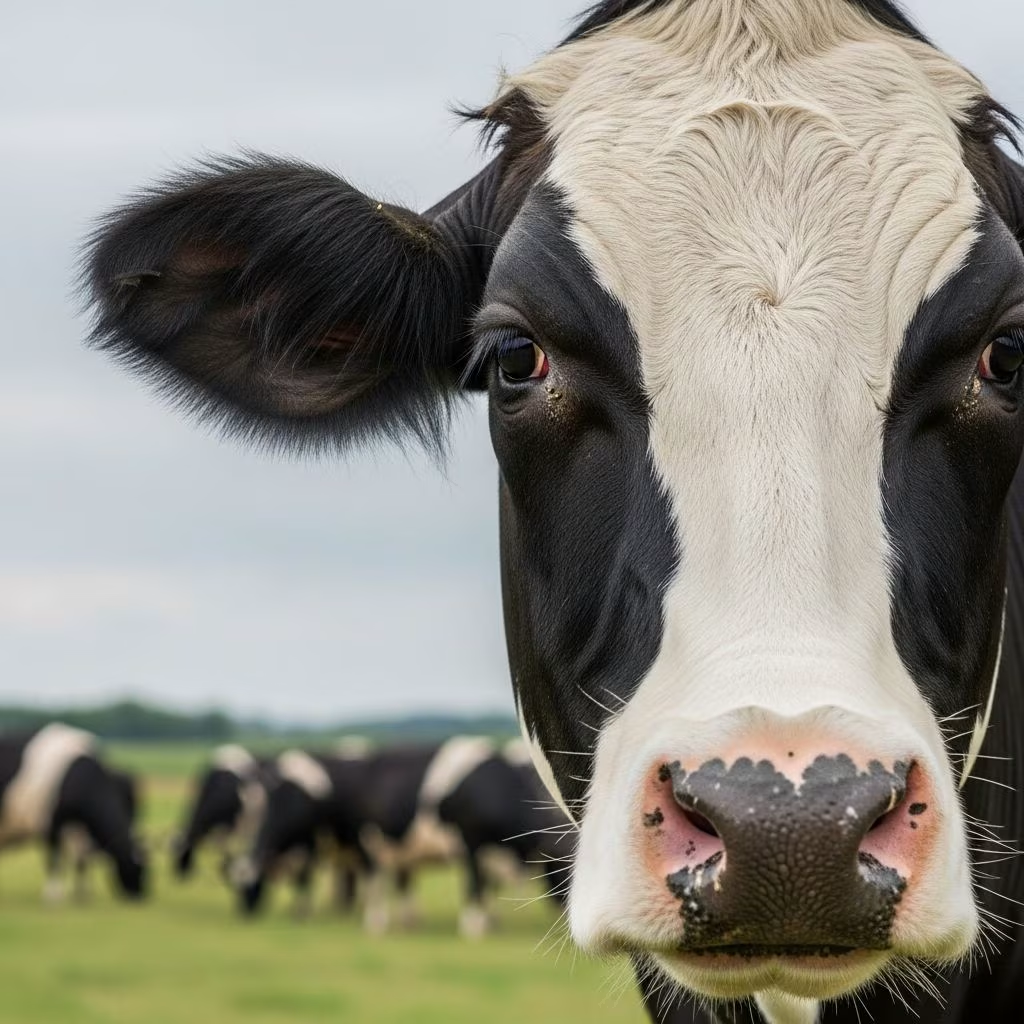
Bovine ephemeral fever (BEF), often called three-day sickness, is a viral condition primarily impacting cattle and occasionally water buffalo. This mosquito-transmitted disease leads to short-term but disruptive symptoms like high fever and muscle stiffness, potentially causing economic losses through reduced milk output and weight gain.
Origins and Viral Characteristics
The disease stems from the bovine ephemeral fever virus (BEFV), classified under the genus Ephemerovirus within the Rhabdoviridae family. This enveloped, bullet-shaped virus contains single-stranded, negative-sense RNA. Its size measures approximately 60-80 nm wide and 120-170 nm long, enabling efficient replication in host cells.
BEFV targets multiple tissues upon infection, including lymph nodes, respiratory epithelium, and muscle cells. This triggers viremia, where the virus spreads systemically, provoking inflammation and the characteristic clinical signs. The virus’s neurotropic potential can damage the nervous system in severe cases, explaining variable outbreak severity.
Transmission Pathways in Cattle Herds
BEFV spreads exclusively via arthropod vectors, mainly mosquitoes such as Culex and Aedes species, and biting midges. Outbreaks surge after heavy rainfall, which boosts insect populations. Cattle aged 6 months to 2 years are most susceptible, gaining lifelong immunity post-infection.
- Mosquito bites introduce the virus during feeding.
- Wind currents can carry infected vectors over long distances, facilitating rapid herd spread.
- No direct cattle-to-cattle transmission occurs; mechanical transfer by insects is key.
Geographically, BEF affects regions in Australia, Asia, the Middle East, and Africa, with seasonal peaks in warmer, wetter months.
Recognizing Early Clinical Manifestations
Symptoms emerge abruptly after a 2-4 day incubation (up to 10-11 days max). The acute phase features a fever spiking to 41-42°C, shivering, depression, and inappetence. Affected cattle exhibit arched backs, extended muzzles, excessive salivation, and nasal/ocular discharges.
| Stage | Key Signs | Duration |
|---|---|---|
| Febrile | High fever (>40°C), shivering, drooling, reduced feed intake | 1-2 days |
| Muscle Involvement | Lameness, joint swelling, stiffness, recumbency risk | Day 2-3 |
| Recovery | Appetite return, lingering weakness in some | Post-day 3 |
In dairy cows, milk yield plummets sharply. Other signs include tachycardia, tachypnea, ruminal stasis, and occasional bloat. Pregnant animals face abortion risks from fever stress, while heavy cattle may suffer spinal damage from prolonged recumbency.
Progression and Potential Complications
Most cases resolve in 3 days, but complications like hypocalcemia, secondary infections, or nervous system lesions prolong recovery. Mortality stays low at 1-2%, though recent outbreaks report higher rates. Downed animals risk muscle necrosis, atelectasis, or emphysema if not managed promptly.
- Respiratory issues: Shortness of breath, nasal dilation.
- Gastrointestinal: Enteritis, bloody stools, abdominal discomfort.
- Reproductive: Miscarriages, stillbirths, or calf neglect.
Post-infection, some cattle show persistent weight loss or “staggers” from spinal cord damage, underscoring the need for vigilant monitoring.
Diagnostic Approaches for Confirmation
Diagnosis relies on clinical signs, herd history, and lab tests. Acute fever and lameness in mosquito-active seasons suggest BEF.
- Virus Isolation: Culture from early blood samples.
- Molecular: PCR detects viral RNA in blood or tissues during initial days.
- Serology: Paired sera (acute and 14-day convalescent) via ELISA, virus neutralization, or complement fixation to show antibody rise.
Necropsy reveals serofibrinous polysynovitis, polyarthritis, and pulmonary lesions in fatalities.
Supportive Treatment Strategies
No antiviral cure exists; focus is symptomatic relief. Early intervention cuts disease duration and losses.
- Anti-inflammatories: Injectable NSAIDs reduce fever, pain, and inflammation; vet consultation essential for withholding periods.
- Calcium Supplementation: Subcutaneous calcium borogluconate for hypocalcemia signs like paresis or ruminal atony.
- Nursing Care: Provide shade, water, feed access; turn recumbent cattle to avoid pressure sores.
Separate affected animals to shaded paddocks without steep terrain. Aggressive early treatment prevents recumbency, especially in valuable stock like bulls or pregnant cows.
Preventive Measures and Control Tactics
Vaccination forms the cornerstone where available. Modified-live or inactivated vaccines induce immunity, administered pre-outbreak season. In Australia, annual boosters are common for at-risk herds.
- Insect control: Use pour-on insecticides, environmental management to reduce breeding sites.
- Herd movement: Quarantine new stock; avoid transport during vector peaks.
- Surveillance: Monitor for early signs post-rainfall.
While vaccines prevent clinical disease, they don’t stop infection or vector spread. Biosecurity integrates vaccination with vector mitigation for optimal control.
Economic Ramifications for Producers
BEF disrupts operations via milk drops (up to 100% temporary loss), weight gain halts, and treatment costs. Outbreaks in large herds amplify impacts, with prolonged recovery in some animals compounding losses. Proactive strategies safeguard productivity.
Global Distribution and Outbreak Patterns
Endemic in Australia (e.g., NSW, Queensland), Asia, and Africa, BEF follows mosquito seasons. Climate influences epidemiology, with floods triggering epidemics. Research tracks strain variations for vaccine updates.
Frequently Asked Questions (FAQs)
What causes bovine ephemeral fever?
It’s caused by BEFV, a rhabdovirus spread by mosquitoes.
How long does three-day sickness last?
Typically 3 days, though some recover slower.
Can BEF kill cattle?
Mortality is low (1-2%), but complications raise risks in severe cases.
Is there a vaccine for BEF?
Yes, available in endemic areas; consult local vets.
How to prevent BEF in herds?
Vaccinate, control insects, provide early treatment.
References
- Bovine Ephemeral Fever Factsheet — Center for Food Security and Public Health, Iowa State University. 2010. https://www.cfsph.iastate.edu/Factsheets/pdfs/bovine_ephemeral_fever.pdf
- Bovine Ephemeral Fever (BEF) — BioVenic. Accessed 2026. https://www.biovenic.com/bovine-ephemeral-fever-bef.htm
- Bovine Ephemeral Fever (Three Day Sickness) — NSW Government. Accessed 2026. https://www.nsw.gov.au/regional-and-primary-industries/livestock/health-diseases/bovine-emphemeral-fever
- Bovine Ephemeral Fever — Business Queensland. Accessed 2026. https://www.business.qld.gov.au/industries/farms-fishing-forestry/agriculture/biosecurity/animals/diseases/guide/bovine-ephemeral-fever
- Managing Bovine Ephemeral Fever — Local Land Services NSW (YouTube). 2022-09-20. https://www.youtube.com/watch?v=IWDH7rivcAA
- Bovine Ephemeral Fever (BEF) — FlyBoss. Accessed 2026. https://flyboss.com.au/arboviruses/bef-bovine-ephemeral-fever/
- Epidemiology and Control of Bovine Ephemeral Fever — PubMed (Veterinary Journal). 2015-11-01. https://pubmed.ncbi.nlm.nih.gov/26511615/



