
Botulism In Poultry: Signs, Treatment, And Prevention Guide
Understand the causes, symptoms, diagnosis, and prevention strategies for botulism, a serious neurotoxic disease threatening poultry flocks worldwide.
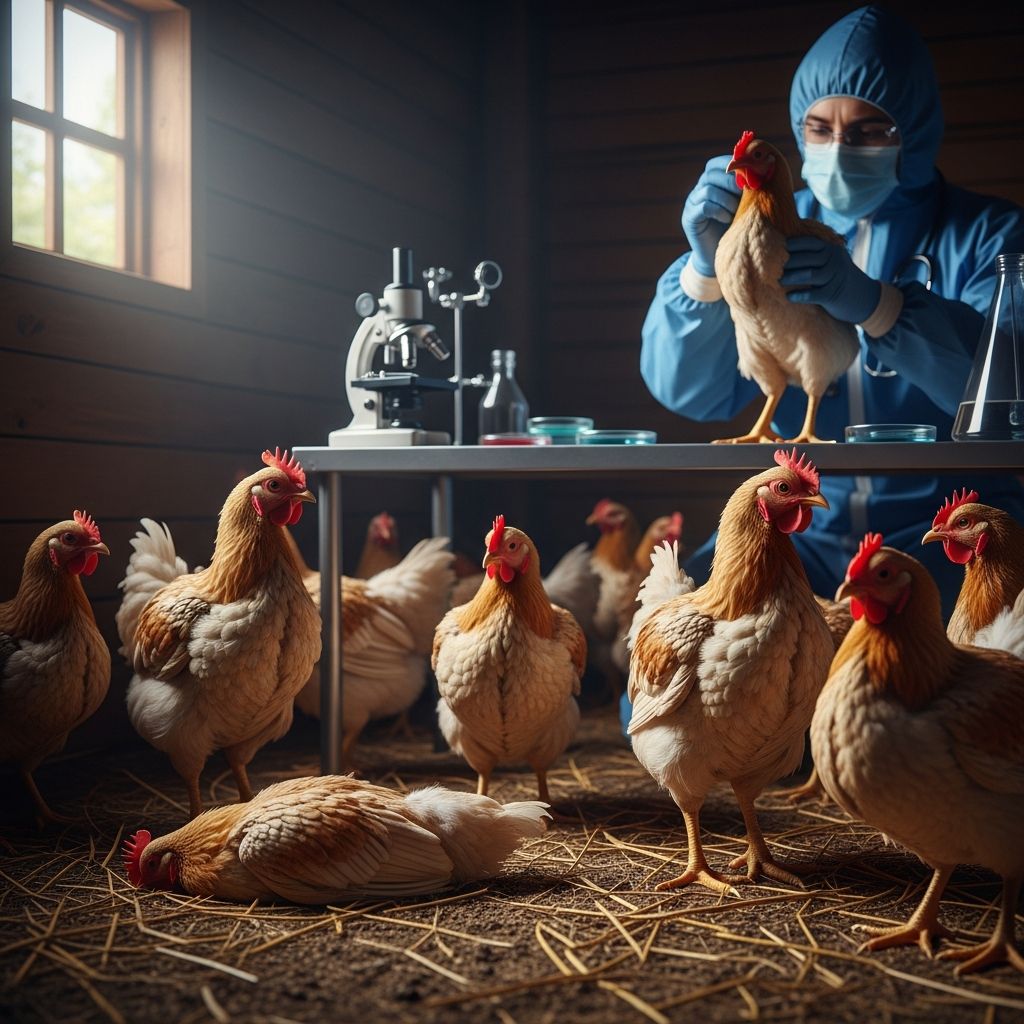
Botulism poses a significant risk to poultry operations, manifesting as a rapid-onset paralytic condition triggered by ingestion of botulinum neurotoxins from Clostridium botulinum bacteria. This disease disrupts nerve function, leading to progressive muscle weakness and potentially fatal respiratory failure if not addressed swiftly.
The Nature of the Pathogen and Its Toxins
Clostridium botulinum thrives in anaerobic, low-oxygen environments such as decaying organic matter, producing spores that survive harsh conditions and germinate when conditions favor growth. These bacteria release potent neurotoxins, primarily types C and D in birds, which block neurotransmitter release at neuromuscular junctions, causing flaccid paralysis. Unlike infections from the bacteria themselves, botulism in poultry stems from preformed toxins in contaminated sources, making it a toxemia rather than a true infection.
The toxin’s potency is extraordinary; minute quantities suffice to affect multiple birds. Types A, B, E, and F predominantly impact humans, while C and D dominate avian cases, with occasional E involvement in waterfowl and poultry. Spores are ubiquitous in soil, sediments, and animal intestines, activating in warm, moist settings like rotting carcasses or stagnant water.
Transmission Pathways in Poultry Environments
The primary transmission vector in flocks is the carcass-maggot cycle: a bird dies from any cause, its body decomposes anaerobically, allowing C. botulinum proliferation and toxin production. Maggots from flies feeding on the carcass ingest the toxin, becoming concentrated sources that surviving birds consume, perpetuating outbreaks.
- Decaying vertebrates (rodents, birds) or invertebrates provide ideal media for toxin genesis.
- Contaminated feed, litter, stagnant ponds, or equipment introduce spores or toxins.
- Environmental stressors like high temperatures, low water levels, and rotting vegetation exacerbate risks in free-range or wild settings.
Direct ingestion of spoiled feed, moldy scraps, or compost harboring spores amplifies spread. In backyard flocks, unturned compost piles or access to dead animals heightens vulnerability. Poultry rarely develop toxicoinfectious botulism from intestinal bacterial growth, but it’s possible.
Recognizing Clinical Manifestations
Signs emerge 2 hours to two weeks post-ingestion, depending on toxin dose. Initial leg weakness escalates to paresis and flaccid paralysis ascending to wings, neck, and nictitating membranes (third eyelids).
| Stage | Symptoms |
|---|---|
| Early | Leg paresis, reluctance to move, drooping wings |
| Progressive | Neck limpness (limberneck), inability to hold head, loose feathers |
| Advanced | Total paralysis, respiratory distress, prostration |
Affected birds appear alert but immobilized, with no fever or lesions. Death ensues from cardiac or respiratory failure within 12-24 hours of severe exposure. Sublethal doses cause lethargy and recovery potential. Similar presentations occur in waterfowl, with flight impairment noted.
Diagnostic Approaches
Preliminary diagnosis relies on history, epidemiology (e.g., dead birds, maggot presence), and characteristic paralysis sans gross pathology. Confirmation involves:
- Toxin detection in serum, digesta, or environmental samples via mouse bioassay or ELISA.
- Culture and identification of toxigenic C. botulinum from intestinal contents or feed.
Laboratory testing distinguishes botulism from mimics like avian encephalomyelitis or Marek’s disease. Absence of CNS lesions supports botulism. Veterinary labs like TVMDL aid in neurotoxin confirmation.
Treatment Options for Affected Flocks
Supportive care is cornerstone: isolate sick birds, provide electrolytes, warmth, and assistance with feeding/watering. Recovery hinges on toxin dose and bird resilience; some regain function over weeks.
- Antitoxins: Type-specific or multivalent products neutralize circulating toxin if administered early. Availability varies; cost may limit use in large flocks.
- Antibiotics: Beta-lactams target intestinal proliferation in toxicoinfectious cases, used judiciously to avoid dysbiosis.
- Flush therapies: Epsom salts (1 lb/1000 birds) or potassium permanganate (1:3000) in water/mash to purge toxins.
- Adsorbents: Activated charcoal or cholestyramine bind residual toxin.
Hospitalization with IV fluids benefits individuals, but flock-level interventions prioritize prevention.
Prevention and Control Strategies
Outbreak curtailment demands rapid carcass removal to sever maggot cycles. Incinerate or bury deeply; avoid composting poultry mortality.
Farm Biosecurity Protocols
- Daily mortality checks and prompt disposal.
- Clean/disinfect housing, boots, equipment to eliminate spores.
- Avoid stagnant water; rotate pastures; secure against rodents/wildlife.
Feed and Water Management
Store feed dry, discard spoiled lots, and eschew risky scraps. Provide clean, flowing water sources. Vaccination exists for some toxins but is uncommon in poultry.
Environmental Mitigation
High-risk periods feature summer heat; monitor free-range areas for decay. Limit compost access; use fly controls.
Epidemiology and Global Impact
Botulism strikes worldwide, devastating poultry and waterfowl. U.S. outbreaks claim thousands annually, with mega-events killing millions. Commercial flocks suffer via contaminated litter/feed; backyard setups via scavenged matter. Climate change may intensify risks through warmer waters and prolonged decay.
FAQs on Poultry Botulism
What triggers a botulism outbreak in my chicken coop?
Typically, access to decaying carcasses or maggot-infested matter introduces toxin-laden food.
Can chickens recover from limberneck?
Yes, with low toxin loads and supportive care; full mobility may return in days to weeks.
Is botulism contagious between birds?
No, it’s not directly transmissible; toxin ingestion is required.
How do I test for botulism?
Submit samples to a vet lab for toxin assay; clinical signs guide suspicion.
Are there vaccines for poultry botulism?
Limited; antitoxin prophylaxis is more common in high-risk scenarios.
Long-Term Flock Health Resilience
Integrate biosecurity into routines: rodent-proof feed storage, routine cleanouts, and education on risks. Monitor for early weakness; intervene swiftly. By disrupting toxin sources, producers safeguard productivity and welfare.
Botulism underscores vigilance in poultry management. Proactive measures yield resilient flocks amid environmental challenges.
References
- Botulism in Poultry — Merck Veterinary Manual. 2023. https://www.merckvetmanual.com/poultry/botulism/botulism-in-poultry
- Botulism in Chickens – Signs, Symptoms and Prevention — Dine a Chook. 2023. https://www.dineachook.com.au/blog/botulism-in-chickens-signs-symptoms-and-prevention/
- Avian Botulism — Tree of Life Exotic Pet Medical Center. 2023. https://treeoflifeexotics.vet/education-resource-center/for-clients/poultry/avian-botulism
- Botulism in Poultry — Poultry Extension, University of Kentucky. 2023. https://poultry.extension.org/articles/poultry-health/common-poultry-diseases/botulism-in-poultry/
- Botulism — Cornell Wildlife Health Lab, Cornell University. 2023. https://cwhl.vet.cornell.edu/resource/botulism
- Botulism: A neurotoxic threat in animals — Texas A&M Veterinary Medical Diagnostic Laboratory. 2023. https://tvmdl.tamu.edu/botulism-a-neurotoxic-threat-in-animals/
- Botulism — World Health Organization. 2024-05-07. https://www.who.int/news-room/fact-sheets/detail/botulism
Similar Articles








Read full bio of Sneha Tete


