

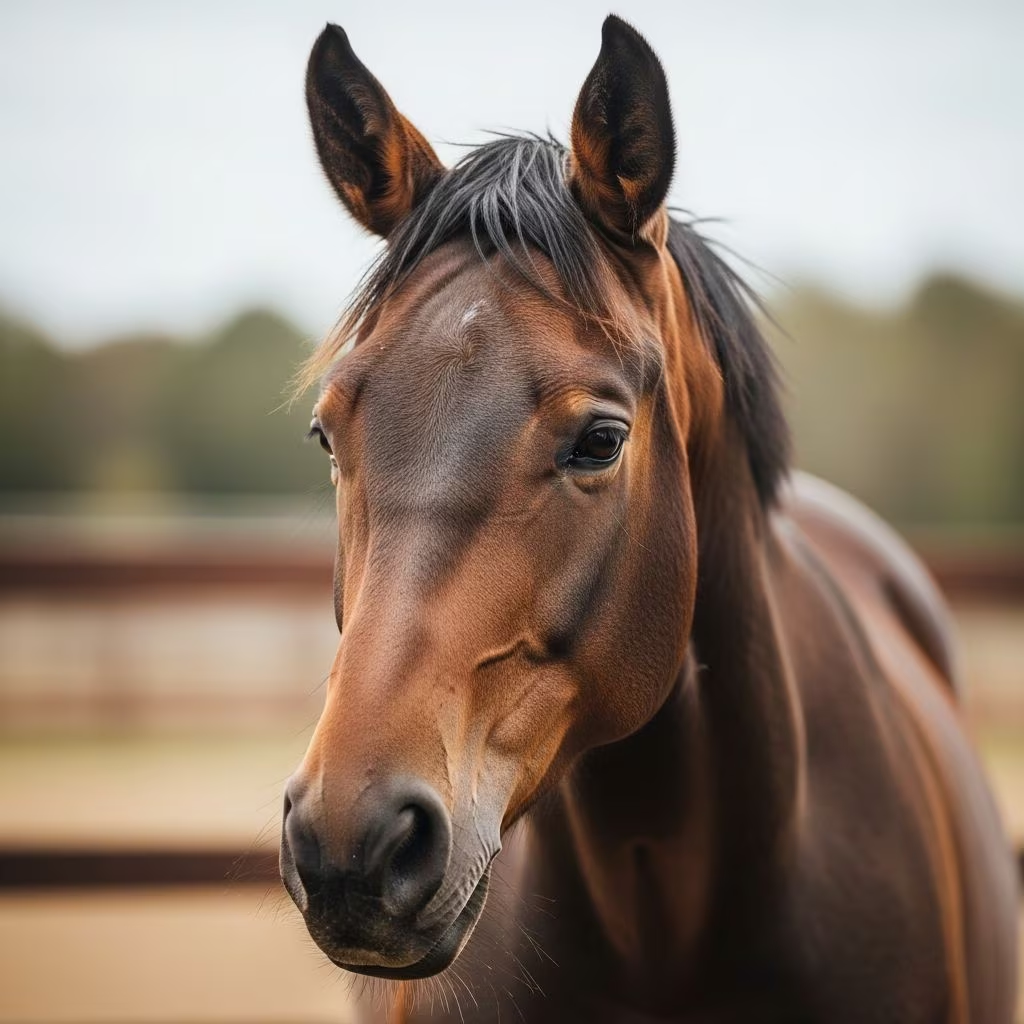
Botulism represents one of the most severe neurological threats to horses, triggered by potent neurotoxins from the bacterium Clostridium botulinum. This spore-forming microbe thrives in anaerobic conditions, releasing toxins that disrupt nerve-muscle communication, leading to progressive weakness and potentially fatal paralysis. Horses stand out as particularly vulnerable due to their grazing habits and sensitivity to even minute toxin quantities. Early detection and intervention are crucial, as the condition advances rapidly without prompt care.
The Science Behind Botulism Toxins
The core issue with botulism lies in its neurotoxin, among the most lethal substances known. Produced by C. botulinum types A through G, with type B dominating equine cases at around 85%, the toxin targets the neuromuscular junction. It prevents acetylcholine release, the neurotransmitter essential for muscle contraction, resulting in flaccid paralysis that spares mental alertness.
Spores of this bacterium persist in soil, animal remains, and spoiled vegetation. Under low-oxygen environments like improperly stored silage or haylage, they germinate and multiply, churning out toxins. Adult horses ingest pre-formed toxins directly, while foals face unique risks from intestinal spore germination.
Primary Forms of Botulism in Equines
Equine botulism manifests in three distinct patterns, each with specific risk factors:
- Forage Poisoning: The predominant type in adults, occurring when horses consume toxin-laden feed such as moldy hay, decaying plant matter, or poorly fermented silage. This form strikes quickly after ingestion.
- Toxico-Infectious Botulism (Shaker Foal Syndrome): Common in foals under 30 days, where ingested spores colonize the immature gut, producing toxins locally. Foals with gut issues like ulcers are especially prone.
- Wound Botulism: Rare but possible after injuries, surgeries, or injections introduce spores into deep wounds, allowing local toxin production.
| Type | Affected Group | Source | Onset Speed |
|---|---|---|---|
| Forage Poisoning | Adults mainly | Contaminated hay/silage | Hours to days |
| Shaker Foal | Foals <30 days | Gut spore germination | Variable, often rapid |
| Wound | Any age | Infected injuries | Slower progression |
Recognizing the Warning Signs
Symptoms emerge hours to a week post-exposure, scaling with toxin dose. Initial indicators include exercise intolerance, where horses tire unusually fast during routine activities. Affected animals often appear uncoordinated, with trembling muscles and difficulty maintaining eyelid tone, leading to half-closed eyes.
As paralysis advances, key signs intensify:
- Flaccid tongue protruding from the mouth, causing drooling and feed dropping (dysphagia).
- Tail weakness, hanging limply without tone.
- Leg tremors evolving to buckling knees and recumbency, yet horses remain mentally sharp.
- Short, stiff strides or stumbling gait.
- Respiratory distress in severe cases, marked by labored breathing or hypoventilation.
Foals exhibit ‘shaker’ tremors, especially in the head and neck, struggling to nurse or stand steadily. Without intervention, progression to full paralysis and respiratory failure can occur within days.
Accurate Diagnosis Challenges
Diagnosing botulism demands ruling out similar conditions like equine protozoal myeloencephalitis (EPM), rabies, or organophosphate poisoning. Veterinarians prioritize history—recent feed changes or group outbreaks—and clinical presentation: symmetric weakness with preserved consciousness.
Lab tests detect toxin in serum, gut contents, or feed via mouse bioassay or PCR, though results lag behind urgent needs. In endemic areas, dysphagia plus tongue hypotonia flags botulism immediately. Supportive diagnostics include electrolyte checks and ruling out trauma.
Critical Treatment Approaches
Time is paramount; antitoxin neutralizes circulating toxin but not neuron-bound portions. Administer polyvalent antitoxin (types A-E) or type B-specific products like BotVax plasma promptly—costs range $1,000-$3,000 per dose. Sources include university centers or commercial plasma.
Supportive care sustains life during recovery:
- Slinging recumbent horses to prevent pressure sores and muscle atrophy.
- IV fluids, electrolytes, and nutrition via tube feeding for dysphagic cases.
- Respiratory support if needed, monitoring for pneumonia.
- Cautious antibiotics only for wounds; avoid in forage/foal cases as they may spur toxin release (e.g., penicillin in gut).
Mild cases might recover without antitoxin, but odds soar with early therapy. Survival hinges on toxin load and speed—up to 90% fatality untreated.
Prevention: The Best Defense
Vaccination forms the cornerstone, especially for foals. The BotVax B vaccine targets type B, administered as a series starting at 2-3 months, with boosters. High-risk areas or foals from carrier mares demand earlier protection.
- Feed Management: Inspect hay for mold, odors, or discoloration; discard spoiled batches. Store in dry, ventilated areas to curb anaerobic growth. Avoid round bale silage unless perfectly fermented.
- Hygiene Practices: Prompt wound cleaning and antibiotics for injuries. Remove carcasses from pastures promptly.
- Foal Protocols: Ensure colostrum intake; monitor for early tremors in shaker-prone regions.
Outbreak response: Isolate cases, test feed, and vaccinate herd mates.
Risk Factors and Regional Insights
Botulism hotspots cluster in soil-rich, alkaline regions like the Midwest U.S., Ontario, and parts of California, where C. botulinum spores abound. Haylage and big bales heighten risks due to pH and moisture favoring growth. Climate shifts toward wetter conditions may boost incidence.
Foals from unvaccinated dams carry higher odds, as maternal antibodies wane. Grain, cubes, or chaff rarely pose issues but warrant scrutiny.
Prognosis and Long-Term Outlook
With antitoxin and intensive care, survival reaches 50-80% for adults, higher in mild exposures. Foals fare better if treated pre-recumbency. Recovery spans weeks to months, with gradual remuscling. Some retain mild deficits like tail weakness, but most return to full function.
Fatalities stem from respiratory collapse or secondary infections like aspiration pneumonia. Post-recovery vaccination prevents reinfection.
FAQs on Equine Botulism
Q: How quickly does botulism kill a horse?
A: Untreated, severe cases progress to death in 24-72 hours via paralysis, but early antitoxin can reverse this.
Q: Is botulism contagious between horses?
A: No, it’s toxin-mediated, not directly transmissible; shared contaminated feed causes outbreaks.
Q: Can I vaccinate adult horses?
A: Yes, though primary for foals; adults in endemic zones benefit from annual boosters.
Q: What if my hay smells off?
A: Do not feed it—moldy or clostridial odors signal danger. Test suspect batches.
Q: Are there home remedies?
A: None; only vet-administered antitoxin and support work. Call a professional immediately.
Key Takeaways for Horse Owners
- Monitor for early weakness, tongue issues, and tremors.
- Prioritize quality feed storage and vaccination.
- Seek vet care at first suspicion—seconds count.
References
- Botulism in Horses: Causes, Symptoms & Treatment — Mad Barn. 2023. https://madbarn.com/botulism-in-horses/
- Equine Botulism 101 — US Equestrian. 2022-10-15. https://www.usef.org/learning-center/videos/equine-botulism-101
- AAEP Botulism Disease Guidelines — American Association of Equine Practitioners. 2017-01. https://aaep.org/wp-content/uploads/2017/01/Botulism-Guidelines-Final.pdf
- Steering Horses Away From Botulism — Texas A&M University College of Veterinary Medicine. 2023-05-12. https://vetmed.tamu.edu/news/pet-talk/horses-botulism/
- Botulism in Horses and Haylage — Government of Ontario. 2022. http://www.ontario.ca/page/botulism-horses-and-haylage
- Botulism — UC Davis Center for Equine Health. 2024. https://ceh.vetmed.ucdavis.edu/health-topics/botulism



