

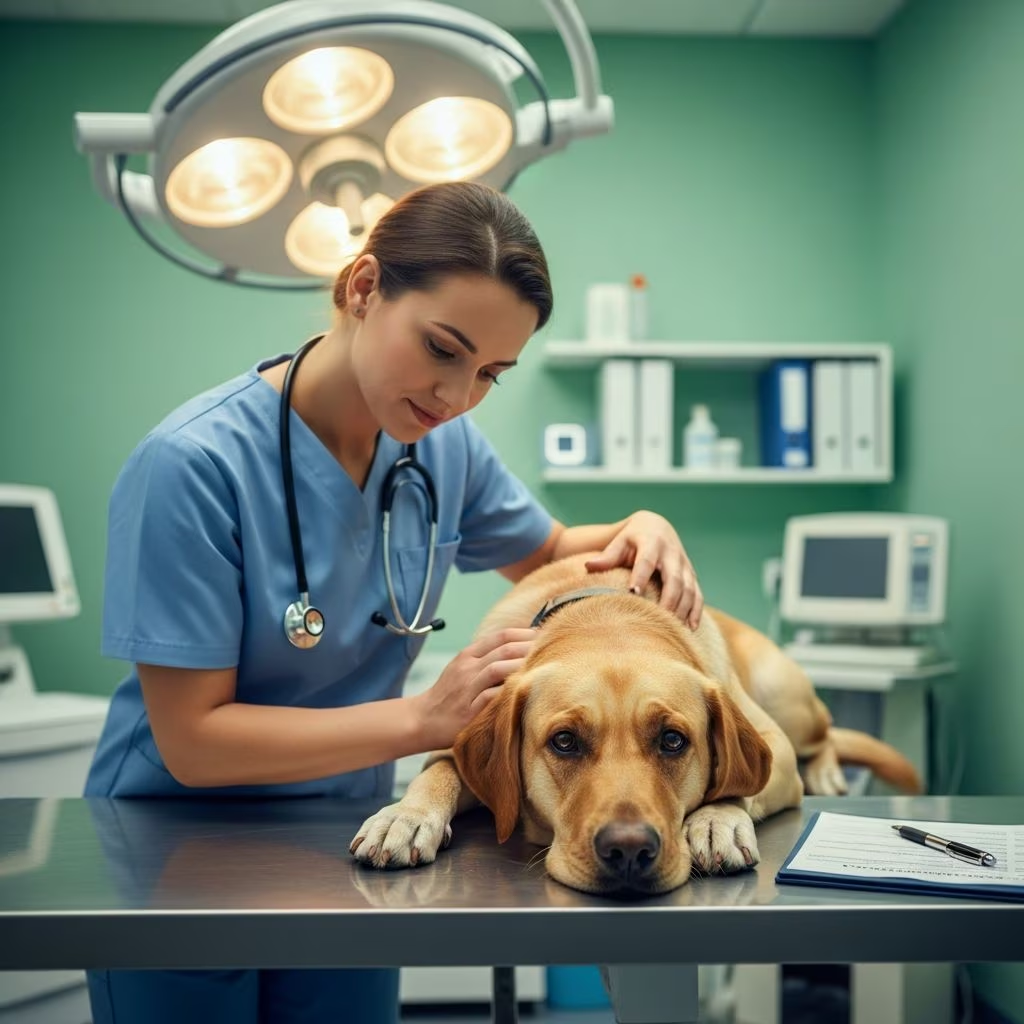
What is Botulism?
Botulism is a rare but serious condition that causes paralysis in dogs. This devastating neurological illness is caused by ingesting the botulinum toxin, a powerful neurotoxin produced by the bacterium Clostridium botulinum. While botulism remains uncommon in dogs, the severity of the condition makes it crucial for pet owners to understand how the disease develops, recognize its warning signs, and know when to seek immediate veterinary care.
The botulinum toxin is one of the most potent toxins known, and even small amounts can cause significant harm to a dog’s nervous system. Once ingested and absorbed into the bloodstream, this toxin begins attacking the nerves that control muscle movement, leading to progressive weakness and potentially fatal paralysis if left untreated.
How Dogs Get Botulism
Understanding how dogs contract botulism is essential for prevention. Most cases of botulism in dogs result from eating dead animals or contaminated raw meat. The bacterium Clostridium botulinum thrives in environments where organic matter is decomposing, making decomposing carcasses a primary source of infection.
Dogs can be exposed to botulinum toxin through various contaminated food sources, including:
– Decaying animal carcasses, particularly dead birds- Rotting vegetation- Spoiled or improperly canned food- Contaminated raw meat- Rotting grass, hay, and spoiled silage- Liquid manure
In rare cases, deep wound infections caused by Clostridium botulinum can lead to botulism developing from the infected wound itself, though this is an uncommon route of infection compared to ingestion.
How Botulism Affects Your Dog’s Body
Once a dog consumes the botulinum toxin, the substance is rapidly absorbed through the stomach and intestines into the bloodstream. The toxin then travels throughout the body, where it binds to nerve endings. Understanding this mechanism is crucial to comprehending why botulism causes such severe symptoms.
Nerves in the body communicate with muscles to trigger contractions and movement. The botulinum toxin blocks this critical communication process by preventing the release of acetylcholine, the chemical messenger responsible for muscle activation. As a result, muscles become unable to contract, leading to progressive weakness and eventually complete paralysis.
The diaphragm muscle, which separates the abdomen from the chest and plays a vital role in breathing, is particularly concerning. While the diaphragm shows more resistance to the botulinum toxin than other muscles, once it becomes affected, a dog loses the ability to breathe independently. Without medical intervention and mechanical ventilation, respiratory paralysis can be fatal.
Recognizing Symptoms of Botulism
Symptoms of botulism typically develop within 24 to 48 hours after ingestion, though they can be delayed up to 6 days in some cases. Early recognition of these symptoms is critical for seeking timely veterinary treatment.
The initial signs of botulism usually include:
– Vomiting- Difficulty swallowing- Progressive symmetrical limb weakness beginning in the rear limbs- Decreased spinal reflexes- Inability to walk
As the disease progresses, dogs may experience difficulty chewing and disturbed vision. The paralysis typically starts in the rear limbs and progressively moves upward through the body. One distinguishing feature of botulism is that affected dogs generally remain mentally alert and aware of their surroundings despite their physical inability to move. This can be particularly distressing for owners to witness, as their dogs are conscious but trapped in paralyzed bodies.
If the paralysis continues to advance and reaches the diaphragm, dogs may develop breathing difficulties and lose the ability to breathe on their own. This represents a life-threatening emergency requiring immediate ventilator support.
Diagnosis of Botulism
Diagnosis of botulism can be challenging because the symptoms are nonspecific and common to many other neurological conditions. A diagnosis is typically suggested by a history of exposure to potentially contaminated food or the opportunity for the dog to have consumed dead animals or spoiled food.
Veterinarians may perform various diagnostic tests to rule out other conditions and confirm botulism, including:
– Physical examination- Blood tests- Diagnostic imaging- Urinalysis
The botulinum toxin itself can be detected in samples of blood, food, vomit, or feces, though this is not always readily available in standard veterinary practices. Your veterinarian may send samples to specialized laboratories for toxin detection and identification.
Treatment Options for Botulism
It is important to understand that botulism in dogs is not a bacterial infection that can be treated with antibiotics, but rather a toxin-induced intoxication. A dog with botulism has been poisoned by a neurotoxin, not infected by bacteria. This distinction significantly affects treatment approaches.
Early Intervention
If botulism exposure is known or suspected before clinical signs develop, the botulinum antitoxin can be administered. The antitoxin works by preventing the botulinum toxin from binding to nerve endings and causing paralysis. However, once clinical signs of paralysis develop, the antitoxin is no longer effective because the toxin has already bound to the nerve cells.
With early intervention, antitoxin administration, and decontamination efforts may be helpful in preventing the progression of symptoms.
Supportive Care
Once signs of botulism have developed, treatment focuses entirely on supportive care. Supportive treatment means managing symptoms, making your dog comfortable, and allowing your dog’s immune system to fight off the toxin. This supportive care will require hospitalization and may require intensive care, depending on the severity of your dog’s signs.
Signs of botulism typically resolve with time, and supportive care decreases the likelihood of complications. Treatment protocols depend on how severely your dog has been affected by the toxin and can range from short hospitalization with intravenous therapy to several weeks in an intensive care unit.
Comprehensive Treatment Measures
Treatment of botulism in dogs may include multiple supportive interventions:
– Intravenous fluids to maintain hydration- Supplemental oxygen therapy- Mechanical ventilation for severe respiratory dysfunction- Antibiotics to treat secondary infections (such as aspiration pneumonia)- Ophthalmic ointment to keep eyes moist and prevent keratitis- Assistance with eating and drinking- Upright feedings and antacids to prevent aspiration pneumonia- Soft, padded bedding to prevent pressure sores- Regular turning of the patient to prevent bed sores- Urinary catheter or manual bladder expression for urinary care- Nasogastric (NG) or gastrostomy (G) tube for nutrition- Passive range of motion (PROM) and massage- Physical therapy
Important Note: Do not force feed paralyzed animals, as force feeding can lead to aspiration pneumonia. A feeding tube or intravenous nutrition is necessary.
Additionally, contact a veterinarian before administering antibiotics, as they can cause an increase in botulism toxin concentration, and some types of antibiotics can worsen neuromuscular function.
Recovery and Prognosis
The prognosis for dogs with botulism depends on several factors, including the dose of toxin ingested and the size of the animal. With prompt and long-term, intensive nursing care, most paralyzed dogs recover within 1 to 3 weeks. Mildly affected dogs may need assistance with eating or drinking, while more severely affected dogs may require more intensive interventions.
Recovery is possible because the body gradually breaks down the toxin and forms new nerve endings, restoring the ability of nerves to communicate with muscles. During recovery, consistent nursing care is essential to prevent complications such as pressure sores, infections, and aspiration pneumonia.
Prevention Strategies
While botulism is rare, preventing exposure is far simpler than treating the disease. Pet owners can take several steps to reduce their dog’s risk:
– Prevent access to dead animals, particularly birds and other wildlife- Avoid feeding raw meat or improperly canned food- Keep dogs away from decomposing vegetation and rotting organic matter- Supervise outdoor activities, especially in areas where wildlife may be present- Dispose of animal carcasses properly- Avoid feeding dogs food from unknown sources- Be cautious with homemade raw diets and ensure proper food handling
Frequently Asked Questions
Q: Is botulism contagious between dogs?
A: No, botulism is not contagious between dogs. Dogs cannot transmit botulism to other dogs, only the toxin itself is harmful, not a spreading infection.
Q: How quickly does botulism develop in dogs?
A: Symptoms typically develop within 24 to 48 hours after ingestion, though they can be delayed up to 6 days in some cases.
Q: Can botulism be cured with antibiotics?
A: No, botulism cannot be treated with antibiotics because it is a toxin-induced poisoning, not a bacterial infection. Treatment focuses on supportive care and allowing the body to break down the toxin naturally.
Q: What is the survival rate for dogs with botulism?
A: With prompt and intensive care, most dogs recover from botulism. Recovery typically occurs within 1 to 3 weeks, though survival depends on the toxin dose and severity of symptoms.
Q: Can a dog fully recover from botulism?
A: Yes, many dogs fully recover from botulism with appropriate supportive care. The body gradually breaks down the toxin and regenerates nerve endings, restoring normal muscle function.
Q: Is there a vaccine for botulism in dogs?
A: There is no widely available vaccine for botulism in dogs. Prevention focuses on avoiding exposure to contaminated food sources and dead animals.
Q: What should I do if I suspect my dog has botulism?
A: Contact your veterinarian immediately. Early intervention and supportive care are crucial for the best outcomes. If you know what your dog ate, provide this information to your veterinarian.
References
- Botulism in Dogs — VCA Animal Hospitals. 2025. https://vcahospitals.com/know-your-pet/botulism-in-dogs
- Botulism in Dogs – Causes, Treatment and Associated Conditions — Vetster. 2025. https://vetster.com/en/conditions/dog/botulism
- Botulism in Dogs — PetMD. 2025. https://www.petmd.com/dog/conditions/neurological/c_dg_botulism
- What is Botulism in Dogs and What Should I Look Out For? — SEV Neurology. 2025. https://sevneurology.com/blog/botulism-in-dogs
- Botulism in Animals – Infectious Diseases — MSD Veterinary Manual. 2025. https://www.msdvetmanual.com/infectious-diseases/clostridial-diseases/botulism-in-animals
- Botulism in Dogs – Symptoms, Causes, Diagnosis, Treatment — Four Paws USA. 2025. https://www.fourpawsusa.org/our-stories/publications-guides/botulism-in-dogs
- Botulism — Cornell Wildlife Health Lab. 2025. https://cwhl.vet.cornell.edu/disease/botulism



