

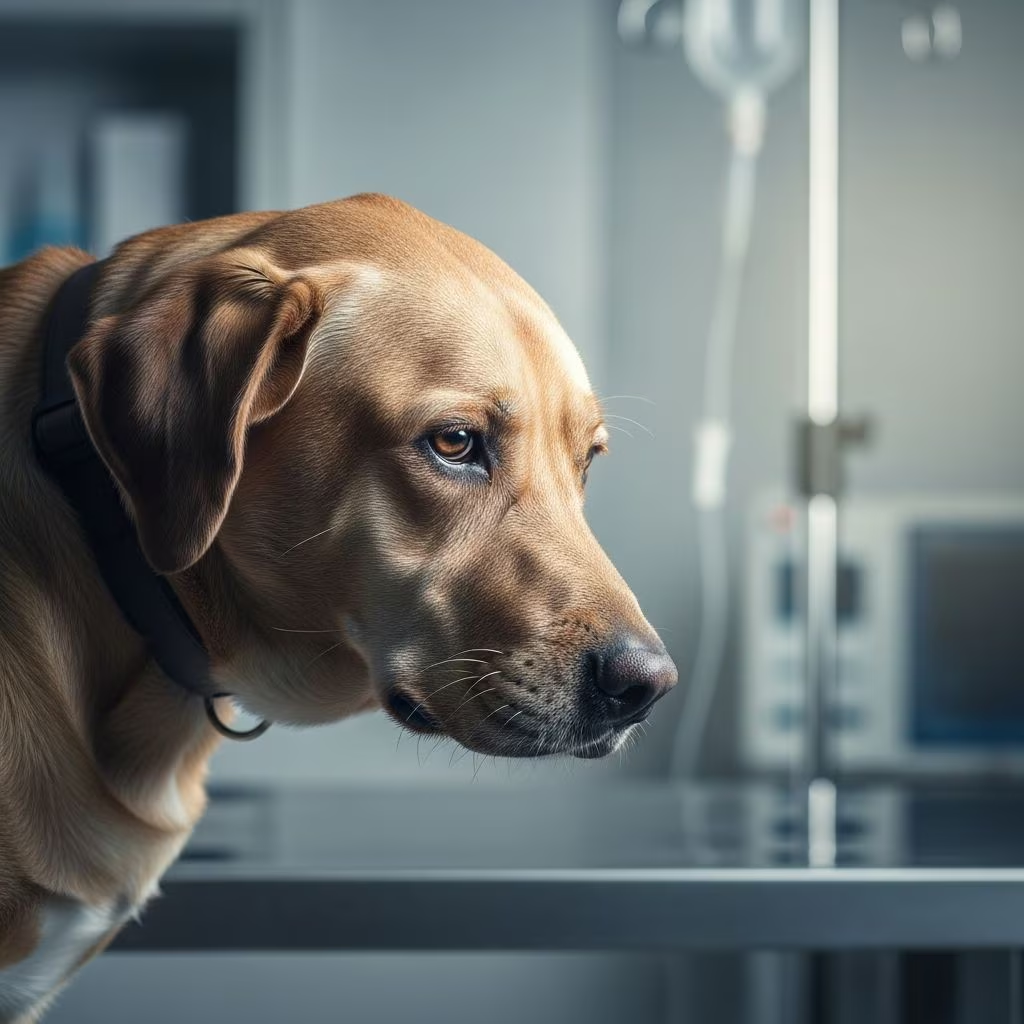
Botulism poses a significant health risk to dogs through a potent neurotoxin produced by the bacterium Clostridium botulinum. This condition leads to muscle weakness and paralysis by disrupting nerve signals to muscles, often stemming from ingestion of contaminated materials like decaying animal remains or spoiled vegetation. While uncommon in canines, prompt recognition and intensive supportive therapy can lead to full recovery in most cases.
The Science Behind Canine Botulism
The botulinum toxin targets the neuromuscular junction, where nerves communicate with muscles. After absorption from the gastrointestinal tract into the bloodstream, it binds irreversibly to nerve endings, preventing acetylcholine release necessary for muscle contraction. This results in flaccid paralysis without affecting the dog’s consciousness, as the brain remains fully alert. Dogs are primarily affected by subtype C toxin, differing from human cases which involve subtypes A, B, E, or F. The diaphragm muscle, crucial for breathing, shows relative resistance but can fail in severe instances, necessitating urgent intervention.
Common Sources of Exposure for Dogs
Dogs typically encounter the toxin by consuming raw, decomposing matter. Key sources include:
- Carrion from birds, small mammals, or other wildlife, where C. botulinum proliferates in anaerobic conditions.
- Spoiled or rotting vegetation, such as grass, hay, or silage harboring bacterial spores.
- Contaminated raw meat or improperly preserved food products.
- Rarely, deep wound infections allowing bacterial growth and toxin production.
Environmental ubiquity of C. botulinum spores means risks heighten in areas with abundant dead animals or poor food hygiene. Urban dogs may face exposure from scavenged roadkill or discarded waste.
Recognizing Early Warning Signs
Symptoms emerge 24-48 hours post-ingestion, though delays up to six days occur. Initial signs involve gastrointestinal upset, followed by neurological deficits. Progression is symmetric, starting hindlimb weakness and advancing forward.
| Stage | Symptoms |
|---|---|
| Early (12-36 hours) | Vomiting, tail droop, hindlimb ataxia, reluctance to stand |
| Moderate (1-3 days) | Generalized weakness, head ptosis, facial droop, diminished gag reflex, urinary retention |
| Severe (3+ days) | Recumbency, respiratory distress, dilated pupils, inability to swallow |
Mentally, affected dogs stay responsive, often appearing anxious due to immobility. Owners report sudden hindquarter collapse during walks, escalating to full paralysis.
Pathophysiology: How the Toxin Attacks
Upon ingestion, preformed toxin bypasses bacterial proliferation in the host, directly entering circulation. It cleaves SNARE proteins essential for vesicle fusion at nerve terminals, halting neurotransmitter release. Paralysis spreads from distal limbs proximally, sparing sensory nerves and causing no pain. Recovery hinges on nerve terminal sprouting new endplates, a process taking 2-3 weeks with supportive care. Without intervention, respiratory failure proves fatal.
Veterinary Diagnosis Process
Diagnosis relies on history, clinical presentation, and exclusion of mimics. Key steps include:
- Owner history of scavenging or raw feeding.
- Neurological exam revealing flaccid tetraparesis, hyporeflexia, and normal mentation.
- Electromyography (EMG) showing reduced compound muscle action potentials and normal conduction velocities.
- Toxin detection via mouse bioassay on serum, feces, or gastric contents (gold standard, though slow).
- PCR for C. botulinum genes or culture from suspect food.
Differentials encompass tick paralysis, myasthenia gravis, acute polyradiculoneuritis, and organophosphate toxicity. Simultaneous cases in cohabitating dogs strengthen botulism suspicion.
Comprehensive Treatment Strategies
No specific antidote exists post-symptom onset; antitoxin efficacy wanes once toxin binds nerves. Management emphasizes supportive ICU care tailored to severity.
- Fluid and Nutritional Support: IV fluids prevent dehydration; feeding tubes (NG/G) ensure caloric intake, with upright positioning and antacids mitigating aspiration.
- Respiratory Monitoring: Oxygen supplementation or mechanical ventilation for diaphragmatic involvement.
- Preventive Measures: Eye lubricants combat exposure keratitis; padded bedding and repositioning avert decubital ulcers.
- Secondary Care: Antibiotics for pneumonia or infections; urinary catheterization; physical therapy including PROM exercises.
Hospitalization spans days to weeks, with costs reflecting intensity. Most dogs recover fully within 10-21 days as nerves regenerate.
Prognosis and Factors Influencing Recovery
With aggressive care, prognosis excels: over 90% survival in reported cases. Positive factors include early intervention, mild initial signs, and absence of respiratory compromise. Poor indicators involve prolonged recumbency or complications like aspiration pneumonia. Relapse is rare post-recovery.
Prevention Tactics for Dog Owners
Proactive steps minimize risk:
- Supervise outdoor activities, especially in rural or wildlife-heavy areas.
- Avoid raw diets or unprocessed meats; opt for commercial kibble or properly cooked foods.
- Secure trash and promptly remove carrion from yards.
- Vaccinate in endemic regions with type C/D toxoids, though uncommon for pets.
- Maintain wound hygiene to prevent toxicoinfectious forms.
Awareness empowers owners: discourage scavenging habits through training and leashing.
FAQs on Botulism in Canines
Is botulism contagious between dogs?
No, it’s not transmissible dog-to-dog; acquisition requires direct toxin ingestion.
How quickly do symptoms appear after exposure?
Typically 24-48 hours, but up to 6 days in some instances.
Can botulism be fatal in dogs?
Yes, untreated severe cases lead to respiratory failure, but supportive care yields high survival.
What breeds are most susceptible?
All breeds face equal risk; no genetic predisposition noted.
Should I induce vomiting if I suspect exposure?
Consult a vet immediately; do not attempt without guidance due to aspiration risks.
Case Studies: Real-World Insights
Two urban dogs from one household presented with ascending paresis; EMG confirmed botulism, with full recovery after 3 weeks of ICU support. Another case involved a hunting dog ingesting waterfowl carrion, highlighting outdoor risks. These underscore history’s diagnostic value.
In summary, while botulism remains rare, vigilance against scavenging and swift veterinary response ensure positive outcomes for affected dogs.
References
- What is Botulism in Dogs and What Should I Look Out For? — SEV Neurology. 2023. https://sevneurology.com/blog/botulism-in-dogs
- Botulism in Dogs — PetMD. 2024-02-15. https://www.petmd.com/dog/conditions/neurological/c_dg_botulism
- Botulism in Dogs – Causes, Treatment and Associated Conditions — Vetster. 2023. https://vetster.com/en/conditions/dog/botulism
- Botulism in Dogs — VCA Animal Hospitals. 2024. https://vcahospitals.com/know-your-pet/botulism-in-dogs
- Botulism in Dogs — FOUR PAWS USA. 2023-10-01. https://www.fourpawsusa.org/our-stories/publications-guides/botulism-in-dogs
- Botulism in Animals — MSD Veterinary Manual. 2025-01-10. https://www.msdvetmanual.com/infectious-diseases/clostridial-diseases/botulism-in-animals
- Botulism in 2 urban dogs — PMC/NIH. 2010-08-01. https://pmc.ncbi.nlm.nih.gov/articles/PMC2942055/



