

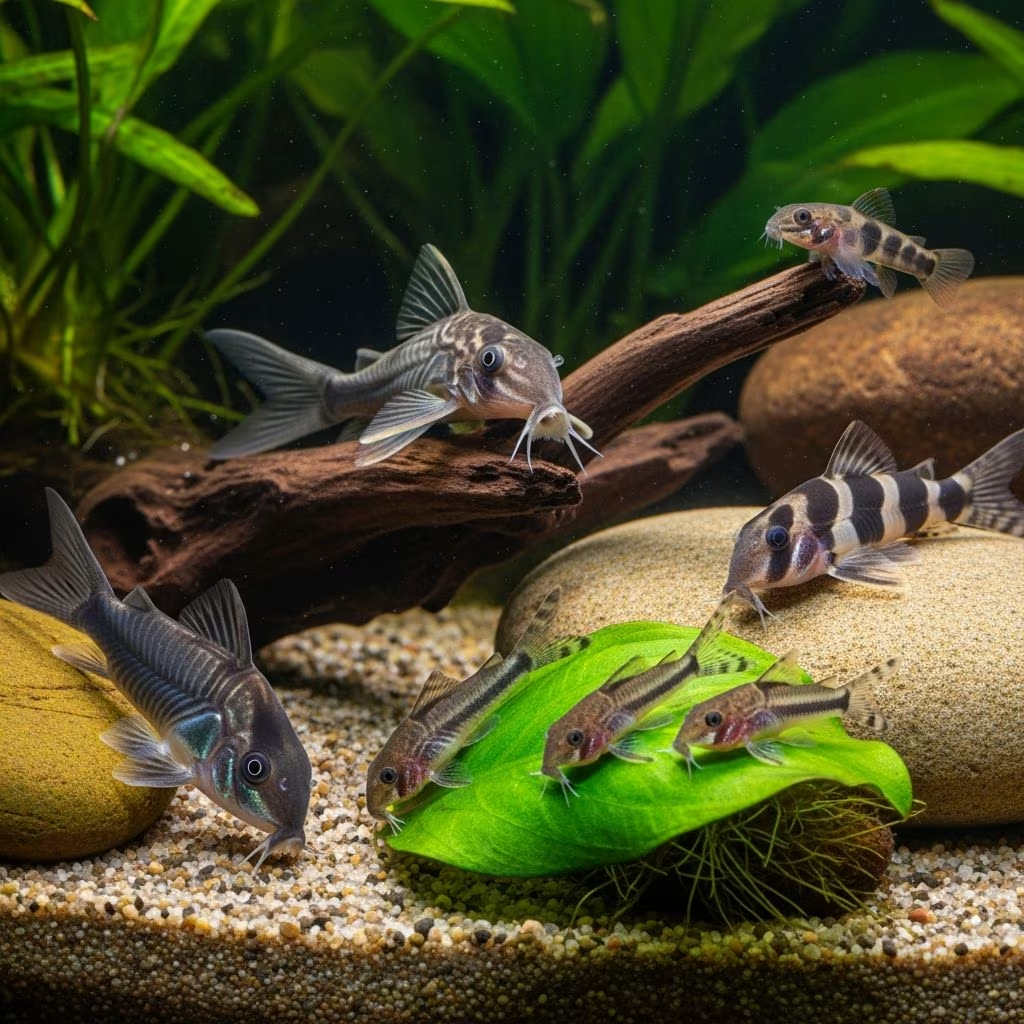
5 Great Bottom-Dwelling Freshwater Aquarium Fish
Bottom-dwelling fish are essential additions to any freshwater aquarium ecosystem. These specialized species spend most of their time foraging on the tank floor, consuming leftover food, algae, and detritus that would otherwise accumulate and compromise water quality. Beyond their practical benefits, bottom dwellers add dynamic movement and interesting behaviors to your aquarium, creating a more complete and engaging underwater environment. Whether you’re a beginner setting up your first tank or an experienced aquarist looking to expand your collection, understanding the characteristics and care requirements of these fascinating fish is crucial for creating a thriving aquatic community.
Why Bottom Dwellers Matter
Bottom-dwelling fish play a vital role in maintaining aquarium health and balance. They act as natural cleanup crews, consuming uneaten food that would otherwise decompose and create harmful ammonia spikes. Many bottom dwellers also consume algae, helping to prevent unsightly algae blooms that can overwhelm your tank. Additionally, their foraging behaviors naturally aerate the substrate, promoting beneficial bacterial growth and preventing dead spots where harmful anaerobic bacteria might develop. By understanding which species work best for your setup, you can create a self-sustaining ecosystem that requires less maintenance while providing superior water quality for all your aquatic inhabitants.
1. Corydoras: The Top Choice for Bottom Dwellers
Corydoras catfish consistently rank as the premier bottom-dwelling fish for freshwater aquariums, and for good reason. These armored catfish are peaceful, personable, and incredibly effective at maintaining tank floors. With hundreds of species available, there’s a Corydoras variety suited to virtually any aquarium setup. Most common varieties grow to approximately 2-3 inches in length, including the popular Corydoras Labrosus, Salt and Pepper Corydoras, Albino Corydoras, Bronze Corydoras, Sterbai Corydoras, Julii Corydoras with their distinctive reticulation patterns, and Panda Corydoras.
One of the standout features of Corydoras is their social nature. These fish thrive in groups and should ideally be kept in schools of six or more individuals. Their schooling behavior not only looks beautiful but also promotes natural social interactions that reduce stress. If you have a particularly large aquarium and want to add a substantial school, consider dwarf Corydoras varieties like the Corydoras axelrodi, which are smaller and can be added in larger numbers without overwhelming your tank’s bioload. While most Corydoras are reasonably priced, premium varieties like the Green Laser Corydora can command higher prices, typically around $17 per fish.
Corydoras Characteristics:
– Small to medium size (2-3 inches for most species)- Peaceful, community-friendly temperament- Live in schools of 6 or more- Excellent substrate foragers- Prefer planted aquariums- Relatively hardy and beginner-friendly
2. Shrimp: Nature’s Perfect Cleaners
Aquarium shrimp rank as exceptional bottom dwellers and scavengers, earning a spot as one of the top choices for aquarium maintenance. These invertebrates come in a stunning variety of colors and patterns, adding visual appeal while performing critical cleaning duties. Shrimp are unparalleled when it comes to reaching into small crevices and cleaning areas that other fish cannot access. They systematically comb through the substrate, plants, and decorations, consuming algae, biofilm, and leftover food with methodical efficiency.
One advantage of keeping shrimp is their reproductive capacity. In appropriate tank conditions, shrimp reproduce readily, meaning your population will naturally increase over time without additional purchases. However, shrimp have one significant limitation: their small size makes them vulnerable to predation by larger fish. Shrimp can and will be eaten by most fish larger than a few inches, making tank mate selection critically important. For this reason, shrimp work best in dedicated shrimp tanks or in aquariums housing only small, peaceful fish species.
Popular Shrimp Species:
– Cherry Shrimp (colorful, hardy)- Amano Shrimp (excellent algae eaters)- Ghost Shrimp (transparent, interesting to observe)- Crystal Red Shrimp (stunning coloration)- Bee Shrimp (small, unique patterns)
3. Loaches: Versatile Bottom Dwellers
Loaches represent an entire family of diverse bottom-dwelling scavengers, offering numerous species from which to choose. This variety ensures you can find a loach species that integrates seamlessly into your existing aquarium community. Loaches are known for their active behavior, interesting personalities, and genuine effectiveness at maintaining tank cleanliness.
Kuhli Loach is among the most popular loach varieties for home aquariums. These distinctive fish feature elongated bodies and an eel-like appearance that captures viewers’ attention. Kuhli Loaches are extremely plant-safe and won’t consume your snails, making them perfect for planted aquariums with established snail populations. Their scavenging behavior is legendary—they spend hours exploring the substrate for food. These fish typically cost around $3 per individual, making them budget-friendly additions to any setup.
Dwarf Chain Loach represents the premium choice for planted tank enthusiasts. These highly personable fish are incredibly active and entertaining to watch. They venture into mid-water regions, creating more dynamic tank activity than strictly bottom-dwelling species. Dwarf Chain Loaches are best kept in schools and are notorious for controlling snail populations if you face an unwanted snail explosion. At approximately $12 per fish, they’re at the pricier end of the loach spectrum, but their personality and effectiveness justify the investment.
Zebra Loach is an excellent choice for aquarists wanting to establish a small group. These fish grow to approximately 4 inches and thrive in groups of three or more. Like other loach species, Zebra Loaches are completely plant-safe, making them ideal for aquascaped tanks with delicate plant species.
4. Synodontis Lucipinnis: The Unique Catfish Option
The Synodontis Lucipinnis brings something distinctly different to bottom-dwelling fish selections. These three-inch nocturnal catfish swim with a shark-like grace that captivates observers. Their unique appearance, combined with their preference for hiding and resting in caves and decorations, adds behavioral diversity to your aquarium. As members of the catfish family, they are primarily active during nighttime hours, becoming more visible and active as lighting dims.
One of the Synodontis Lucipinnis’s most valuable contributions to aquarium health is their exceptional cleaning ability. These fish are dedicated bottom cleaners that consume excess food and organic matter with impressive efficiency. Their nocturnal nature means they work while most of your other fish rest, providing round-the-clock tank maintenance. They do particularly well in community setups with compatible tank mates and appreciate having adequate hiding spaces such as caves, driftwood, and dense plant growth.
5. Geophagus: The Sand-Sifting Specialist
Geophagus, whose name translates to “sand-sifter” or “eartheater,” represents the final essential bottom dweller for comprehensive aquarium coverage. These fascinating fish employ a distinctive feeding behavior that sets them apart from other bottom dwellers. Geophagus spend their days moving across the substrate, taking mouthfuls of sand and sifting through it to extract food particles, before spitting the sand back out. This process repeats continuously throughout the day, creating mesmerizing movement patterns in your aquarium.
The Geophagus’s sifting behavior serves multiple purposes beyond simple feeding. Their constant substrate disturbance aerates the sand or gravel, promoting beneficial bacterial growth and preventing anaerobic pockets from forming. This natural activity significantly improves substrate health and reduces the accumulation of detritus. However, it’s important to note that Geophagus are larger fish compared to many other bottom dwellers, typically ranging from 6-10 inches depending on the specific species. Their size means they require more spacious aquariums and generate a larger bioload, necessitating adequate filtration and regular maintenance.
Comparative Overview of Bottom Dwellers
| Species | Size | Group Size | Price Range | Best For |
|---|---|---|---|---|
| Corydoras | 2-3 inches | 6+ fish | $2-$17 | Community tanks, beginners |
| Shrimp | 1-2 inches | Variable | $2-$8 | Algae control, small tanks |
| Kuhli Loach | 3-4 inches | Single or groups | $3 each | Planted tanks, scavenging |
| Dwarf Chain Loach | 2 inches | Groups recommended | $12 each | Planted tanks, snail control |
| Synodontis Lucipinnis | 3 inches | Single or pairs | Variable | Nocturnal observation, cleaning |
| Geophagus | 6-10 inches | Single or pairs | Variable | Larger tanks, substrate aeration |
Dietary Needs of Bottom Dwellers
While bottom dwellers are excellent scavengers, relying solely on leftover food from surface-feeding fish often proves insufficient for their nutritional needs. Most bottom dwellers consume algae, leftover food, biofilm, sinking pellets, and detritus naturally found in the aquarium. However, intentional supplemental feeding ensures optimal health and coloration.
Plant-based eaters like Bristlenose Plecos and Otocinclus benefit from specialized algae wafers and vegetable supplements. Loaches and other carnivorous bottom dwellers appreciate high-protein foods such as bloodworms and brine shrimp. Corydoras typically accept sinking pellets formulated specifically for bottom feeders. It’s important to feed bottom dwellers separately from surface feeders, ensuring food reaches the tank bottom before surface dwellers consume it all. Quality nutrition directly impacts the health, longevity, and visual appeal of these essential aquarium inhabitants.
Frequently Asked Questions
Q: How many bottom dwellers should I add to my aquarium?
A: The number depends on your tank size and bioload capacity. Corydoras should be kept in groups of at least 6, while a single Geophagus or Synodontis Lucipinnis may suffice for smaller tanks. Always consider your tank’s filtration capacity before adding multiple bottom dwellers.
Q: Can I keep different bottom dweller species together?
A: Yes, many bottom dwellers coexist peacefully. Corydoras, loaches, and shrimp often work well together if the tank is large enough and has adequate resources. However, avoid mixing Geophagus with very small shrimp, as they may be consumed.
Q: Do bottom dwellers need special lighting?
A: Most bottom dwellers don’t require specialized lighting. However, nocturnal species like Synodontis Lucipinnis appreciate dimmer lighting conditions and hiding spaces where they can retreat during bright daytime hours.
Q: How often should I feed my bottom dwellers?
A: Feed bottom dwellers 3-4 times per week with specialized sinking pellets or supplemental foods. Monitor your tank to ensure leftover food doesn’t accumulate excessively, which can degrade water quality.
Q: What tank size do I need for bottom dwellers?
A: Smaller species like Corydoras and loaches can thrive in 20-gallon tanks, while larger species like Geophagus require 40-gallon or larger aquariums. Always choose a tank size that accommodates the adult size and social needs of your chosen species.
Q: Are bottom dwellers compatible with plants?
A: Most bottom dwellers are plant-safe, though some species like Geophagus may disturb plant roots during their sifting behavior. Loaches and Corydoras are generally excellent choices for planted aquariums.
References
- Top 5 Bottom Dwellers You Need for a Freshwater Aquarium — Aquarium Coop. https://www.aquariumcoop.com/blogs/aquarium/top-5-bottom-dwellers
- Top 15 Bottom Feeder Fish for Your Aquarium Tank — Aqualibs. https://aqualibs.com/news/top-15-bottom-feeder-fish-for-your-aquarium-tank/
- Top 6 Best Bottom Feeders for Your Aquarium Tank — Splashy Fish Store. https://splashyfishstore.com/blogs/fish-keeping-101/top-6-best-bottom-feeders-for-aquarium-tank



