

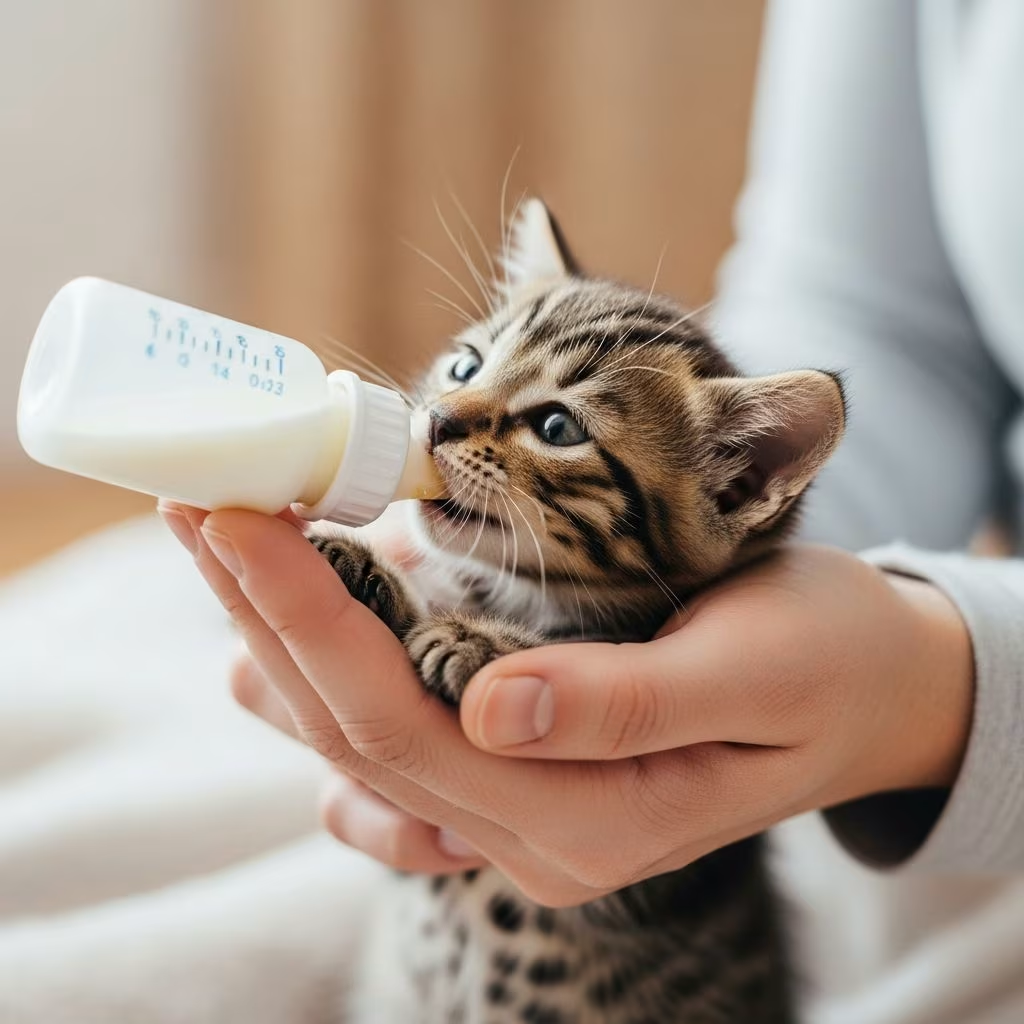
Complete Guide to Bottle Feeding Kittens
Bottle feeding is an essential skill for anyone caring for orphaned or rejected kittens. When a kitten loses its mother or is separated from maternal care, bottle feeding becomes the lifeline that provides proper nutrition and growth. Whether you’re a shelter worker, foster parent, or rescue volunteer, understanding the fundamentals of bottle feeding can mean the difference between a thriving kitten and one with developmental challenges. This comprehensive guide will walk you through every step of the process, from selecting the right supplies to successfully weaning your kitten onto solid food.
Essential Supplies for Bottle Feeding
Before you begin bottle feeding, you’ll need to gather the proper equipment. Quality supplies ensure that feeding is safe, efficient, and comfortable for your kitten. Having the right tools prepared in advance eliminates guesswork and helps you focus on the kitten’s needs during feeding sessions.
Selecting the Right Bottle and Nipple
Bottles specifically designed for kittens are available at most pet supply stores, feed stores, and online retailers. Look for bottles that are appropriately sized for newborns and young kittens, typically ranging from 2 to 4 ounces. The nipple that comes attached to most bottles is not pre-cut and requires modification before use.
To prepare the nipple, carefully cut a small hole in the tip. The hole should be sized so that when you hold the bottle upside down, formula drips out slowly—approximately one drop per second. This pace prevents the kitten from choking and allows them to control their feeding speed. If the hole is too large, the kitten will consume formula too quickly and may experience digestive upset or aspiration. If it’s too small, the kitten will tire from the effort of feeding and may not consume adequate nutrition.
Choosing Quality Kitten Formula
Never use cow’s milk, human baby formula, or dairy alternatives for kittens. These products lack the specific nutrients kittens require and can cause serious digestive issues or even be fatal. Instead, invest in commercially prepared kitten formula from reputable manufacturers. These formulas are specifically formulated to match the nutritional profile of mother cat’s milk and support proper growth and development.
Quality kitten formulas typically include essential taurine, DHA for brain development, and balanced protein and fat ratios. Always follow the manufacturer’s mixing instructions carefully and ensure the formula is free of clumps before feeding. Once prepared, keep formula refrigerated and discard any unused portion after 48 hours.
Preparing Your Kitten for Feeding
Before you offer the bottle, it’s critical to ensure your kitten is physically ready to eat. Proper assessment prevents complications and ensures feeding success.
Temperature Assessment
A kitten’s body temperature is crucial for safe feeding. If a kitten feels cold to the touch or has a temperature of 95 degrees Fahrenheit or lower, it is not safe to feed. Instead, focus on gradually warming the kitten in a warm environment or with heating pads before attempting to bottle feed. A kitten that is overheated also should not be fed until their temperature normalizes. Use a thermometer to assess core body temperature when possible, or consult with a veterinary professional if you’re uncertain.
Evaluating Swallowing Ability
Before each feeding session, verify that your kitten can swallow properly. Place a tiny drop of formula on the kitten’s tongue and gently feel their throat with one finger to detect a swallowing reflex. If the kitten appears stable and demonstrates normal swallowing, you can proceed with the feeding. If the kitten shows any signs of difficulty swallowing, choking, or respiratory distress, consult with a veterinary professional before continuing.
Special Considerations
Kittens with cleft palates require special attention and may be at higher risk during feeding. These kittens may benefit from syringe feeding or other specialized techniques. Always assess each kitten individually and adjust your approach based on their specific needs and capabilities.
Preparing the Bottle for Feeding
Proper bottle preparation ensures the formula is safe and at the optimal temperature for your kitten.
Temperature Control
Formula must be warmed to 98 to 102 degrees Fahrenheit before feeding. The easiest method is to place the prepared bottle in a container of warm water and allow it to heat gradually. Never use a microwave to heat the bottle, as this creates hot spots that can burn the kitten’s mouth. Always test the temperature by placing a few drops on your inner wrist—it should feel comfortably warm, similar to your body temperature.
Hygiene Practices
Wash your hands thoroughly with soap and water before and after each feeding session. Clean all bottles, nipples, and feeding equipment thoroughly before each use to prevent bacterial contamination. Proper hygiene reduces the risk of digestive upset and infection in vulnerable kittens.
The Bottle Feeding Technique
Proper feeding technique is essential for safety and success. This process requires patience, practice, and attention to your kitten’s individual needs.
Positioning the Kitten
Always position the kitten on their stomach in a natural, belly-down posture—never on their back or in a reclined position. This position mimics natural nursing behavior and prevents formula from entering the kitten’s lungs (aspiration). The kitten’s head and neck should be extended in a neutral position, not tilted too far backward. Many caregivers find it helpful to place a towel underneath to achieve the proper 45-degree angle with the bottle.
Holding and Guiding
Use your non-dominant hand to hold the kitten’s head and body stable. Don’t be timid about providing firm support—this guidance helps direct the kitten toward the bottle and prevents struggling. Gently slide the nipple into the kitten’s mouth and invert the bottle to allow formula to flow. Hold the bottle at approximately a 45-degree angle to prevent air from entering the kitten’s stomach.
Managing Formula Flow
Let the formula flow naturally into the kitten’s mouth at their own pace. Never squeeze the bottle, as this forces formula into the mouth and can cause aspiration or choking. If the kitten latches onto the nipple and begins to suckle, allow them to control the feeding speed. If the bottle appears to be collapsing, gently remove the nipple momentarily to let air return to the bottle.
Troubleshooting Latch Issues
Not all kittens latch immediately. Bottle feeding is a learned skill that improves with practice and patience. If your kitten is struggling, try these techniques:
– Ensure the kitten’s head and body are held stable and secure
– Check the bottle and nipple for issues such as holes that are cut too large or too small, or formula clumps causing blockage
– Wrap the kitten gently in a small baby blanket to help them feel focused and swaddled while maintaining belly-down position
– Rub the kitten’s face gently with a soft cloth or toothbrush to simulate a mother cat’s tongue and encourage eating behavior
– Wait a few minutes between attempts if the kitten is resistant and try again with patience
Feeding Schedules and Amounts
Proper nutrition depends on feeding the right amount at appropriate intervals. The frequency and volume of feedings change as kittens grow and develop.
Calculating Daily Requirements
Kittens should consume approximately 8 milliliters of formula per ounce of body weight per day. For example, a 4-ounce kitten needs about 32 milliliters daily, distributed across multiple feedings. Most nursing bottles are marked with measurements in milliliters (ml) or cubic centimeters (cc), which are equivalent measurements.
Feeding Frequency
Newborn kittens typically require feeding 4 to 6 times daily. As kittens grow and their stomachs increase in capacity, feeding frequency can decrease. Weak, sick, or underweight kittens may require more frequent feedings. Always monitor growth and adjust schedules based on individual kitten needs.
Feeding Multiple Kittens
When caring for multiple kittens, feed the first kitten until they stop nursing, then proceed to the next kitten. Once you’ve fed all kittens, start with the first kitten again and repeat. Usually one to three nursing rounds will satisfy all kittens. When a kitten stops nursing voluntarily, they’ve consumed adequate nutrition.
Signs of Adequate Feeding
A well-fed kitten’s belly should appear round but not hard or distended. The kitten should gain weight consistently and show active, alert behavior between feedings. Smaller or weaker kittens might eat less per feeding and require more frequent meals to meet daily nutritional requirements.
Post-Feeding Care and Stimulation
Feeding doesn’t end when the kitten stops nursing. Proper aftercare ensures digestive health and supports natural elimination.
Facial Cleaning
After each feeding, wipe away any formula residue from the kitten’s face using a warm, wet cloth or baby wipe. Formula left on the skin and fur can cause crusty buildup or moist dermatitis, which leads to fur loss and discomfort. Regular cleaning prevents these skin complications and keeps the kitten clean and healthy.
Elimination Stimulation
Young kittens require stimulation to urinate and defecate. After feeding, gently rub the kitten’s genital and anal areas with a warm, damp cloth or cotton ball to stimulate elimination. This mimics the mother cat’s natural grooming behavior and ensures proper bladder and bowel function. Kittens should eliminate after each feeding session.
Rest and Recovery
Once the kitten is cleaned and has eliminated, return them to their warm, safe resting area. Young kittens need significant sleep between feedings to support growth and development. Maintain a warm environment (around 85-90 degrees Fahrenheit for very young kittens) to support their thermoregulation.
Weaning Your Bottle-Fed Kitten
Weaning typically begins around 4 weeks of age and involves gradually transitioning kittens from formula to solid food.
Introduction to Solid Food
Start the weaning process by offering kitten formula on a spoon. Once the kitten masters lapping from the spoon, place some formula in a shallow saucer. As the kitten becomes proficient at lapping from the saucer, gradually add small amounts of high-quality canned kitten food to the formula, creating a soupy gruel.
Gradual Transition
Over the course of one to two weeks, slowly increase the amount of canned food while decreasing the formula ratio. This gradual transition allows the kitten’s digestive system to adapt to solid food and prevents gastrointestinal upset. By 8 weeks of age, most kittens can transition to regular canned or dry kitten food alongside water.
Common Feeding Mistakes to Avoid
Understanding what not to do is just as important as understanding proper technique. Common mistakes can lead to serious health complications:
– Never overfill bottles or waste milk by overpouring
– Never squeeze the bottle to force milk into the kitten’s mouth
– Never force-feed milk or water; young kittens lack a gag reflex
– Never feed a kitten vertically, standing up, or on their back
– Never use formula that is too hot or too cold
– Never rush the feeding process; patience is essential for success
Frequently Asked Questions
Q: What should I do if a kitten won’t latch onto the bottle?
A: Try different techniques including stabilizing the head firmly, checking nipple size, wrapping the kitten in a blanket for security, or stimulating the face with a soft cloth. Some kittens require several attempts before latching successfully. If a kitten continues to refuse to feed, consult with a veterinary professional.
Q: Can I use regular milk for bottle feeding?
A: No. Cow’s milk, human baby formula, and dairy alternatives are dangerous for kittens and can cause serious illness or death. Always use commercially prepared kitten formula specifically formulated for feline nutrition.
Q: How long can formula stay in the refrigerator?
A: Prepared kitten formula should be used within 48 hours of preparation. Always discard unused formula after this timeframe to prevent bacterial growth and contamination.
Q: What is aspiration and how do I prevent it?
A: Aspiration occurs when formula enters the kitten’s lungs instead of the stomach. Prevent this by always feeding kittens on their stomach in a belly-down position, never on their back, and never squeezing formula into their mouth. Let the kitten control the flow naturally.
Q: At what age can I start weaning?
A: Weaning typically begins around 4 weeks of age. Start with formula on a spoon, progress to a saucer, then gradually mix canned food with the formula over one to two weeks until the kitten is eating solid food.
References
- Bottle Feeding — Kitten Lady. Accessed November 2025. https://www.kittenlady.org/bottlefeeding
- Bottle-Feeding Kittens: A Comprehensive Guide — Best Friends Animal Society. Accessed November 2025. https://bestfriends.org/pet-care-resources/bottle-feeding-kittens-comprehensive-guide
- How to Safely Bottle Feed a Kitten — Kitten Lady (YouTube). Accessed November 2025. https://www.youtube.com/watch?v=ebDPivG16HE
- Everything You Need to Know About Bottle Feeding a Kitten — PetMD. Accessed November 2025. https://www.petmd.com/cat/general-health/bottle-feeding-a-kitten
- Kitten Bottle Feeding Guide — ASPCApro. 2023. https://www.aspcapro.org
- Caring for Kittens from Birth to Eight Weeks — University of Wisconsin Shelter Medicine. Accessed November 2025. https://sheltermedicine.wisc.edu/library/guidebooks/guide-to-raising-unweaned-underage-kittens/
- Bottle Baby Care-in-Place Manual — Arizona Humane Society. Accessed November 2025. https://www.azhumane.org



