

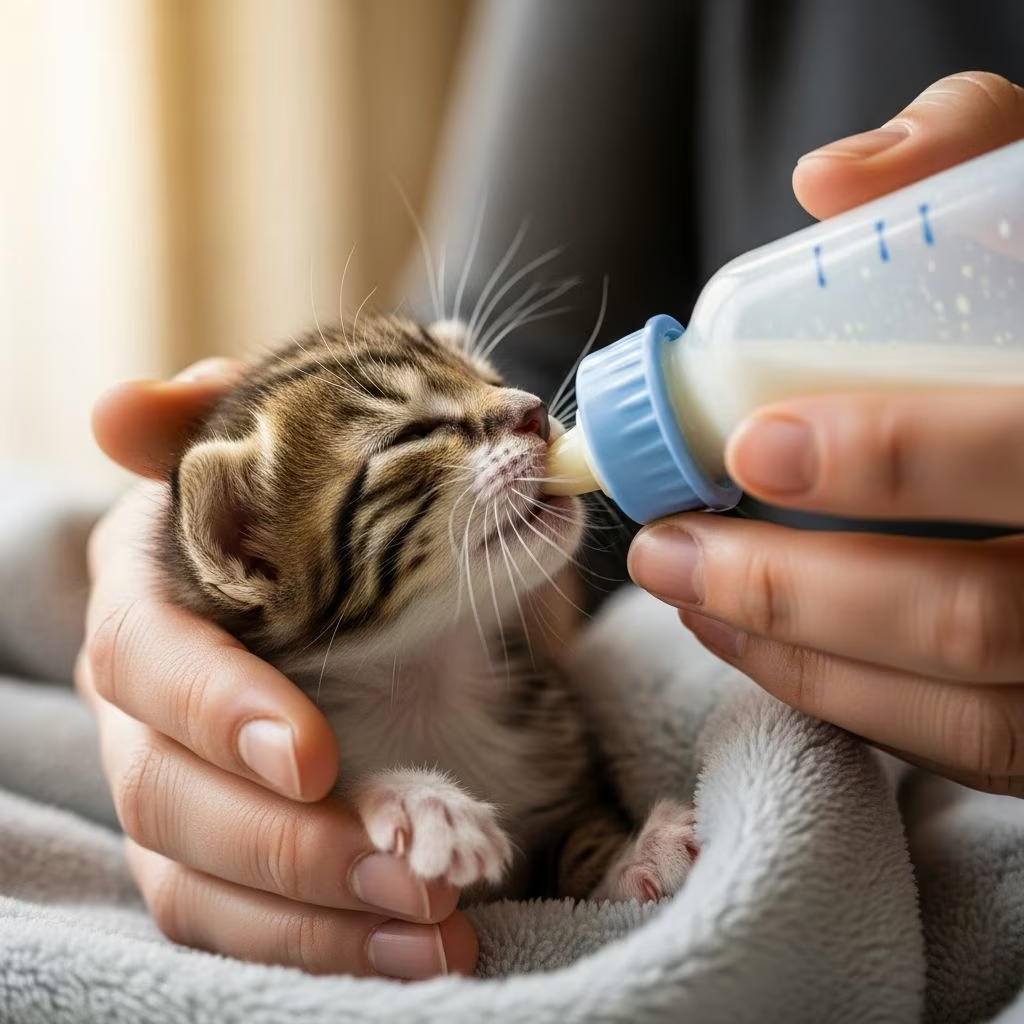
Bottle-Feeding Kittens: A Comprehensive Guide
Bottle-feeding kittens requires knowledge, patience, and dedication to ensure their proper growth and development. Whether you’re caring for orphaned kittens, rejected litters, or those separated from their mother, understanding the fundamentals of bottle-feeding is essential for their survival and well-being. This comprehensive guide covers everything you need to know about bottle-feeding kittens, from creating the ideal environment to managing the transition to solid foods.
Creating the Ideal Environment: Warmth and Bedding
One of the most critical aspects of caring for bottle-fed kittens is maintaining an appropriate environment. Kittens are extremely sensitive to temperature changes, and proper warmth is vital for their health and survival. For their safety and comfort, bottle babies should be kept in a cat carrier when you are not actively feeding or caring for them.
The carrier must be equipped with a heating pad specifically designed and approved for pets, such as a K&H or Snugglesafe pet bed warmer. Wrap the heating pad in two or three layers of towels, with the top layer potentially being a soft fleece blanket instead of a towel. This layering approach ensures that the warmth is distributed evenly and safely. Most importantly, the carrier should be large enough to allow kittens to move away from the heating pad if they become too warm, preventing overheating.
Kittens will require the heating pad until they reach 3 to 4 weeks of age, at which point they can better regulate their body temperature. Room temperature should be maintained between 85-90°F for newborns, gradually decreasing as the kittens age. Never attempt to feed a cold kitten; always ensure they are warm first, as feeding cold kittens can cause serious complications.
Formula Preparation and Temperature Management
Proper formula preparation is fundamental to the health and development of bottle-fed kittens. Always follow the manufacturer’s guidelines when preparing formula, whether using liquid or powdered milk replacer. When reconstituting powdered formula, ensure it is mixed thoroughly with no lumps visible. Prepare only a 24-hour supply at a time, dividing the formula into individual feeding portions and refrigerating until use.
Temperature control during feeding is crucial for kittens’ safety and digestive health. Formula that has been stored in the refrigerator must be warmed to 98 to 102 degrees Fahrenheit before feeding. The proper method involves heating a mug of water and placing the bottle in the mug of heated water. Never heat the bottle in the microwave, as this breaks down essential formula components, including proteins and other vital nutrients.
Before each feeding session, always test the temperature of the formula by placing a few drops on your inner wrist to ensure it is not too hot. The formula should feel warm to the touch but not hot—approximately skin temperature. Additionally, maintain rigorous hygiene practices by washing your hands thoroughly with soap and water before and after feeding the kittens. Bottles and nipples must be cleaned thoroughly before each use to prevent bacterial contamination.
Bottle and Nipple Selection
Choosing the correct bottle and nipple size is essential for successful feeding. The nipple hole size plays a critical role in the feeding process. Once you have made or selected a nipple, test it by placing the nipple on a bottle of formula and turning the bottle upside down. The formula should drip slowly out of the hole.
If the hole is too large, kittens will ingest too much formula too quickly, which can lead to aspiration pneumonia and other digestive problems. If the hole is too small, the kittens will need to work excessively hard to eat and may not consume sufficient amounts of formula needed for proper growth. Before each feeding session, check the nipple to ensure it is wholly intact, not brittle, and missing no pieces.
Nursing bottles are marked with measurements, typically in milliliters (ml) or cubic centimeters (cc), which are equivalent measurements (1 cc equals 1 ml). These markings help you accurately track how much formula you’re feeding each kitten, ensuring consistent nutrition and growth monitoring.
Proper Feeding Technique and Position
The correct feeding position and technique are absolutely vital to prevent serious health complications, particularly aspiration pneumonia, which can be fatal for kittens. Begin each feeding by turning the bottle upside down and allowing a drop of formula to emerge. This ensures the nipple is filled with formula and not air.
Place the bottle nipple in the kitten’s mouth and gently move it back and forth. Hold the bottle at a 45-degree angle to prevent air from getting into the kitten’s stomach. This position mimics natural nursing behavior and allows kittens to feed safely and comfortably. Kittens should be fed while they are on their stomach with their head and neck extended but not tilted too far back. A towel placed underneath can assist in achieving the desired feeding angle.
This gentle movement should encourage the kitten to start eating and latch onto the nipple. If at first you don’t succeed, wait a few minutes and try again. Usually, the kitten will latch on and begin to suckle. When the bottle appears to be collapsing, gently remove the nipple from the kitten’s mouth and let more air return to the bottle to restore proper feeding pressure.
During feeding, watch carefully for milk bubbling from the kitten’s nose, which is a sign that you must stop immediately. Never force-feed milk or water to young kittens, as they do not have a gag reflex and can aspirate fluids. Additionally, avoid squeezing the bottle, as this can cause milk to flood into the kitten’s mouth dangerously. Be patient throughout the process and avoid rushing the kitten.
Feeding Frequency and Amounts
Determining the correct feeding frequency and amount is crucial for healthy kitten development. A kitten should eat approximately 8 milliliters of formula per ounce of body weight per day. Most kittens won’t need to be fed every two hours, though this can serve as a reasonable starting point and will fluctuate based on individual needs.
For the first feeding, you may need to feed a smaller amount than expected to allow the kitten time to adjust to the formula and the bottle-feeding process. Weak, sick, and underweight kittens should usually be fed more frequently and may benefit from smaller, more frequent meals. Most kittens weigh around 100 grams at birth and should gain 10 to 15 grams each day.
When feeding multiple kittens, feed the first kitten until they stop nursing, then begin feeding the next kitten and so on. Once you have fed all the kittens, feed the first kitten again and repeat with all the kittens. Usually one to three nursing turns will suffice. When a kitten stops nursing, they’ve had enough to eat.
Monitor the kitten’s belly after feeding: a well-fed kitten’s belly should be round but not hard and distended. Be aware that exceeding stomach capacity during feedings may put the kitten at risk of aspiration, vomiting, diarrhea, and gas buildup in the stomach. It is better to err on the smaller side and adjust gradually while monitoring growth patterns.
Weigh kittens consistently at the same time every day, twice daily for the first few weeks of life and then daily thereafter. It is recommended that kittens be weighed before feeding, not afterward, to get accurate baseline measurements.
Weaning and Transition to Solid Food
Weaning bottle-fed kittens may begin around 4 weeks of age. This is a gradual process that requires patience and careful monitoring to ensure kittens receive adequate nutrition. The weaning process begins by offering kittens formula on a spoon. Once they are successfully lapping formula off the spoon, try putting some formula in a shallow saucer.
As kittens master lapping up the formula from the saucer, you can gradually add a small amount of high-quality canned kitten food to the formula in the saucer, creating a gruel-like consistency. The recommended gruel composition is two parts Royal Canin Mother and Baby Cat food and one part water, such as one can of Baby Cat food to one-half can of water.
Increase the amount of canned food slowly, adding more food and less formula over a period of 2-3 weeks. Some kittens catch on right away to solid food, while others might take a few days to transition. To ensure the kittens are getting enough food during this transition, you might need to continue bottle-feeding them a few times a day until they are eating well independently.
Around 4 weeks of age, begin introducing formula-soaked kitten kibble or wet food mixed with formula. Gradually decrease the formula consistency as kittens become more comfortable eating solid food. Introduce shallow dishes of water during this period to help kittens learn to drink independently. Continue bottle feeding until they are fully weaned, which typically occurs between 6-8 weeks of age.
Be sure to feed them what they need to feel full, but avoid overfeeding them during this transition period. Monitoring growth and appetite will help you determine when to reduce bottle-feeding frequency and increase solid food portions.
Health Considerations and Developmental Milestones
Understanding kitten developmental milestones helps you track progress and identify potential health issues early. During the first 2-3 weeks of age, kittens require frequent bottle feeding, typically 4-5 times daily until they are full but not bloated. If a kitten is not gaining weight as expected, you may need to adjust feeding amounts or frequency.
Bottle-fed kittens sometimes grow slower than kittens that nurse from their mother, which is an important consideration when evaluating growth rates. This can be problematic in terms of the number and size of feedings given relative to stomach capacity and is more likely to result in gastrointestinal disturbances.
Monitor kittens for signs of aspiration pneumonia, which can occur if formula enters the lungs during feeding. Symptoms include difficulty breathing, rattling sounds during breathing, lethargy, and reduced appetite. Always maintain proper feeding position and technique to minimize this risk.
Pay attention to digestion and elimination patterns. Kittens should have regular bowel movements, and their stools should be appropriately formed. If you notice diarrhea or constipation, adjust feeding amounts or formula consistency as needed and consult a veterinarian if problems persist.
Common Mistakes to Avoid
Several common errors can compromise kitten health and feeding success:
- Feeding kittens vertically or on their backs, which increases aspiration risk
- Using formula that is too hot or too cold
- Squeezing the bottle to force milk into the kitten’s mouth
- Feeding cold kittens before warming them properly
- Microwaving bottles, which destroys nutritional components
- Overfeeding beyond stomach capacity
- Using bottles with nipple holes that are too large or too small
- Failing to maintain proper hygiene when handling bottles and feeding supplies
- Being impatient during the feeding process
Frequently Asked Questions
Q: How much formula should I feed my kitten at each feeding?
A: A kitten should consume approximately 8 milliliters of formula per ounce of body weight per day. Divide this total into multiple feedings based on the kitten’s age. Most kittens won’t need feeding every two hours, though this can serve as a starting point. Always reference feeding charts for specific guidance and adjust based on the individual kitten’s growth and appetite.
Q: How do I know if my kitten is getting enough formula?
A: A well-fed kitten’s belly should be round but not hard and distended after feeding. Weigh kittens daily (twice daily for the first few weeks) before feeding time. Kittens should gain 10-15 grams per day. If a kitten is not gaining weight appropriately, increase feeding amounts or frequency gradually.
Q: What is the best way to warm kitten formula?
A: Never use a microwave to heat formula, as this destroys essential nutrients including proteins. Instead, heat a mug of water and place the bottle in the mug of heated water. Test the temperature on your inner wrist before feeding to ensure it feels warm but not hot, approximately 98-102 degrees Fahrenheit.
Q: When should I start weaning my bottle-fed kitten?
A: Weaning typically begins around 4 weeks of age. Start by offering formula on a spoon, then transition to a saucer. Gradually mix small amounts of canned kitten food with the formula to create a gruel, slowly increasing food and decreasing formula over 2-3 weeks until kittens eat solid food independently.
Q: How can I prevent aspiration pneumonia when bottle-feeding?
A: Always feed kittens on their stomach with the bottle held at a 45-degree angle to prevent air from entering the stomach. Keep the kitten’s head level and never tilted back. Watch for milk bubbling from the nose and stop immediately if this occurs. Never force-feed or squeeze the bottle.
Q: How long should I keep the heating pad on for my bottle-fed kittens?
A: Kittens require a heating pad until they are 3-4 weeks old, at which point they can better regulate their body temperature. The heating pad should be wrapped in multiple layers of towels and placed in a carrier large enough for kittens to move away from it if they become too warm.
Q: What should I do if a kitten refuses to latch onto the bottle?
A: If a kitten doesn’t latch immediately, wait a few minutes and try again. Make sure the kitten is warm before attempting to feed. Ensure the formula temperature is correct and the nipple hole size is appropriate. Gently open the kitten’s mouth with your finger and slip the nipple in. Most kittens will latch on enthusiastically once comfortable with the bottle.
References
- Bottle-Feeding Kittens: A Comprehensive Guide — Best Friends Animal Society. https://bestfriends.org/pet-care-resources/bottle-feeding-kittens-comprehensive-guide
- The Complete Guide to Bottle Feeding Kittens — PetsCare.com. https://www.petscare.com/news/post/guide-bottle-feeding-kittens
- Kitten Bottle Feeding Guide — ASPCApro. https://www.aspcapro.org/sites/default/files/2023-06/aspca-kitten-bottlefeeding-guide.pdf
- Everything You Need to Know About Bottle Feeding a Kitten — PetMD. https://www.petmd.com/cat/general-health/bottle-feeding-a-kitten
- Kitten Bottle Feeding and Stomach Capacity Chart — Maddie’s Fund. https://www.maddiesfund.org/assets/documents/institute/kitten%20bottle%20feeding%20and%20stomach%20capacity%20chart.pdf
- Bottle Baby Care-in-Place Manual — Arizona Humane Society. https://www.azhumane.org/wp-content/uploads/Bottle-Baby-CIP-Manual-1.pdf
- Caring for Kittens from Birth to Eight Weeks — University of Wisconsin Shelter Medicine. https://sheltermedicine.wisc.edu/library/guidebooks/guide-to-raising-unweaned-underage-kittens/caring-for-kittens-from-birth-to-eight-weeks



