

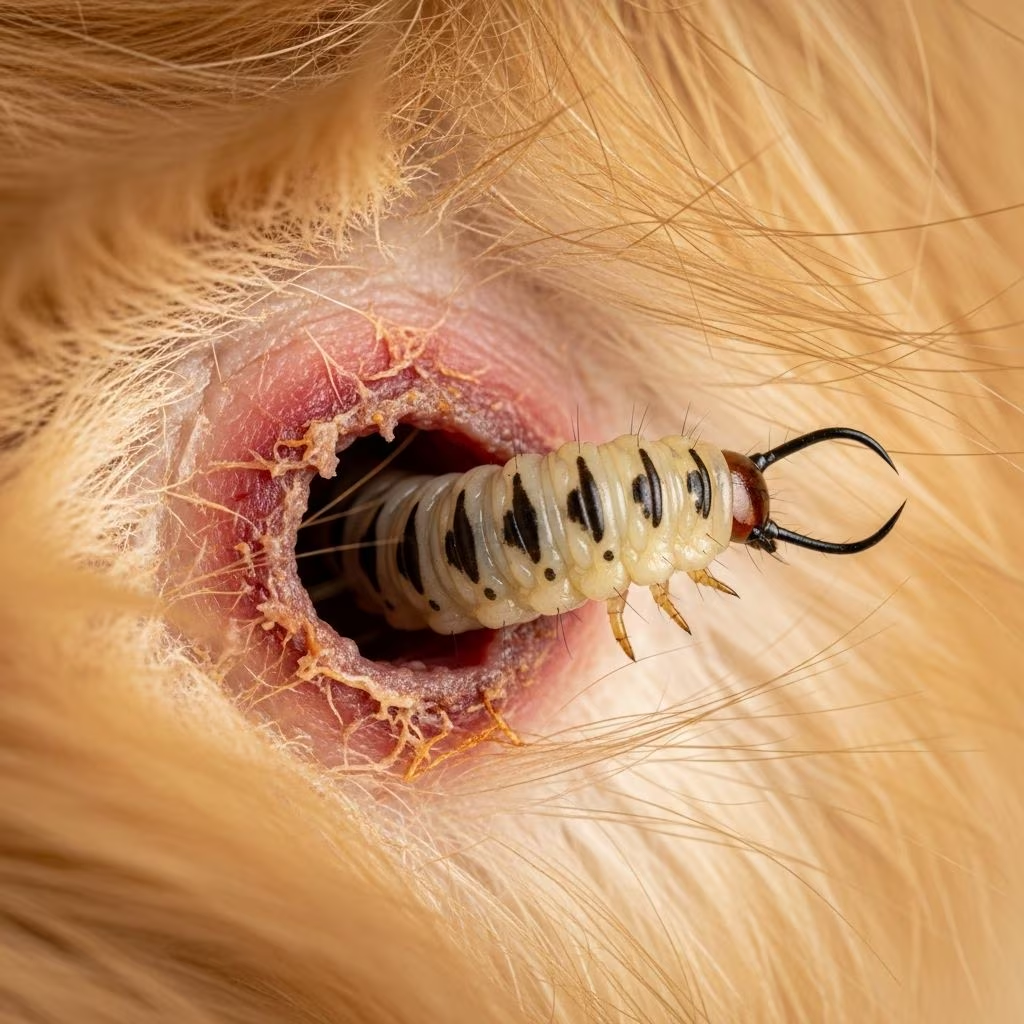
Botfly infestations, known as cuterebriasis or warbles, occur when Cuterebra larvae parasitize dogs. These parasites typically target rodents and rabbits but accidentally infest dogs exploring infested areas. Early detection and veterinary intervention are crucial to prevent complications from skin lesions to severe neurological damage.
What Is a Botfly on a Dog?
A **botfly on a dog** refers to the larval stage of Cuterebra species embedding in the dog’s skin, creating a ‘warble’—a swollen lump with a breathing hole. Unlike true flies laying eggs directly on hosts, botflies deposit eggs near rodent burrows. Eggs hatch upon warmth from a passing dog, and larvae enter via orifices or wounds.
Infestations are rare in dogs but occur seasonally, peaking late summer to fall in temperate regions. Larvae grow inside, feeding on host tissues, eventually exiting to pupate in soil. Dogs rarely suffer fatal outcomes with prompt care, but migration to eyes, respiratory tract, or nervous system demands urgent treatment.
How Do Dogs Get Botflies?
Dogs contract botflies by sniffing or brushing against vegetation near rabbit/rodent habitats where female botflies glue eggs. Larvae emerge and burrow into skin, nostrils, or mouths within hours.
- Common exposure sites: Wooded trails, fields, underbrush during walks.
- Risk factors: Hunting breeds, rural living, unsupervised outdoor time.
- Seasonal peak: July–October in North America.
Prevention focuses on leashing dogs in endemic areas and checking fur post-outings.
Symptoms of Botfly Infestation in Dogs
Symptoms vary by larva location. Superficial skin cases cause noticeable lumps; internal migrations trigger systemic signs.
Skin (Cutaneous) Infestation Symptoms
- A movable, firm lump (0.5–2 inches) with a central breathing hole revealing larva movement or spiracles.
- Swelling, redness, pain; possible pus from secondary bacterial infection.
- Matted fur, scratching/licking at site; lethargy, decreased appetite if severe.
Upper Respiratory Symptoms
- Sneezing, nasal discharge (bloody/pus-filled), facial swelling.
- Coughing, rapid breathing, dyspnea if larvae obstruct airways.
Eye (Ophthalmic) Symptoms
- Conjunctivitis, eyelid swelling, excessive tearing/discharge.
- Inner eye inflammation (uveitis); risk of glaucoma or blindness.
Nervous System Symptoms (Severe)
| Symptom | Description |
|---|---|
| Head pressing/tilt | Pressing head against walls; abnormal posture. |
| Ataxia/circling | Wobbliness, stumbling, walking in circles. |
| Seizures/paralysis | Convulsions, limb weakness; potential blindness. |
| Behavioral changes | Confusion, aggression, fever/hypothermia. |
Neurological signs indicate larval migration to brain/spinal cord, a veterinary emergency with poor prognosis if untreated.
Diagnosis of Botfly in Dogs
Veterinarians diagnose via visual identification of the larva’s breathing hole and movement within the swelling. Confirmation involves:
- Physical exam: Palpating lumps, checking orifices.
- Imaging: X-rays, CT/MRI for internal migration.
- Bloodwork: Detect inflammation, organ involvement.
- Sedation/anesthesia for thorough oral/nasal inspection.
Differential diagnoses include abscesses, tumors, fungal infections.
Treatment: How to Remove Botfly from Dog
Never attempt home removal—squeezing risks anaphylaxis from larval proteins, rupture causing infection spread, or incomplete extraction.
Veterinary protocol:
- Sedation/anesthesia: Local or general for comfort.
- Preparation: Shave/clip fur, disinfect site.
- Extraction: Enlarge breathing hole slightly; use forceps to grasp larva behind head, extract intact.
- Wound care: Flush with saline, debride if needed; apply antibiotics topically/systemically for secondary infections.
- Adjuncts: Antiparasitics (ivermectin for neural cases), steroids (inflammation), diphenhydramine (allergy prevention).
For inoperable neural/ocular larvae, ivermectin halts progression but may not reverse damage.
Recovery and Aftercare for Botfly Removal
Post-removal, most skin cases heal in 1–2 weeks with excellent prognosis.
- Monitor wound: Watch for swelling, discharge, dehiscence—return to vet if noted.
- Prevent self-trauma: Use e-collar; keep clean/dry.
- Medications: Complete full course of antibiotics/anti-inflammatories.
- Follow-up: Re-check in 7–10 days; neural/ocular cases may require weeks–months, with risks of blindness or seizures.
Complications like SIRS or disseminated intravascular coagulation (DIC) are rare but possible in heavy infestations.
Prevention of Botfly Infestations in Dogs
- Avoid high-risk areas: Leash walks in woods/fields; inspect after outdoor time.
- Daily checks: Part fur for lumps/holes, especially head/neck.
- Seasonal vigilance: Peak summer/fall.
- Stable housing: Discourage hunting rodents/rabbits.
- Tick preventives: Some offer incidental fly repellent benefits.
When Is Botfly an Emergency in Dogs?
Seek immediate ER care for:
- Neurological signs (seizures, ataxia, blindness).
- Respiratory distress (coughing, dyspnea).
- Severe swelling/pain, multiple lesions, systemic illness (vomiting, fever).
Mild skin lumps warrant same-day vet visit.
Frequently Asked Questions (FAQs)
Are botflies common in dogs?
No, botfly infestations are rare, mainly accidental from wildlife areas.
Can I remove a botfly larva myself?
No—risks severe complications like anaphylaxis or infection spread. Always see a vet.
How long does recovery take after botfly removal?
Skin cases: 1–2 weeks. Internal: Weeks to months; some permanent damage possible.
What if my dog has neurological symptoms from botfly?
Emergency—larvae in brain/spinal cord can cause seizures, paralysis. Ivermectin used, prognosis guarded.
Can botflies kill dogs?
Rarely, if untreated and migrates to vital organs, but prompt care yields good outcomes.
References
- Botflies (Cuterebriasis) in Dogs – Causes, Treatment and … — Vetster. 2023. https://vetster.com/en/conditions/dog/botflies-cuterebriasis
- Botflies in Dogs (Warble Fly / Wolf Worm / Cuterebra in Dogs) — PetMD. 2024-01-15. https://www.petmd.com/dog/conditions/infectious-parasitic/c_multi_cuterebrosis
- Botfly Dog: How to Identify & Remove Cuterebra — Dutch. 2024. https://www.dutch.com/blogs/dogs/botfly-dog
- Botfly in Dogs: Is It an Emergency? Causes, Symptoms & Next Steps — GSVS. 2023-08-20. https://gsvs.org/blog/botfly-in-dogs-emergency-care/
- Botfly In Dogs — WagWalking. 2024. https://wagwalking.com/condition/botflies-maggots
- Cuterebra Infestation in Small Animals — Merck Veterinary Manual. 2024-05-01. https://www.merckvetmanual.com/integumentary-system/cuterebra-infestation-in-small-animals/cuterebra-infestation-in-small-animals
- Cuterebriasis in Dogs and Cats — Today’s Veterinary Practice. 2023. https://todaysveterinarypractice.com/parasitology/cuterebriasis-in-dogs-and-cats/



