

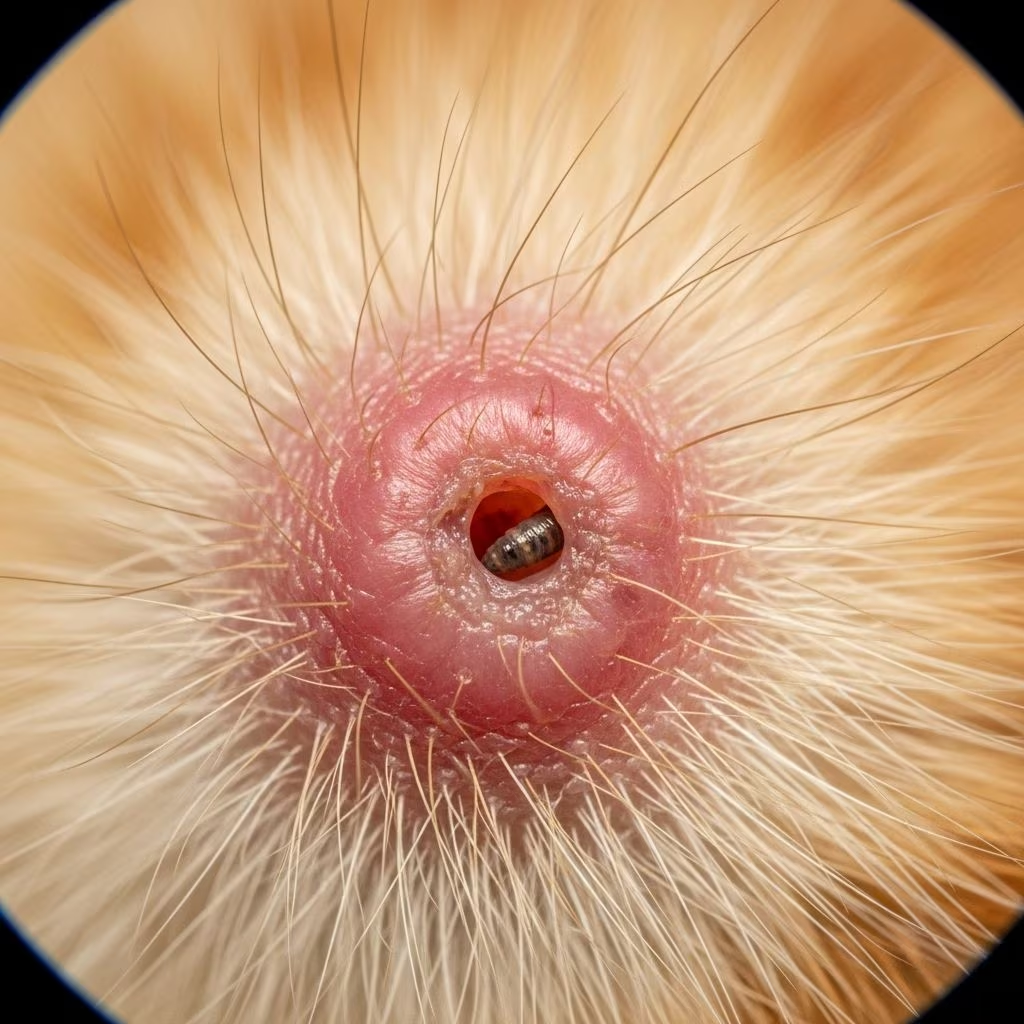
Botfly larvae, often referred to as warbles or Cuterebra, represent a parasitic concern for cats, particularly those with outdoor access. These infestations occur when fly eggs hatch and larvae burrow into the cat’s skin or migrate internally, leading to discomfort and health risks if not addressed promptly.
The Biology Behind Botfly Infestations
Botflies belong to the genus Cuterebra, which target mammals by laying eggs near rodent or rabbit burrows. Cats encounter these eggs while hunting or exploring, as the warmth of their body triggers hatching. The tiny larvae then penetrate the skin, creating a breathing hole called a warble as they grow.
This life cycle relies on intermediate hosts like cats, who inadvertently transport larvae from the egg site. Adult flies emerge in late summer, depositing eggs strategically to ensure larval survival. Understanding this process helps cat owners anticipate seasonal risks, typically peaking from spring through fall.
- Adult botflies seek out animal burrows for egg-laying.
- Larvae hatch upon contact with a warm host like a cat.
- They migrate subcutaneously, feeding on host tissues.
- A characteristic hole forms for the larva to breathe.
Recognizing Early Warning Signs
Symptoms often start subtly but escalate if ignored. Common indicators include sudden sneezing, especially if larvae affect nasal passages, and visible skin swellings resembling abscesses. Cats may exhibit excessive scratching, hair loss around lumps, or open sores that drain fluid, signaling larval activity beneath the surface.
In rarer cases, migrating larvae reach internal sites like the lungs, eyes, or brain, causing severe issues such as respiratory distress, seizures, or vision impairment. These demand immediate veterinary intervention to prevent life-threatening complications.
| Symptom | Description | Severity Level |
|---|---|---|
| Skin lumps/swelling | Firm, movable masses with a central hole | Moderate |
| Itching/scratching | Intense grooming at affected site | Mild to moderate |
| Sneezing/discharge | Frequent nasal irritation | Moderate |
| Neurological signs | Seizures, blindness, breathing issues | Severe/emergency |
Risks and Potential Complications
While most skin-based infestations cause localized irritation, incomplete removal of larvae poses serious dangers. Crushing the larva releases allergens, potentially triggering anaphylaxis—a fatal allergic shock—or chronic infections. Secondary bacterial invasions can form abscesses, prolonging recovery.
Internal migrations heighten risks, with larvae in the central nervous system leading to neurological deficits. Prognosis worsens in these scenarios, sometimes necessitating advanced diagnostics like imaging or bloodwork. Prompt detection minimizes these outcomes, ensuring most cats recover fully.
Professional Diagnosis Methods
Veterinarians diagnose botfly issues through physical exams, focusing on suspicious lumps. A small breathing pore often confirms the presence of a live larva. For suspected internal cases, X-rays, ultrasounds, or blood tests rule out migrations or infections.
Owners should avoid home probing, as it risks larval rupture. Instead, describe symptoms and recent outdoor exposure to guide the vet’s approach.
Safe and Effective Treatment Approaches
Treatment prioritizes intact larval extraction to avert allergic reactions. Vets may sedate the cat, widen the warble opening, and use forceps for removal. Alternatives include suffocating the larva with oil or anesthetic salve, prompting it to emerge.
Post-removal care involves wound cleaning, antibiotics for infections, and anti-inflammatories like steroids or antihistamines to curb reactions. For migratory larvae, antiparasitics such as ivermectin target remaining individuals, dosed carefully off-label.
- Sedation or anesthesia for comfort.
- Precise extraction with tools.
- Wound irrigation and medication.
- Follow-up to monitor healing.
Home remedies are discouraged; squeezing or using unapproved drugs like ivermectin without guidance can harm the cat.
Proven Prevention Strategies for Cat Owners
The gold standard is keeping cats indoors, eliminating burrow exposure where eggs lurk. For outdoor cats, restrict access to rural areas during peak seasons and perform daily skin checks for anomalies.
| Strategy | Effectiveness | Best For |
|---|---|---|
| Indoor living | High (near 100% prevention) | All cats |
| Regular skin inspections | Moderate | Outdoor cats |
| Parasiticide topicals (e.g., fipronil) | Moderate (anecdotal evidence) | Outdoor roamers |
| Avoid burrows | High | Hunting cats |
Broad-spectrum preventives like selamectin or imidacloprid may kill early larvae, though not specifically labeled for botflies. Year-round flea/tick protocols enhance overall protection. Clean environments and routine deworming further reduce risks.
Seasonal and Geographic Considerations
Infestations surge in warmer months across North America, especially rural or wooded regions with rodent populations. Indoor cats face negligible risk, while feral or free-roaming felines encounter higher odds. Climate change may extend seasons, prompting vigilant monitoring.
FAQs: Common Questions About Botfly in Cats
Are botfly infestations common in cats?
They occur regularly in outdoor cats, particularly in endemic areas, but indoor pets rarely experience them.
Can I remove the larva myself?
No—professional removal prevents severe reactions from larval rupture.
What if my cat shows neurological symptoms?
Seek emergency care, as larvae may have migrated internally, risking seizures or worse.
Do flea preventives work against botflies?
Some topicals offer partial protection by targeting early larvae, but they’re not guaranteed.
Is recovery guaranteed after treatment?
Most cases have excellent outcomes with timely intervention; severe migrations carry guarded prognoses.
Long-Term Care After Infestation
Post-treatment, monitor for reinfection or secondary issues like scarring. Maintain hygiene, continue preventives, and schedule check-ups. Educating on burrow avoidance empowers owners to safeguard their cats year-round.
References
- Bot Fly Infestation in Cats — Brooker Ridge Animal Hospital. 2023. https://vetsnewmarket.com/bot-fly-infestation-in-cats/
- Botflies (Cuterebriasis) in Cats — Vetster. 2024. https://vetster.com/en/conditions/cat/botflies-cuterebriasis
- Botfly Infestation: How to Handle Warbles in Cats — PetMD. 2024-05-15. https://www.petmd.com/cat/parasites/botfly-infestation-how-handle-warbles-cats
- Bot Fly in Cats: Causes, Symptoms, and Treatment — Cats.com. 2023. https://cats.com/bot-fly-in-cats
- Cuterebriasis in Dogs and Cats — Today’s Veterinary Practice. 2022. https://todaysveterinarypractice.com/parasitology/cuterebriasis-in-dogs-and-cats/
- Cuterebriasis — Companion Animal Parasite Council. 2024. https://capcvet.org/guidelines/cuterebriasis/



