

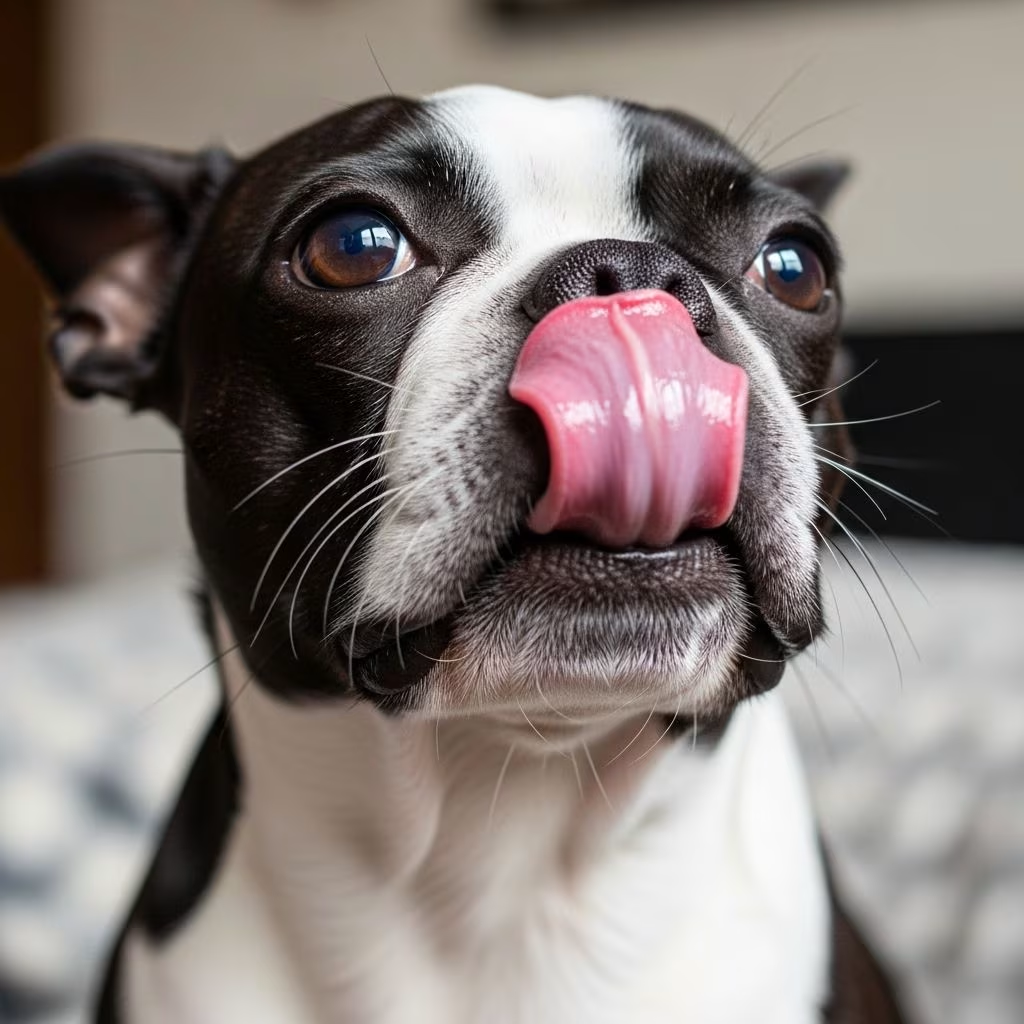
Boston Terriers often display frequent licking behaviors toward their owners, objects, or themselves, which can stem from natural instincts, emotional needs, or underlying health concerns. Understanding these patterns helps owners foster a healthier environment for their pets.
Instinctual Roots of Licking in Boston Terriers
From their early days, Boston Terriers inherit licking tendencies reminiscent of puppyhood interactions. Young pups instinctively lick their mother’s face to signal hunger or stimulate regurgitation of food, a survival mechanism passed down from wild ancestors. This behavior persists into adulthood as a way to bond with human family members, treating owners as parental figures.
In domestic settings, this translates to affectionate face-licking, reinforcing emotional connections. Boston Terriers, known for their people-oriented nature, amplify this trait, making it a hallmark of the breed.
Licking as a Form of Canine Communication
Boston Terriers use licking to convey a range of emotions and needs. It serves as a non-verbal signal for excitement, such as when greeting owners after absence or anticipating playtime. Conversely, it can indicate discomfort, like an empty water bowl or mild distress from illness.
Observing context is key: enthusiastic licks during reunions suggest joy, while persistent licking paired with whining might highlight unmet needs. This communicative tool helps these expressive dogs navigate their social world effectively.
Signs of Submission and Respect
Within pack dynamics, licking demonstrates deference to a perceived leader. Boston Terriers may lick owners’ hands, arms, or faces to acknowledge authority, mirroring juvenile behaviors toward dominant pack members. This submissive gesture strengthens the human-dog hierarchy, promoting harmonious coexistence.
For owners, recognizing this prevents misinterpretation as mere playfulness, allowing reinforcement of positive leadership through consistent training.
Boredom and Attention-Seeking Triggers
A common driver of excessive licking is understimulation. Boston Terriers, being energetic and intelligent, resort to licking when lacking mental or physical outlets. Prolonged inactivity leads to attention bids via face-licking or paw-nibbling, especially if walks or toys are scarce.
Addressing this involves enriching their routine with puzzle toys, training sessions, or outdoor adventures to channel energy productively and reduce compulsive habits.
Unintentional Reinforcement by Owners
Owners unwittingly encourage licking by responding, even negatively. Any attention—praise, scolding, or pushing away—rewards the behavior, perpetuating the cycle. Positive reinforcement techniques, like ignoring licks and rewarding calm sitting, help redirect focus.
- Ignore unwanted licking to extinguish the behavior.
- Reward alternative actions, such as ‘sit’ or ‘stay’, with treats.
- Maintain consistency across household members for best results.
Medical Causes Behind Persistent Licking
While behavioral factors dominate, excessive licking warrants checking for health issues. Skin allergies to pollen, food, or fleas cause itchy paws or flanks, prompting self-soothing licks. Infections from bacteria, yeast, or parasites similarly irritate, leading to focused licking on affected areas.
Gastrointestinal upset, including nausea or reflux, affects up to 60% of dogs with compulsive licking, per veterinary studies. Pain from arthritis or injuries also triggers endorphin-releasing licks on sore spots.
| Potential Medical Issue | Symptoms Alongside Licking | Recommended Action |
|---|---|---|
| Allergies | Redness, itching, hair loss | Vet exam, allergy testing |
| Skin Infections | Hot spots, odor, swelling | Skin scrapes, medications |
| GI Problems | Vomiting, drooling, appetite loss | Diagnostic tests, diet change |
| Pain/Arthritis | Limping, reluctance to move | Pain relief trial, X-rays |
Breed-Specific Considerations for Boston Terriers
Boston Terriers’ brachycephalic structure predisposes them to oral sensitivities, amplifying licking if dental issues arise. Their smooth coats make skin conditions more noticeable, and high energy levels heighten boredom risks. Regular grooming and dental checks mitigate these vulnerabilities.
Strategies to Manage and Reduce Licking
Proactive management combines environmental adjustments and training:
- Increase Enrichment: Rotate toys, introduce scent games, and schedule daily exercise.
- Training Protocols: Use commands like ‘enough’ followed by redirection to appropriate chew items.
- Health Monitoring: Track licking frequency, duration, and targets in a journal to spot patterns.
- Calming Aids: Consider pheromone diffusers or vet-approved supplements for anxiety.
For severe cases, consult certified trainers or behaviorists alongside veterinary evaluations.
When to Consult a Veterinarian
Seek professional help if licking disrupts daily life, accompanies symptoms like lethargy, weight loss, or skin changes, or persists despite behavioral interventions. Early detection prevents escalation, ensuring your Boston Terrier’s comfort.
Frequently Asked Questions
Is excessive licking always a problem in Boston Terriers?
Moderate licking is normal, but obsession causing skin damage or stress signals an issue needing attention.
Can diet influence my dog’s licking habits?
Yes, food allergies or GI irritants in diet can trigger licking; hypoallergenic foods may help post-vet diagnosis.
How do I stop my Boston Terrier from licking guests?
Train with leashes during visits, reward non-licking behavior, and provide distractions like long-lasting chews.
Does neutering affect licking behavior?
It may reduce hormone-driven actions but won’t eliminate behavioral or medical causes.
Are there toys specifically good for lick-prone dogs?
Lick mats with spreads or frozen Kongs redirect the urge productively.
Long-Term Wellness for Your Boston Terrier
Fostering a balanced lifestyle—encompassing exercise, nutrition, and mental stimulation—minimizes unwanted licking. Routine vet visits catch issues early, while positive training builds mutual respect. With patience, owners can transform this quirky habit into a manageable trait, enhancing the joy of Boston Terrier companionship.
References
- Why Do Boston Terriers Lick So Much? 5 Likely Reasons — Dogster. 2023-10-15. https://www.dogster.com/dog-health-care/why-do-boston-terriers-lick-so-much
- 12 Reasons Dogs Lick Excessively and When to be Concerned — Pets Best. 2024-05-22. https://www.petsbest.com/blog/12-reasons-dogs-lick-excessively
- Is It Normal? Why Dogs Engage in Excessive Licking Constantly — Riverbend Pet. 2025-02-10. https://www.riverbendpet.com/reasons-dogs-excessive-licking/



