

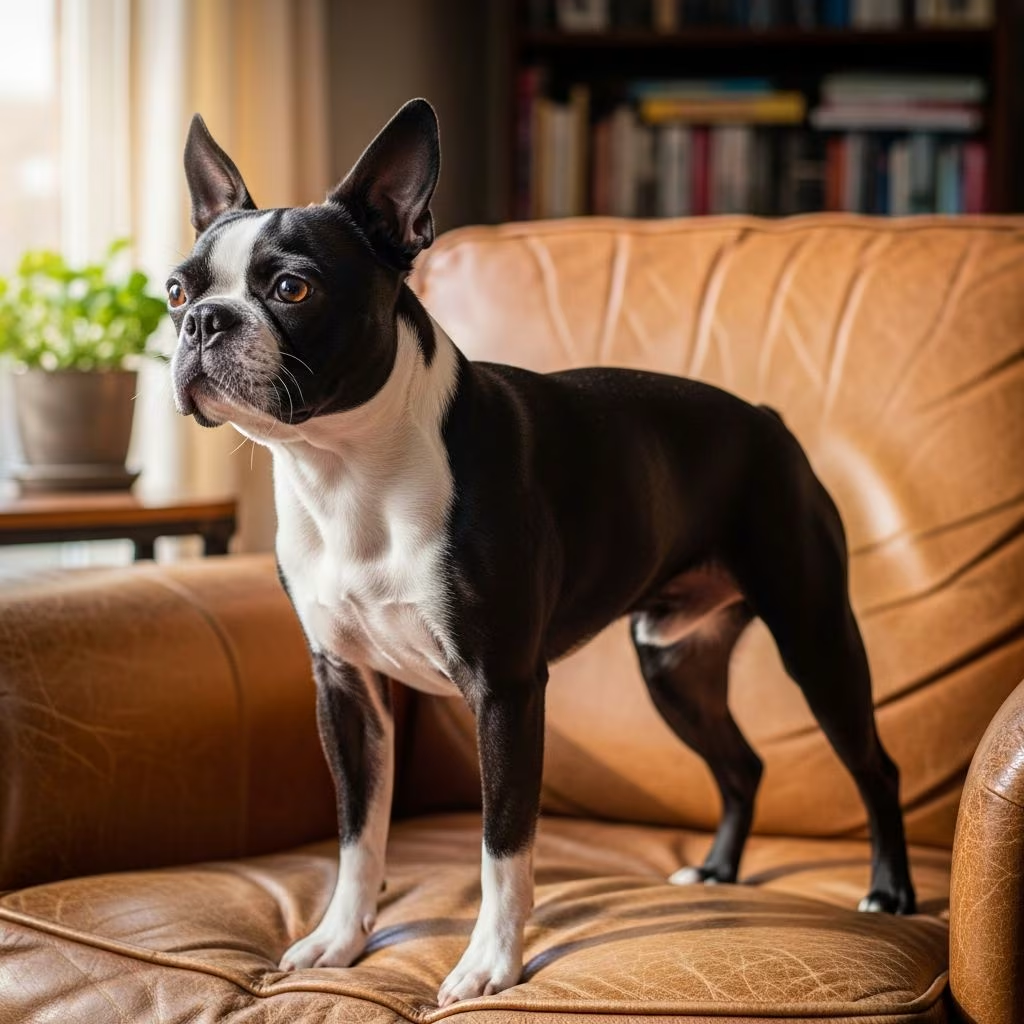
The Boston Terrier stands out as a quintessential American breed, celebrated for its elegant appearance, spirited demeanor, and unwavering devotion to family. Originating in the United States during the late 19th century, this compact canine has evolved from utilitarian roots into a beloved household companion known affectionately as the “American Gentleman.”
Roots and Evolution of the Breed
The story of the Boston Terrier begins in mid-19th century Massachusetts, where breeders sought to create a versatile dog suited to urban life. Around 1870, Robert Hooper acquired a dog named Judge from William O’Brien, marking the pivotal moment in the breed’s lineage. Judge, a cross between an English Bulldog and a now-extinct White English Terrier, carried a sturdy build leaning toward the bulldog type, weighing significantly more than modern specimens.
Initial breeding efforts focused on refining this foundation stock. Edward Burnett’s involvement in Southborough, Massachusetts, further shaped the breed through crosses like Burnett’s Gyp, a diminutive white bulldog, with Hooper’s Judge. These unions produced offspring that blended bulldog solidity with terrier agility, though early dogs varied widely in size and form.
By the 1880s, the dogs gained traction in Boston’s Beacon Hill, where coachmen with livestock breeding experience refined them. Infusions from French Bulldogs and other bull-and-terrier types helped standardize the look. The American Bull Terrier Club formed in 1889 with 75 dogs traceable to three generations, laying the groundwork for recognition. In 1891, the Boston Terrier Club of America emerged, prompting the American Kennel Club (AKC) to admit the breed in 1893 after verifying its consistency.
Early 20th-century debates centered on aesthetics: breeders settled on black, seal (a reddish-black sheen), or brindle coats with mandatory white markings—a muzzle band, blaze between the eyes, and forechest. This tuxedo-like pattern, combined with a smaller stature and gentler expression featuring full eyes and a curved skull, distinguished Bostons from relatives like French Bulldogs. Popularity soared; between 1905 and 1935, they ranked as the top or second-most popular U.S. breed, aligning perfectly with Art Deco aesthetics of bold lines and symmetry.
Physical Attributes and Breed Standards
Boston Terriers embody a balanced, compact physique. The AKC classifies them as non-sporting Group 7 dogs: lively, intelligent, smooth-coated, short-headed, short-tailed, and well-proportioned. Ideal weight caps at 25 pounds, divided into classes under 15 pounds, 15-23 pounds, and 23-25 pounds for show purposes.
Key features include a square jaw, deep chest, straight back, and high-set ears that may need cropping or taping in some lines, though natural erect ears are preferred. Their short muzzle, while endearing, contributes to brachycephalic traits. Coat is fine and glossy, requiring minimal grooming—a weekly brush and occasional bath suffice.
| Feature | Description | Ideal Measurement |
|---|---|---|
| Height | Compact, square-proportioned | 14-17 inches at shoulder |
| Weight | Lightweight classes | Under 25 lbs max |
| Coat Colors | Black/seal/brindle + white | Tuxedo markings required |
| Head | Short, curved skull | Full, round eyes |
These standards ensure the breed’s dapper charm, with a body that is “clean-cut and short-backed,” evoking sophistication in a small package.
Temperament and Behavioral Traits
Boston Terriers are quintessential companion dogs: highly people-oriented, playful, energetic, and quick learners. Their clownish antics and expressive faces endear them to owners, though a stubborn streak inherited from terrier ancestry demands patient training.
They thrive on human interaction, making excellent family pets but can suffer separation anxiety if left alone excessively. Socialization from puppyhood curbs dog-aggressiveness, a remnant of fighting forebears, though most prefer human company and get along with children and other pets.
- Playful Energy: Moderate exercise needs—two 20-minute walks daily plus indoor play.
- Intelligence: Eager to please, excels in obedience and tricks.
- Affectionate: Velcros to family members, gentle with kids.
- Watchful: Alerts to strangers without excessive barking.
Modern Bostons have shed aggressive traits through selective breeding, prioritizing sweetness and sociability.
Essential Health and Wellness Considerations
As brachycephalic dogs, Boston Terriers face breed-specific vulnerabilities. Common issues include respiratory distress from narrow airways, eye problems like cataracts or ulcers due to prominent eyes, and patellar luxation in hind legs. Heart conditions such as mitral valve disease and allergies also occur frequently.
Obesity exacerbates breathing woes; maintain lean weight via portion control. Dental hygiene is crucial given crowded teeth—daily brushing prevents periodontal disease. Lifespan averages 11-13 years with vigilant care.
- Regular vet checkups for brachycephalic obstructive airway syndrome (BOAS).
- Screen for hip dysplasia, though less common than in larger breeds.
- Monitor skin folds for infections in humid climates.
Pet insurance can offset costs for hereditary conditions, emphasizing proactive wellness.
Nutrition and Daily Feeding Guidelines
Fuel your Boston with high-quality, small-breed formulas rich in protein (25-30%) and moderate fat. Puppies need three meals daily until six months, transitioning to twice-daily for adults. Caloric intake: 400-600 per day for a 20-pound dog, adjusted for activity.
Avoid overfeeding to prevent weight gain, which strains joints and respiration. Fresh water always available; elevated bowls aid short muzzles.
| Life Stage | Daily Calories | Key Nutrients |
|---|---|---|
| Puppy (2-12 months) | 400-800 | High protein, DHA for brain |
| Adult | 400-600 | Balanced fiber for digestion |
| Senior | 300-500 | Joint supplements (glucosamine) |
Supplements like omega-3s support coat and joints; consult vets before adding.
Grooming Routines for Optimal Shine
Low-maintenance coats shed minimally year-round. Weekly brushing with a rubber curry removes loose hair; monthly baths with gentle shampoo preserve skin oils. Trim nails biweekly, clean ears weekly to prevent infections, and brush teeth daily.
In shedding seasons, use a chamois cloth for polish. Their short tails rarely mat, but check for irritation.
Training Strategies for Success
Leverage their smarts with positive reinforcement: treats, praise, and short sessions (10-15 minutes). Start basics—sit, stay, come—early. Crate training aids housebreaking; they’re clean by nature.
Socialize via puppy classes to build confidence. Stubbornness yields to consistency; use clicker training for tricks like spinning or waving.
Exercise and Lifestyle Fit
Bostons suit apartments due to size but need mental stimulation. Daily walks, fetch, or puzzle toys suffice; avoid extreme heat/cold given poor thermoregulation. Interactive play bonds family.
Ideal for active singles, families, or seniors who match their moderate energy.
Choosing and Welcoming Your Boston Terrier
Select from reputable breeders screening for health (OFA certifications) or ethical rescues. Prepare with puppy-proofing, quality supplies, and commitment to training. Early vet visit for vaccines, spay/neuter discussion.
Puppy integration: Establish routines, provide safe toys, and gradual alone time.
Frequently Asked Questions
Are Boston Terriers good with children?
Yes, their gentle, patient nature makes them excellent with supervised kids.
Do they bark a lot?
Moderately; they alert but train easily to quiet commands.
Can they tolerate hot weather?
No—short muzzles impair cooling; prefer mild climates with AC.
How much exercise do they need?
30-60 minutes daily, split into walks and play.
What’s their average lifespan?
11-13 years with proper care.
Why Boston Terriers Capture Hearts
From gritty origins to polished companions, Boston Terriers offer loyalty, laughter, and style. Their journey reflects human innovation in breeding for temperament over utility, resulting in dogs that enhance modern life profoundly.
References
- History of the Breed — Southern Boston Terrier Club. Accessed 2026. https://www.southernbostonterrierclub.org.uk/history-of-the-breed/
- BU and the Boston Terrier — Boston University Alumni. 2023-05-12. https://www.bu.edu/alumni/2023/05/12/blog-bu-boston-terrier-history-dog-traits/
- Boston Terrier History — American Kennel Club. Accessed 2026. https://www.akc.org/expert-advice/dog-breeds/boston-terrier-history/
- Boston Terrier — Dogs Australia. Accessed 2026. https://dogsaustralia.org.au/BrowseBreed/browse-a-breed/192/Boston-Terrier/
- BOSTON TERRIER HISTORY DEEPDIVE — YouTube (Video Transcript). Accessed 2026. https://www.youtube.com/watch?v=cD0jDaes6ds
- Boston Terrier — Wikipedia (for background; primary sources cited). Accessed 2026. https://en.wikipedia.org/wiki/Boston_Terrier



