

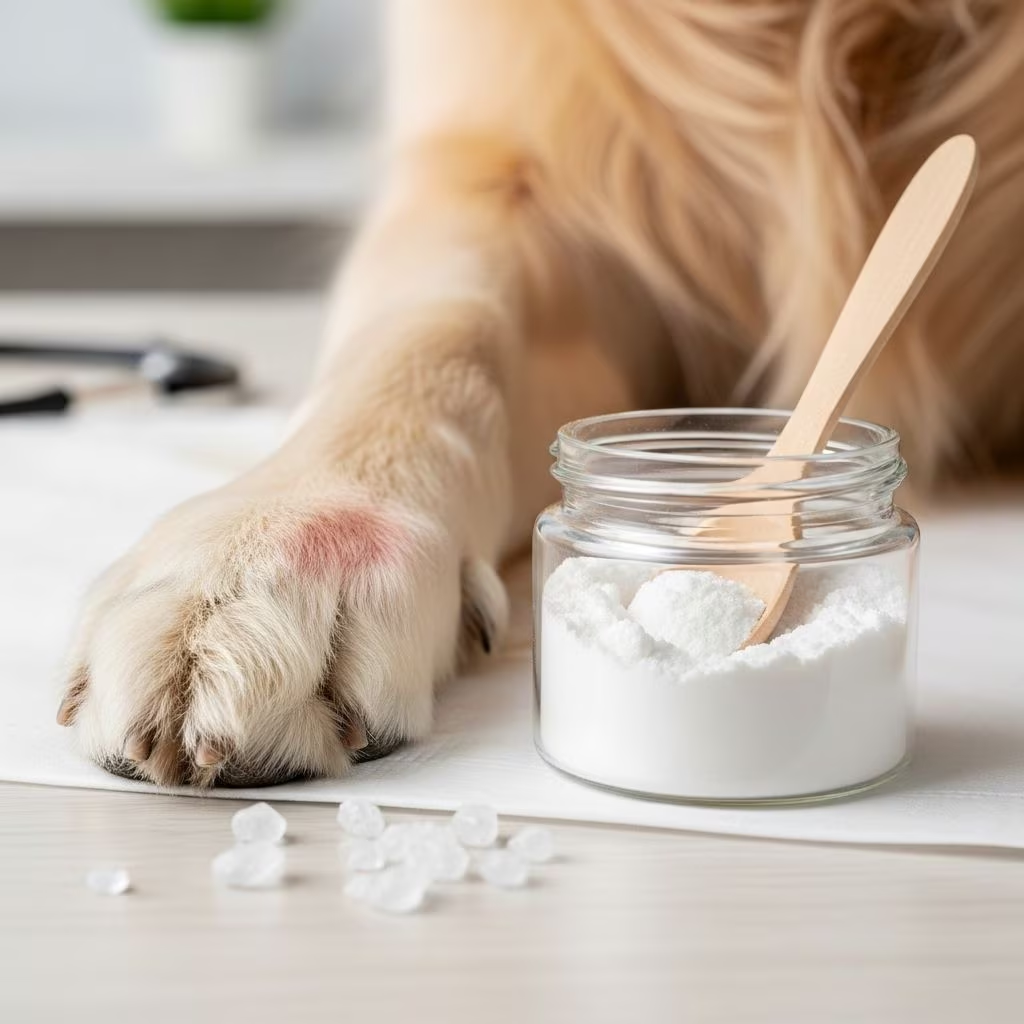
Dog allergies often manifest as persistent itching, red skin, and secondary infections, but incorporating boric acid into a multimodal treatment plan can help control fungal overgrowth that exacerbates these issues. This approach, when combined with prescription medications and lifestyle adjustments, offers comprehensive relief.
Understanding Canine Allergic Reactions
Allergies in dogs typically stem from environmental triggers like pollen, dust mites, or food sensitivities, leading to atopic dermatitis characterized by intense pruritus and inflamed skin. Unlike humans, dogs express allergies primarily through dermatological symptoms, prompting excessive scratching that can cause wounds and yeast or bacterial infections.
Recognizing signs early is crucial: look for seasonal flare-ups, paw licking, ear infections, or gastrointestinal upset. Veterinary diagnosis often involves skin scrapings, blood tests, or intradermal testing to pinpoint allergens, ensuring targeted therapy.
The Role of Boric Acid in Allergy Management
Boric acid serves as an antifungal and antibacterial agent, particularly useful against Malassezia yeast overgrowth common in allergic dogs’ moist skin folds. Diluted solutions create an inhospitable environment for pathogens without harsh chemicals, reducing secondary infections that worsen itching.
- Antifungal Properties: Boric acid disrupts fungal cell walls, curbing overgrowth in paws, ears, and armpits.
- Skin Soothing: Its mild astringent effect dries weepy lesions, promoting healing.
- Safe Topical Use: When properly diluted (1-2% solution), it’s non-toxic for external application.
Always consult a vet before use, as improper concentrations can irritate sensitive skin. Boric acid complements rather than replaces core treatments.
Prescription Medications: The Foundation of Treatment
Modern veterinary care relies on targeted drugs for rapid itch control. Apoquel (oclacitinib) inhibits itch signals within hours, ideal for long-term management under supervision. Cytopoint injections neutralize itch-causing proteins, lasting up to eight weeks.
| Treatment | Mechanism | Duration | Best For |
|---|---|---|---|
| Apoquel | Blocks JAK enzymes | Daily tablet | Chronic itching |
| Cytopoint | Antibody injection | 4-8 weeks | Environmental allergies |
| Atopica (cyclosporine) | Immune modulator | Oral daily | Atopic dermatitis |
| Prednisone | Steroid anti-inflammatory | Short-term | Acute flare-ups |
Corticosteroids like prednisone provide quick relief but risk side effects with prolonged use, making them a bridge to safer options.
Holistic and Supportive Therapies
Integrating natural methods strengthens conventional treatments. Hypoallergenic diets rich in omega-3 fatty acids support skin barrier function, while probiotics balance gut health linked to allergies.
- Medicated Shampoos: Combine with boric acid for weekly baths to remove allergens and control yeast.
- Acupuncture: Stimulates circulation, reducing inflammation in chronic cases.
- Essential Oils: Diluted tea tree or lavender offer antimicrobial synergy with boric acid rinses.
Antihistamines like Benadryl provide mild relief but are less effective alone in dogs.
Step-by-Step Guide to Using Boric Acid Safely
- Consult Vet: Confirm no open wounds or boric sensitivity.
- Prepare Solution: Mix 1 tsp boric acid powder in 1 pint distilled water; shake well.
- Apply: Spray or wipe affected areas daily, avoiding eyes/mouth.
- Rinse Option: For paws, soak 5 minutes then dry thoroughly.
- Monitor: Discontinue if irritation occurs; pair with antifungals if needed.
This routine pairs effectively with Cytopoint for sustained results.
Immunotherapy: Long-Term Desensitization
Allergen-specific immunotherapy (ASIT) reprograms the immune system via customized injections or drops, achieving remission in 60-80% of cases after 6-12 months. It’s most effective post-allergy testing, often combined with boric acid for infection prevention.
Preventive Strategies for Allergy-Prone Dogs
Minimize exposure with HEPA filters, frequent laundering, and flea preventives. Regular grooming traps allergens, and hypoallergenic bedding reduces dust mites.
- Wipe paws post-walks with boric solution.
- Maintain ideal weight to lessen skin folds.
- Feed novel protein diets if food allergies suspected.
Potential Risks and When to Seek Help
Boric acid is safe topically but toxic if ingested in quantity; store securely. Watch for worsening symptoms signaling infections needing antibiotics. Severe cases may require dermatologist referral.
FAQs
Can boric acid cure dog allergies?
No, it manages secondary infections; pair with meds like Apoquel for itch control.
How often should I use boric acid rinses?
Daily for active issues, tapering to 2-3 times weekly for maintenance.
Is boric acid safe for puppies?
Use vet-approved dilutions; avoid in very young pups.
What if my dog licks boric acid solution?
Rinse mouth; small amounts are non-toxic, but prevent access.
Does insurance cover allergy treatments?
Many pet plans cover meds like Cytopoint; check policy.
Case Studies: Real-World Success
Dogs with pollen allergies saw 70% itch reduction using boric rinses plus ASIT. Another with yeast dermatitis improved via Apoquel and weekly shampoos.
References
- Best medications to manage allergy symptoms in dogs — Vetster. 2023. https://vetster.com/en/wellness/best-medications-to-manage-allergy-symptoms-in-dogs
- Holistic Treatments for Dogs with Allergies: Types and When To Use — PetMD. 2023. https://www.petmd.com/dog/general-health/holistic-treatments-for-dogs-with-allergies
- Dog Allergies & Treatments — Animal Clinic of Billings. 2023. https://www.animalclinicofbillings.com/services/animal-allergies-and-skin-problems/dog-allergies/
- What Is the Best Allergy Medicine for Dogs? — GoodRx. 2023. https://www.goodrx.com/pet-health/dog/best-allergy-medicine-for-dogs
- Effective Treatments for Dogs with Allergic Dermatitis — Berkeley Dog & Cat Hospital. 2022-11-15. https://www.berkeleydogandcat.com/site/blog/2022/11/15/allergic-dermatitis-dog-treatment
- Pets, Dog and Cat Allergies — ACAAI. 2023. https://acaai.org/allergies/allergic-conditions/pet-allergies/



