

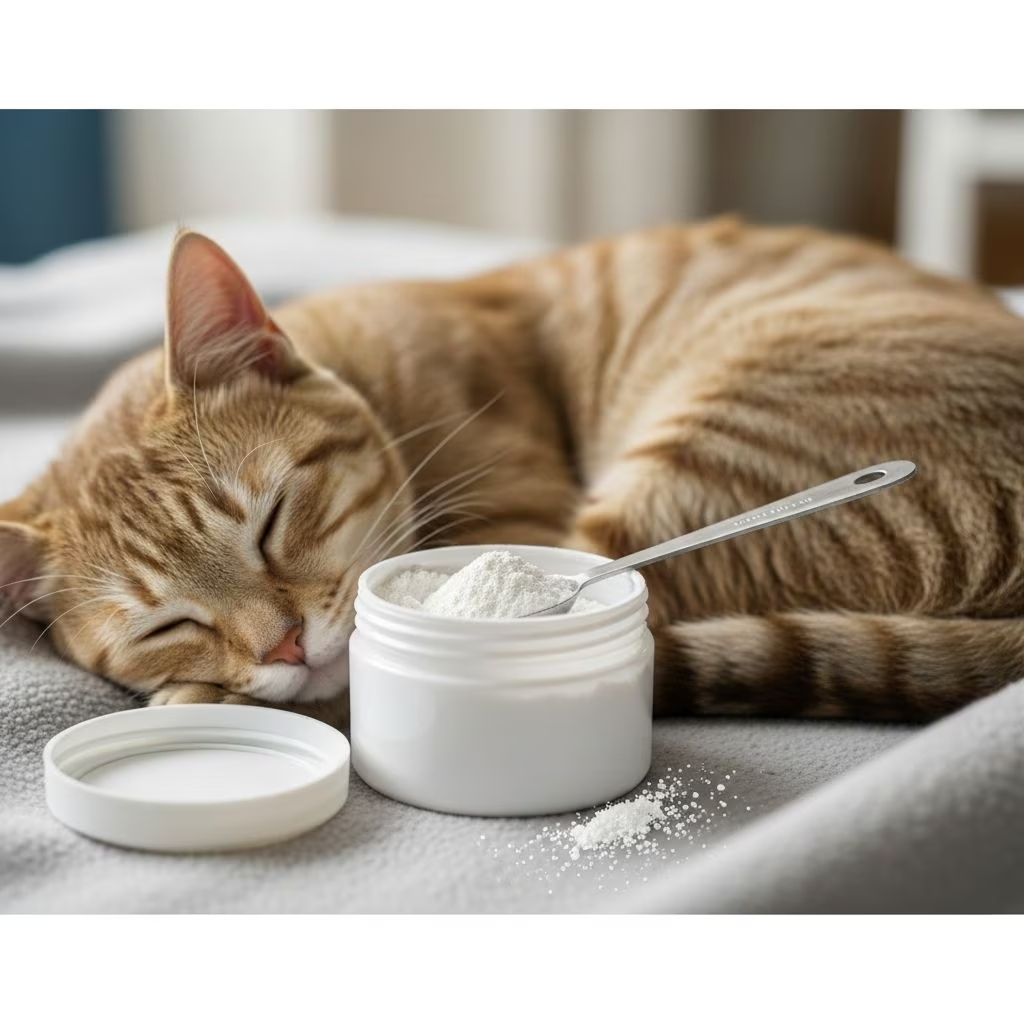
Fleas pose a significant challenge for cat owners, rapidly infesting homes and causing discomfort to pets. Boric acid, a naturally occurring compound, offers a safe and potent method to eliminate these pests in living spaces without direct application on cats. This guide details its mechanism, proper usage, precautions, and integration with contemporary veterinary options.
Understanding the Flea Life Cycle and Why Environmental Control Matters
Fleas undergo complete metamorphosis: eggs, larvae, pupae, and adults. Adult fleas represent only 5% of the population, with the rest hiding in carpets, furniture, and bedding. Disruptive environmental treatments target all stages, preventing reinfestation. Boric acid excels here by dehydrating immature fleas, making it ideal for cat households where pet-safe solutions are essential.
- Eggs: Tiny, white, and sticky; easily dislodged into surroundings.
- Larvae: Feed on organic debris; sensitive to desiccants like boric acid.
- Pupae: Cocooned and resilient; emerge as adults when hosts are detected.
- Adults: Blood-feeding; live on pets but lay eggs elsewhere.
How Boric Acid Targets Fleas Effectively
Boric acid (H3BO3) is a weak acid derived from boron minerals. When fleas ingest or contact it, it abrades their exoskeletons and disrupts digestion, leading to dehydration and death within hours to days. Unlike chemical sprays, it remains active for months, continuously eliminating emerging fleas.
| Flea Stage | Boric Acid Effect | Time to Impact |
|---|---|---|
| Larvae | Ingestion causes gut damage | 24-48 hours |
| Adults | Exoskeleton abrasion | 12-72 hours |
| Eggs/Pupae | Indirect via larvae kill | Days to weeks |
Studies confirm desiccants like boric acid reduce flea populations by over 90% in treated areas, complementing pet treatments.
Safe Application Methods in Cat Homes
Prepare by vacuuming thoroughly to expose flea habitats. Use 100% pure, pharmaceutical-grade boric acid powder (not ant baits with additives). Apply lightly—about 1-2 pounds per 400 sq ft—to carpets, rugs, pet bedding, and cracks.
- Vacuum daily for 3-5 days pre-application to remove eggs.
- Sprinkle boric acid evenly; use a sieve or duster for uniform distribution.
- Work into fibers with a broom; avoid heavy piles.
- Leave undisturbed for 48 hours minimum, ideally 7-14 days.
- Vacuum again to remove residue and dead fleas.
For upholstery, lightly dust and brush in. Repeat monthly during peak flea seasons (spring/summer).
Essential Safety Guidelines for Cats and Families
Boric acid has low mammalian toxicity (LD50 >2,500 mg/kg orally in rats, far higher than for insects). However, prevention is key:
- Keep cats away from treated areas until vacuumed.
- Do not apply directly to pets—use vet-approved topicals/orals instead.
- Store powder securely; ingestion of large amounts can cause vomiting.
- Wash hands after handling; ventilate during application.
- Avoid food surfaces, eyes, and open wounds.
Cats with kidney issues or kittens under 12 weeks require extra caution—consult a vet. When used as directed, risks are minimal compared to pyrethrin sprays toxic to felines.
Enhancing Results: Combining with Pet Treatments
Environmental control alone fails without pet protection. Pair boric acid with modern isoxazoline-based products for 98-100% efficacy.
Recent research shows topical fluralaner provides 100% flea kill for 84 days in infested cats. Lotilaner oral doses achieve 100% elimination within 24 hours, maintaining 98.6% for 35 days. Selamectin + sarolaner topicals yield 99.4-99.8% reductions over 90 days, also alleviating flea allergy dermatitis.
| Product | Active Ingredients | Duration | Flea Reduction |
|---|---|---|---|
| Bravecto Plus | Fluralaner + moxidectin | 3 months | >99% |
| Revolution Plus | Selamectin + sarolaner | 1 month | 99.5-99.9% |
| NexGard Spectra (adapted for cats) | Systemic actives | 1 month | High efficacy |
These outperform older fipronil options (74.5% at 12 weeks). Always select cat-specific formulas—dog products can be fatal.
Pros and Cons of Boric Acid vs. Commercial Alternatives
Boric acid shines for cost-effectiveness ($10-20 per treatment covers 2,000 sq ft) and longevity. Drawbacks include labor-intensive application and no direct pet kill.
- Advantages: Non-toxic to humans/pets, odorless, no resistance buildup, eco-friendly.
- Disadvantages: Visible powder residue, slow on heavy infestations, not for wet areas.
Compare to collars like Seresto (8 months flea control but limited spectrum) or orals like Capstar (rapid adult kill, short-term). Integrated pest management—boric acid + pet meds + washing—yields best outcomes.
Real-World Success Stories and Common Mistakes
Owners report 80-95% flea reduction within 2 weeks when combining methods. Mistakes include over-application (clumping), skipping vacuuming, or ignoring pet treatment. One case: a multi-cat home saw complete clearance after boric acid in all rooms plus monthly Revolution Plus.
Troubleshooting Persistent Flea Problems
If fleas persist:
- Check yards—treat with nematodes or cedar mulch.
- Launder all fabrics in hot water.
- Inspect wild animals nearby.
- Reapply boric acid; test with flea comb.
For severe cases, professional heat treatment kills all stages instantly.
Frequently Asked Questions (FAQs)
Is boric acid safe around kittens?
Yes, if cats are excluded during treatment and areas vacuumed well. Use pet-safe topicals for kittens.
Can I use boric acid on cat bedding?
Yes, apply lightly, let sit 48 hours, then wash bedding hot.
How long until I see results?
Noticeable drop in 7-10 days; full control in 4 weeks with consistent use.
Does it kill tick eggs too?
Primarily fleas; pair with tick preventives like Bravecto.
What if my cat licks treated areas?
Small amounts are safe, but prevent access and vacuum thoroughly.
Long-Term Flea Prevention Strategies
Maintain year-round pet meds, monthly vacuums, and quarterly boric acid refreshes. Monitor with flea combs. Educate on flea allergy dermatitis signs: itching, hair loss, scabs.
References
- Recent Advancements in the Control of Cat Fleas — PMC/NIH. 2020-10-15. https://pmc.ncbi.nlm.nih.gov/articles/PMC7600267/
- Cat Flea, Worm & Tick Treatment Comparison — Walkerville Vet. 2023-01-01. https://www.walkervillevet.com.au/pet-care-advice/cats/flea-and-worm-protection-for-cats/
- Vet Guide 2025: Flea & Tick Control Products for Cats — Ask A Vet. 2025-01-01. https://askavet.com/blogs/news/vet-guide-2025-flea-tick-control-products-for-cats-complete-comparison-chart-%F0%9F%90%B1%F0%9F%9B%A1%EF%B8%8F
- The Best Flea Treatments for Dogs and Cats — GoodRx. 2024-06-12. https://www.goodrx.com/pet-health/pets/best-flea-medication



