

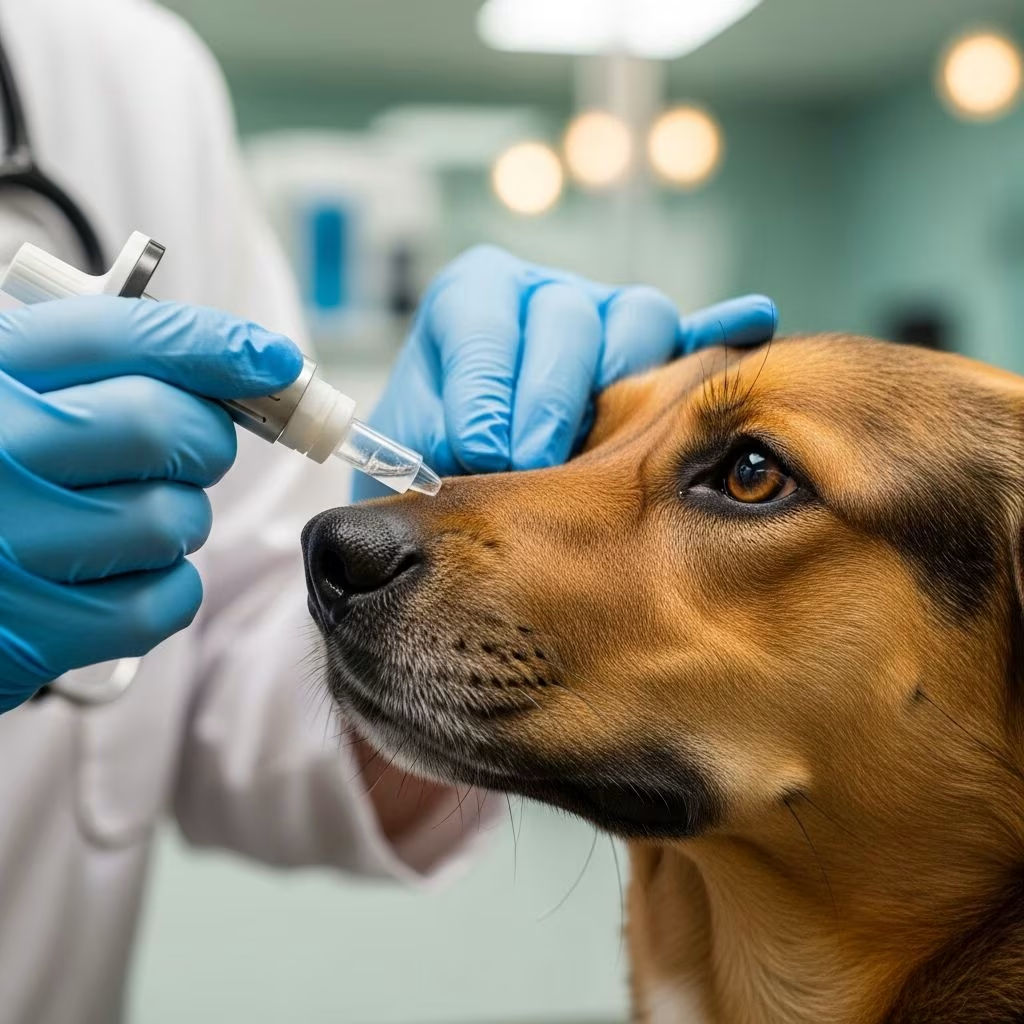
The **Bordetella vaccine** is a vital preventive measure designed to protect dogs from kennel cough, a highly contagious respiratory disease primarily caused by Bordetella bronchiseptica bacteria. This non-core vaccine is especially recommended for dogs frequently exposed to other canines in settings like boarding facilities, dog parks, grooming salons, or training classes. While not mandatory by law, many such facilities require proof of vaccination to safeguard all dogs.
Kennel cough, also known as canine infectious respiratory disease complex (CIRDC), presents with a harsh, hacking cough that sounds like a goose honk, often accompanied by sneezing, nasal discharge, lethargy, and mild fever. Though usually mild and self-limiting, it can lead to severe complications like pneumonia in puppies, senior dogs, or those with compromised immune systems. The vaccine stimulates the dog’s immune system to produce antibodies against the bacteria, reducing the severity and spread of infection even if exposure occurs.
What Is Kennel Cough and Why Vaccinate?
Kennel cough is not caused by a single pathogen but often involves a combination of bacteria like Bordetella bronchiseptica and viruses such as canine parainfluenza, adenovirus, or even canine influenza. The bacteria adhere to the respiratory tract lining, causing inflammation and excessive mucus production, making dogs highly contagious through airborne droplets from coughing or sneezing.
Vaccination is crucial because unvaccinated dogs can spread the disease rapidly in group settings. Studies and veterinary guidelines emphasize that while no vaccine offers 100% protection against all strains, vaccinated dogs experience milder symptoms and shorter recovery times. The American Animal Hospital Association (AAHA) classifies Bordetella as a non-core vaccine, meaning it’s tailored to lifestyle risk factors rather than universally required like rabies or distemper vaccines. Dogs with low exposure, such as those living solo without daycare visits, may not need it, but social dogs benefit immensely.
Types of Bordetella Vaccines
There are three primary administration methods for the Bordetella vaccine: intranasal, oral, and injectable. Each has unique advantages, onset times, and suitability based on the dog’s age, health, and exposure needs. Veterinarians select the best option after assessing individual factors.
Intranasal Vaccine
The most common type, the intranasal vaccine uses a live attenuated (weakened) form of the bacteria delivered via nasal drops or spray. Brands like Nobivac® Intra-Trac®3 (Merck Animal Health) target the upper respiratory tract directly where the infection occurs.
- Rapid onset: Immunity develops within **48 hours**, ideal for imminent boarding.
- Early use: Safe for puppies as young as 3 weeks; maternal antibodies don’t interfere.
- Local immunity: Strengthens mucosal defenses in the nose and throat.
- No needles: Pain-free administration.
Combination intranasal vaccines may also protect against parainfluenza. Mild side effects like sneezing or nasal discharge can occur for 1-3 days as the immune system responds.
Oral Vaccine
Administered as 1 mL of palatable liquid into the cheek pouch, oral vaccines like Nobivac® Intra-Trac®3 ORAL (Merck) or Vanguard® B Oral (Zoetis) offer similar benefits to intranasal without nasal irritation.
- Quick protection: Effective within 48 hours.
- Easy for vets: No special equipment needed; dogs often accept the taste.
- Suitable for sensitive noses: Avoids nasal administration issues.
Like intranasal, it’s a live vaccine providing localized immunity with minimal discomfort.
Injectable Vaccine
This subcutaneous injection uses killed bacteria, making it safer for dogs prone to respiratory reactions. It’s given under the skin, often at wellness visits.
- Precise dosing: Ensures full amount is received.
- No respiratory side effects: Eliminates sneezing/coughing risks from live vaccines.
Disadvantages: Requires two initial doses 2-4 weeks apart for first-timers; full protection takes 7 days post-booster. Minimum age is 8 weeks. Annual boosters follow.
| Vaccine Type | Onset of Immunity | Initial Doses | Min Age | Best For |
|---|---|---|---|---|
| Intranasal | 48 hours | 1 | 3 weeks | High-risk, rapid needs |
| Oral | 48 hours | 1 | 3-4 weeks | Nasal-sensitive dogs |
| Injectable | 7 days post-booster | 2 (2-4 wks apart) | 8 weeks | Low-reaction preference |
This comparison highlights why intranasal/oral are preferred for urgent protection.
Bordetella Vaccination Schedule
Schedules vary by age, risk, and vaccine type. Puppies start at 6-8 weeks, with boosters every 3-4 weeks until 16-20 weeks, then annually.
- Puppies: First dose at 6-8 weeks; booster 2-4 weeks later. Intranasal can begin earlier.
- Adults: Annual boosters for high-risk dogs (e.g., boarding, parks). Some vets recommend every 6 months in outbreak-prone areas.
- Low-risk dogs: May extend to every 1-2 years per vet guidance.
Facilities often require vaccination within 6-12 months. Always check titer tests if unsure of immunity status.
Side Effects and Risks
Bordetella vaccines are safe, with rare serious reactions. Common effects include:
- Intranasal/oral: Mild sneezing, cough, or discharge (1-3 days).
- Injectable: Injection site swelling, redness, or lethargy.
- Rare: Allergic reactions (facial swelling, hives, vomiting)—seek emergency care.
Pregnant/lactating dogs: Consult vet, as risks are unclear. Benefits outweigh risks for at-risk dogs.
Is Bordetella Vaccine Necessary for All Dogs?
No, it’s risk-based. Essential for social dogs; optional for homebodies. Facilities mandate it to prevent outbreaks. Even vaccinated dogs can get milder cases, acting as carriers, so vaccination protects the pack.
Frequently Asked Questions (FAQs)
Q: How long does Bordetella vaccine last?
A: Typically 1 year, but high-risk dogs may need 6-month boosters. Duration varies by individual immunity.
Q: Can puppies get Bordetella vaccine?
A: Yes, intranasal from 3 weeks; others from 6-8 weeks.
Q: Does Bordetella vaccine prevent all kennel cough?
A: No, it targets Bordetella but not all viruses; reduces severity.
Q: Is Bordetella vaccine required by law?
A: No, but often by boarding/groomers.
Q: What if my dog has side effects?
A: Monitor mild ones; contact vet for severe symptoms.
Consult your veterinarian for personalized advice to ensure your dog’s optimal protection.
References
- Bordetella Vaccine: The Ultimate Guide For Dog Owners — Kingsdale Animal Hospital. 2023. https://www.kingsdale.com/bordetella-vaccine-the-ultimate-guide-for-dog-owners
- Bordetella Vaccine for Dogs — PetMD. 2024-10-15. https://www.petmd.com/dog/general-health/bordetella-vaccine-for-dogs
- Understanding the Bordetella Vaccine for Dogs — Fairview Veterinary Clinic. 2024. https://fairviewveterinaryclinic.com/pet-parasite-control-in-albemarle-nc/understanding-the-bordetella-vaccine-for-dogs-protecting-your-pet-from-kennel-cough/
- Updated Bordetella Vaccination Policy — Brook Falls Veterinary. 2023-05-01. https://brookfallsveterinary.com/blog/updated-bordetella-vaccination-policy-at-brook-falls/
- Kennel Cough and the Importance of the Bordetella Vaccine — Mullins Veterinary Hospital. 2024. https://mullinsveterinaryhospital.com/kennel-cough-and-the-importance-of-the-bordetella-vaccine/
- Bordetella Vaccine Dogs Guide — Texas Companion Animal Project (TCAP). 2024. https://texasforthem.org/bordetella-vaccine-dogs-guide/
- Championing Bordetella Education — American Animal Hospital Association (AAHA). 2019-06-01. https://www.aaha.org/wp-content/uploads/globalassets/02-guidelines/canine-life-stage-2019/championingbordetellaeducation.pdf



