

Understanding Kennel Cough and the Bordetella Vaccine
Kennel cough, also known as canine infectious respiratory disease complex (CIRD), is a highly contagious respiratory infection that affects dogs of all ages and breeds. This common airway infection spreads rapidly from dog to dog, particularly in environments where multiple dogs gather such as boarding facilities, dog parks, grooming salons, and doggy daycares. The condition is caused by several bacteria and viruses, with Bordetella bronchiseptica and canine parainfluenza virus being the most common culprits. While kennel cough is typically not life-threatening in healthy adult dogs, it can be uncomfortable and may lead to serious complications in puppies, senior dogs, and those with weakened immune systems.
The Bordetella vaccine is one of the most effective preventive measures available to protect your dog from this bothersome condition. This vaccine specifically targets the Bordetella bronchiseptica bacteria, one of the primary causes of kennel cough, and is often combined with protection against canine parainfluenza virus. Understanding how this vaccine works, who needs it, and what to expect can help you make informed decisions about your dog’s health and wellness.
What Is Kennel Cough?
Kennel cough is an upper respiratory tract infection characterized by inflammation of the trachea and bronchi. The infection typically presents with a distinctive dry, hacking cough that can sound like the dog is retching or trying to clear something from their throat. Dogs with kennel cough may also experience sneezing, eye discharge, and a runny nose. The incubation period for kennel cough ranges from two to 14 days, meaning symptoms may not appear immediately after exposure.
Most cases of kennel cough are mild, and affected dogs may continue eating and playing normally despite the persistent cough. However, in more severe infections, dogs may develop a fever, show disinterest in food, appear lethargic, and have difficulty breathing. Unvaccinated dogs, puppies, elderly dogs, and those with compromised immune systems are at higher risk for developing severe symptoms or secondary infections like pneumonia.
How Does the Bordetella Vaccine Work?
The Bordetella vaccine works by introducing your dog’s immune system to the Bordetella bronchiseptica bacteria in a safe, controlled manner. This exposure allows the immune system to develop antibodies and immune memory cells that recognize and fight off the actual bacteria if your dog is exposed to it in the future. When a vaccinated dog encounters the Bordetella bacteria, their immune system can quickly mount a defense, preventing or significantly reducing the severity of infection.
It’s important to understand that the Bordetella vaccine may not completely prevent kennel cough in all cases, but it substantially reduces the likelihood of infection and typically results in milder symptoms if breakthrough infection occurs. The vaccine’s effectiveness varies among individual dogs and may depend on factors such as the dog’s age, overall health status, and immune system function. Vaccination is particularly important for dogs that are frequently exposed to other dogs or those that will be boarded, as these situations create ideal conditions for the rapid spread of respiratory infections.
Types of Bordetella Vaccine Available
The Bordetella vaccine comes in three different forms, allowing veterinarians to choose the most appropriate option for each dog’s individual needs and circumstances. Each type has distinct advantages and considerations:
Injection
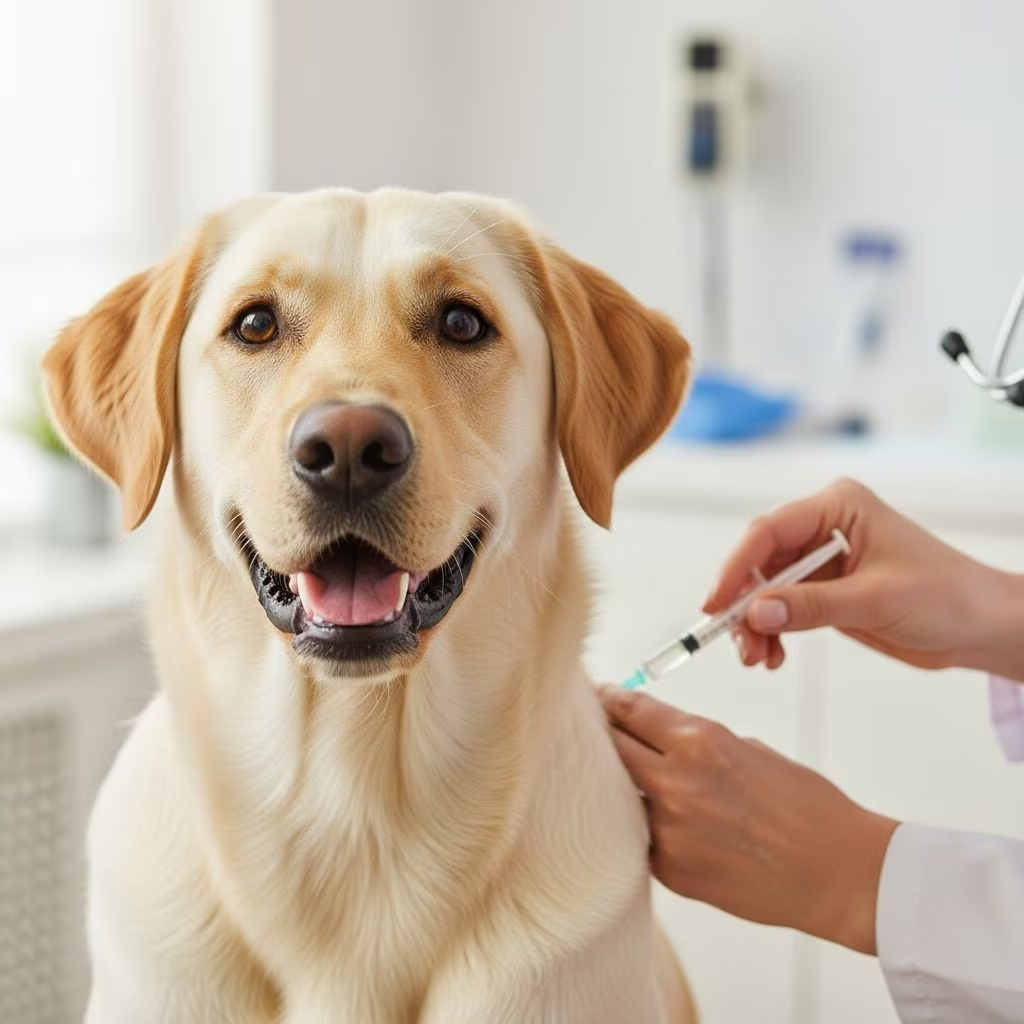
The injectable form of the Bordetella vaccine is administered intramuscularly or subcutaneously and is one of the most common types used in veterinary clinics. This form typically requires an initial series of vaccinations followed by booster shots to maintain immunity. The injectable vaccine provides systemic immunity by stimulating the dog’s immune system throughout the body.
Nasal Mist
The nasal mist vaccine is administered directly into the dog’s nasal passages and creates local immunity at the site where Bordetella bacteria typically establish infection. Many veterinarians prefer this form because it mimics the natural route of infection and can provide faster onset of immunity compared to injectable vaccines. The nasal mist typically requires fewer doses to achieve full protection.
Oral Medication
The oral form of the Bordetella vaccine is administered by mouth, making it convenient for dogs that may be anxious about injections or nasal administration. This form stimulates immune responses in the respiratory tract and digestive system.
Who Needs the Bordetella Vaccine?
The decision to vaccinate your dog against Bordetella should be based on your individual dog’s lifestyle and risk factors. Dogs that are frequently exposed to other dogs are excellent candidates for this vaccine, including:
- Dogs that attend doggy daycare regularly
- Dogs that are boarded at kennels or pet facilities
- Dogs that participate in dog shows, competitions, or training classes
- Dogs that visit dog parks frequently
- Dogs that are groomed at professional grooming facilities
- Puppies in multi-dog households
- Dogs living in shelters or rescue facilities
In contrast, dogs with a low-risk lifestyle that spend most of their time at home with minimal exposure to other dogs may not require the Bordetella vaccine, though your veterinarian can help assess individual risk. Puppies are typically good candidates for this vaccine because they have developing immune systems and are often exposed to multiple dogs during socialization, training, and veterinary visits.
Vaccination Schedule and Booster Requirements
The Bordetella vaccination schedule varies depending on the type of vaccine used and your dog’s age and prior vaccination history. Generally, puppies can receive their first Bordetella vaccine at eight weeks of age, with subsequent doses administered at specific intervals. Your veterinarian will establish the appropriate vaccination schedule for your individual dog.
For most dogs, the Bordetella vaccine requires a booster shot annually or every two to three years to maintain immunity, depending on the specific vaccine formulation and your dog’s risk level. Dogs with high exposure to other dogs may benefit from more frequent booster vaccinations. Before boarding, many facilities require proof of recent Bordetella vaccination, typically within the past 12 months. Your veterinarian will provide specific recommendations based on your dog’s individual circumstances and the requirements of any facilities your dog may visit.
Potential Side Effects and Safety Considerations
Like all vaccines, the Bordetella vaccine can cause side effects in some dogs, though serious reactions are relatively uncommon. Most side effects are mild and temporary, resolving within 24 to 48 hours. Common side effects may include:
- Mild lethargy or decreased activity
- Slight loss of appetite
- Mild soreness at the injection site (for injectable vaccines)
- Slight swelling at the injection site
- Mild sneezing (for nasal mist vaccines)
Serious adverse reactions are rare but can include allergic reactions, which may present as facial swelling, difficulty breathing, or collapse. If your dog experiences any concerning symptoms following vaccination, contact your veterinarian immediately. Certain dogs should not receive the Bordetella vaccine, including those with known allergies to vaccine components, dogs currently experiencing respiratory illness, or those with severely compromised immune systems. Your veterinarian will review your dog’s medical history and current health status to ensure the vaccine is safe and appropriate.
Treatment of Kennel Cough When Prevention Fails
Despite vaccination, some dogs may still develop kennel cough, particularly with different strains or causative agents. If your dog develops symptoms of kennel cough, treatment depends on the severity of infection. Most healthy adult dogs recover naturally within 10 to 14 days without specific treatment, similar to how humans recover from a common cold. However, your veterinarian may recommend supportive care measures to make your dog more comfortable during recovery.
For dogs with more severe symptoms, your veterinarian may prescribe cough suppressants to reduce the persistent cough and allow better sleep and rest. Antibiotics may be recommended if there are signs of secondary bacterial infection or if your dog shows severe symptoms such as green-yellow nasal discharge, lethargy, or decreased appetite. Supportive care during recovery includes maintaining a clean, well-ventilated environment, using a humidifier to keep airways moist, providing plenty of fresh water, limiting strenuous activity, and using a harness instead of a collar during walks to avoid pressure on the trachea.
Benefits of Bordetella Vaccination
Vaccinating your dog against Bordetella offers several important benefits. Primary among these is the reduction in risk of developing kennel cough, particularly in dogs with frequent exposure to other dogs. Even when vaccinated dogs do contract kennel cough, their symptoms are typically milder and shorter in duration compared to unvaccinated dogs. This means less discomfort for your dog and potentially lower veterinary expenses for treatment.
The vaccine also helps protect the broader dog community by reducing the spread of Bordetella bacteria. This is particularly important in shelters, rescue facilities, and boarding kennels where multiple dogs live in close proximity. Additionally, vaccination may be required or strongly recommended by boarding facilities, groomers, and doggy daycares, making it a practical necessity for dogs that use these services.
Frequently Asked Questions About the Bordetella Vaccine
Q: Is the Bordetella vaccine safe for all dogs?
A: The Bordetella vaccine is safe for most dogs; however, dogs with certain health conditions or known allergies to vaccine components should not receive it. Always discuss your dog’s individual health status with your veterinarian before vaccination.
Q: How often does my dog need a Bordetella booster?
A: Most dogs require a Bordetella booster annually or every two to three years, depending on the vaccine type used and your dog’s risk level. Your veterinarian will recommend an appropriate schedule for your individual dog.
Q: Can the Bordetella vaccine give my dog kennel cough?
A: No, the Bordetella vaccine cannot give your dog kennel cough. The vaccine contains either inactivated (killed) bacteria or a weakened form that cannot cause disease.
Q: Does my indoor dog need the Bordetella vaccine?
A: Dogs with minimal exposure to other dogs may not need the Bordetella vaccine, but vaccination is recommended for dogs that visit groomers, trainers, dog parks, or any facility where they interact with other dogs. Discuss your dog’s specific risk factors with your veterinarian.
Q: What should I do if my vaccinated dog develops kennel cough?
A: Contact your veterinarian. While vaccinated dogs typically experience milder symptoms, your veterinarian may recommend supportive care or medications to help your dog recover comfortably.
Q: Are there any breed-specific considerations for the Bordetella vaccine?
A: No specific breed restrictions apply to the Bordetella vaccine; however, brachycephalic breeds (those with flat faces) may be more prone to respiratory complications from kennel cough, making vaccination particularly important for these breeds.
Making the Right Decision for Your Dog
Deciding whether to vaccinate your dog against Bordetella is a personal decision that should be made in consultation with your veterinarian. Consider your dog’s lifestyle, frequency of exposure to other dogs, planned use of boarding or grooming facilities, and overall health status. Your veterinarian can assess your individual dog’s risk factors and make personalized recommendations for optimal health protection.
The Bordetella vaccine is an important tool in preventing one of the most common respiratory infections in dogs. By understanding how the vaccine works, recognizing which dogs benefit most from vaccination, and knowing what to expect, you can make informed decisions that keep your beloved pet healthy and protected from kennel cough.
References
- Kennel Cough in Dogs: Symptoms, Causes, and Treatment — PetMD. 2024. https://www.petmd.com/dog/conditions/respiratory/kennel-cough-dogs-what-are-symptoms-and-how-kennel-cough-treated
- What Is Kennel Cough in Dogs? Symptoms, Treatment, & Prevention — All Bay Animal Hospital. 2024-02-15. https://www.allbayanimalhospital.com/site/blog/2024/02/15/kennel-cough-dogs
- Kennel Cough in Dogs: Symptoms, Treatments, Vaccine — Best Friends Animal Society. https://bestfriends.org/pet-care-resources/kennel-cough-dogs-symptoms-treatments-vaccine
- Kennel Cough in Dogs — Blue Cross. https://www.bluecross.org.uk/advice/dog/health-and-injuries/kennel-cough



