
Border Disease: 6 Key Signs, Diagnosis, And Control
Understanding the congenital viral infection affecting global livestock populations
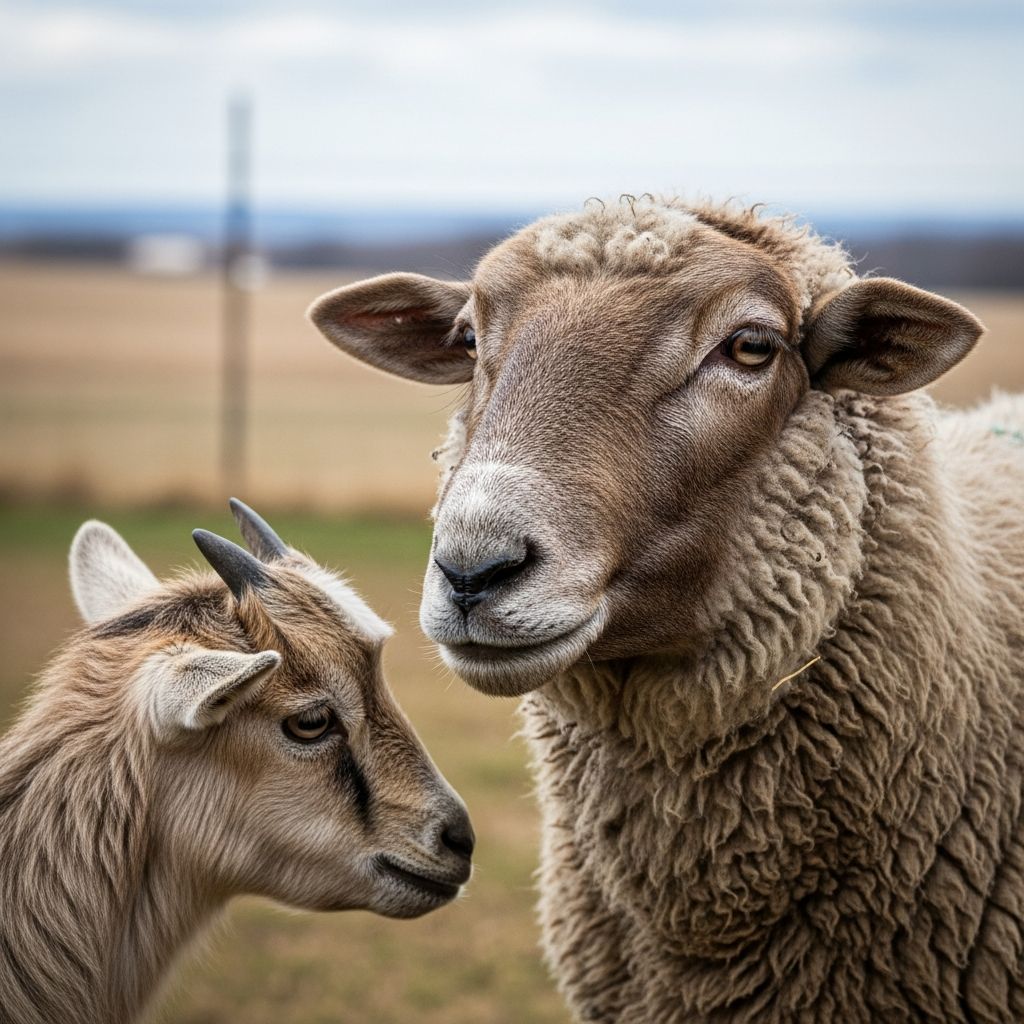
Border disease represents one of the most economically consequential viral infections affecting sheep and goat populations across the globe. This pestivirus-induced condition emerged as a recognized disease entity in 1959 within the border regions of England and Wales, though its presence has since been documented throughout virtually every major sheep-rearing territory worldwide. The disease manifests with particular severity during the perinatal period, creating cascading reproductive failures and the birth of severely compromised offspring that demand substantial management intervention.
The Viral Agent and Historical Context
Border disease virus belongs to the pestivirus genus, placing it within the same viral family responsible for bovine viral diarrhea in cattle and classical swine fever in pigs. The nomenclature surrounding this disease reflects its geographic origins—the condition derives its name from the initial detection site along the Welsh-English border, yet in regions such as Australia and New Zealand, it has become colloquially known as hairy shaker disease, a descriptor that captures the distinctive clinical appearance of affected lambs.
The historical significance of border disease lies not merely in its prevalence but in its profound economic implications. Prevalence rates demonstrate substantial geographic variation, ranging from as low as 5% in some regions to as high as 50% in others, depending on local management practices, biosecurity protocols, and virus circulation patterns. This variability underscores the necessity for region-specific surveillance and control strategies rather than uniform approaches.
Pathophysiology: Understanding Viral Interactions During Pregnancy
The pathogenic cascade initiated by border disease virus depends critically upon the gestational age at which fetal infection occurs. This timing-dependent relationship represents one of the most crucial aspects of disease pathogenesis and ultimately determines clinical outcomes in affected offspring.
Early Gestational Infection
When exposure to border disease virus occurs during the earliest stages of pregnancy, particularly before 60 days of gestation, the developing fetus remains immunologically immature and unable to mount an effective antiviral response. Consequently, the virus establishes a state of persistent infection, achieving widespread dissemination throughout virtually all fetal tissues. Rather than triggering inflammatory responses, this early infection paradoxically results in viral tolerance, wherein the fetus develops mechanisms to coexist with the pathogen rather than eliminate it.
This immunological accommodation comes at a considerable developmental cost. The virus demonstrates particular tropism for lymphoid tissues, hair follicles, and the central nervous system, areas where it exerts profound structural and functional consequences. Within the skin, primary wool follicles enlarge while secondary follicles diminish in number and development, producing the characteristic coarse, hair-like fleece that defines the hairy shaker phenotype.
Mid-Gestational Infection
Infections occurring during mid-gestation present a distinctly different pathological scenario. At this developmental stage, the fetal immune system has achieved sufficient maturation to recognize viral antigens and initiate immune responses, but possesses neither the sophistication nor coordination necessary for effective viral clearance. This immunologic mismatch triggers severe, necrotizing inflammatory reactions within the central nervous system, producing devastating structural abnormalities.
The resulting lesions include cerebellar hypoplasia and dysplasia—conditions characterized by incomplete or abnormal development of critical neurological structures—alongside hydranencephaly and porencephaly, which involve partial or complete absence of brain tissue. These immune-mediated destructive processes explain why mid-gestational infections frequently result in the most severely compromised lambs, many of which display pronounced neurological dysfunction from birth.
Late Gestational Infection
By approximately 85 days of gestation, the fetal immune system achieves sufficient competence to mount protective immune responses against viral pathogens. Infection occurring at this advanced gestational stage typically results in maternal antibody production and fetal seroconversion without significant viral persistence. Consequently, lambs born following late-gestational infection generally demonstrate normal development and health status, though they may initially carry maternal antibodies against border disease virus.
Clinical Manifestations Across Affected Populations
Reproductive Consequences in Breeding Ewes
The entry of border disease virus into a naive flock produces immediate and obvious consequences during the subsequent lambing season. Affected producers observe a marked elevation in the number of ewes that fail to establish pregnancy, a phenomenon particularly apparent during the scanning period when fetal viability is assessed. Beyond complete reproductive failure, ewes infected with border disease virus frequently experience abortion and stillbirth events, with timing varying depending on when infection was acquired relative to conception.
These reproductive losses create a significant economic burden, as each barren ewe represents lost production and ongoing maintenance costs without corresponding offspring generation. In some flocks, poor fertility associated with border disease virus infection may persist even in the absence of the characteristic “hairy shaker” phenotype, suggesting that subclinical or mild forms of infection merit consideration when investigating reproductive underperformance.
Neonatal Presentation: The Classic Hairy Shaker Phenotype
Lambs born following early gestational infection present a constellation of distinctive clinical findings that collectively define the border disease syndrome. These animals characteristically exhibit:
- Severely reduced birth weight, often 2-3 kg below expected for breed and age, with overall poor physical condition
- Abnormal fleece composition, featuring excessive hair rather than the normal fine wool, often appearing coarse and sometimes exhibiting excessive pigmentation
- Neurological dysfunction, ranging from barely detectable fine tremors in the head, ears, and tail to violent rhythmic contractions involving the hindleg and back musculature
- Skeletal deformities, including shortened limb bones, reduced cranial dimensions, and altered body proportions
- Failure to thrive, with many affected lambs unable to stand independently or nurse effectively
- Poor overall viability, with many dying before reaching weaning age despite intensive management
The intensity and character of nervous signs demonstrate substantial variation among affected individuals, influenced by breed-specific factors, viral strain virulence, and the precise timing of fetal infection. This variability occasionally complicates diagnosis, particularly in flocks where clinical presentation deviates from classical descriptions.
Natural Recovery and Long-term Persistence
Surviving lambs demonstrate a natural progression toward clinical improvement as they mature. Nervous manifestations typically regress gradually over 3-4 months of age, with many animals eventually appearing clinically normal to casual observation. However, this clinical recovery masks a critical reality: these animals remain persistently infected with border disease virus throughout their lives, continuously shedding viral particles in body secretions and excretions.
This persistent viremic state carries profound implications for flock management and biosecurity. Persistently infected animals represent permanent sources of viral transmission, capable of infecting susceptible flockmates, pregnant ewes in mixed-age groups, and all offspring produced should infected animals reach reproductive maturity. The persistence occurs without ongoing high-level virus replication or continuous inflammatory responses, explaining how these animals can appear clinically recovered while remaining infectious.
Latent Mortality Syndrome in Persistently Infected Animals
An additional complication arises in some persistently infected lambs that initially survive and recover clinically. During the period from 2-6 months of age, a subset of these animals undergoes a subtle viral mutation that disrupts the established immunologic tolerance. This viral evolution is associated with a sudden breakdown in the host-pathogen equilibrium, triggering mucosal disease—a condition characterized by damage to the intestinal lining and severe, intractable diarrhea leading inevitably to death.
This delayed mortality, resembling the mucosal disease syndrome observed in cattle with bovine viral diarrhea, represents a secondary threat that extends the disease’s impact beyond the perinatal period. Affected animals may suddenly deteriorate without preceding warning signs, complicating management decisions regarding which animals to retain within the flock.
Diagnostic Approaches and Laboratory Confirmation
Presumptive diagnosis of border disease rests upon recognition of the characteristic clinical syndrome during the lambing season, particularly when multiple animals within a flock display the typical hairy shaker presentation concurrent with elevated reproductive losses. However, definitive diagnosis requires laboratory confirmation, as clinical signs alone cannot conclusively distinguish border disease from other congenital conditions affecting lambs.
Diagnostic Methods
Several laboratory approaches facilitate confirmation of border disease virus infection:
- Precolostral serum testing in newborn lambs, where detection of virus without corresponding antibodies indicates persistent infection
- Virus isolation and culture from fetal or lamb tissues, though this approach requires specialized laboratory facilities
- Serological testing to detect antibodies against border disease virus in serum samples from affected animals
- Molecular diagnostics using reverse transcription polymerase chain reaction to detect viral genetic material in tissues or body fluids
The timing of sample collection relative to infection and immune response development significantly influences diagnostic accuracy. In persistently infected animals, virus detection precedes antibody appearance, whereas in acutely infected mature animals, antibodies develop more readily than prolonged viremia.
Management and Control Strategies
Identification and Removal of Persistently Infected Animals
The cornerstone of border disease control centers on identifying and removing persistently infected animals from susceptible populations. This approach targets the primary reservoir of infection within affected flocks. The strategy requires systematic testing of animals identified as clinically affected during the neonatal period, with permanent removal of confirmed persistently infected individuals before they reach reproductive maturity.
Biosecurity and Prevention Measures
For herds or flocks not currently infected with border disease virus, prevention through strict biosecurity measures represents the most cost-effective approach. Key preventive strategies include:
- Limiting introduction of replacement animals to known disease-free sources
- Quarantining newly acquired animals with appropriate serological testing before integration into the main flock
- Preventing contact between separate management groups that might harbor different disease statuses
- Implementing rigorous hygiene protocols for equipment, feed, and water sources potentially contaminated with viral material
Vaccination and Therapeutic Options
Unfortunately, no effective vaccine against border disease virus currently exists, and no proven therapeutic intervention halts viral progression or eliminates established persistent infection. This absence of preventive immunization or curative treatments places particular emphasis on management-based control approaches and biosecurity protocols.
Impact on Other Ruminant Species
While sheep constitute the primary host for border disease virus and the species in which clinical disease is most frequently recognized, other ruminants demonstrate susceptibility. Goat kids affected by border disease virus exhibit clinical manifestations similar to those observed in lambs, though recognition may be less frequent simply due to lower prevalence of goats in some geographic regions.
Cattle occasionally develop clinical disease following in utero border disease virus infection, though this manifestation remains relatively uncommon compared to pestivirus-induced disease caused by bovine viral diarrhea virus. The occurrence of disease in multiple ruminant species underscores the zoonotic potential and host range of this pestivirus.
Economic Implications and Industry Impact
Border disease exerts substantial economic pressure on affected producers through multiple mechanisms: loss of breeding females through infertility, expenses associated with caring for severely compromised newborn lambs with minimal survival prospects, mortalities in neonatal and young animals, and ongoing management challenges posed by persistently infected animals requiring segregation or culling. The aggregate effect can represent the difference between profitable and unprofitable operations, particularly in regions where disease prevalence remains elevated.
Conclusion
Border disease remains a significant challenge for global sheep and goat production, affecting reproductive performance and neonatal survival through a pestivirus-induced mechanism dependent upon gestational timing of infection. The characteristic hairy shaker phenotype reflects complex pathogenic processes involving viral tropism, immunologic maturation, and tissue-specific effects on development. Successful management requires vigilant identification of affected animals, systematic removal of persistently infected individuals, and implementation of rigorous biosecurity protocols. Given the absence of effective vaccines or therapeutics, prevention through careful herd management and source verification remains the most practical approach to minimizing disease impact on livestock operations.
References
- Chapter 3.8.01. Border Disease — USDA APHIS. Document. https://www.aphis.usda.gov/sites/default/files/chapter-3.8.01-border-disease.docx
- Border Disease — Merck Veterinary Manual. MSD Animal Health. https://www.merckvetmanual.com/generalized-conditions/congenital-and-inherited-anomalies/border-disease
- Border Disease — Wikipedia. Encyclopedia. https://en.wikipedia.org/wiki/Border_disease
- Border Disease — MSD Veterinary Manual. MSD Animal Health. https://www.msdvetmanual.com/generalized-conditions/congenital-and-inherited-anomalies/border-disease
- Border Disease — Farm Health Online. Agricultural Information Service. https://www.farmhealthonline.com/US/disease-management/sheep-diseases/border-disease/
- Border Disease Virus — Cornell University College of Veterinary Medicine. Academic Institution. 2020-01-23. https://www.vet.cornell.edu/about-us/news/20200123/border-disease-virus
Similar Articles








Read full bio of medha deb


