

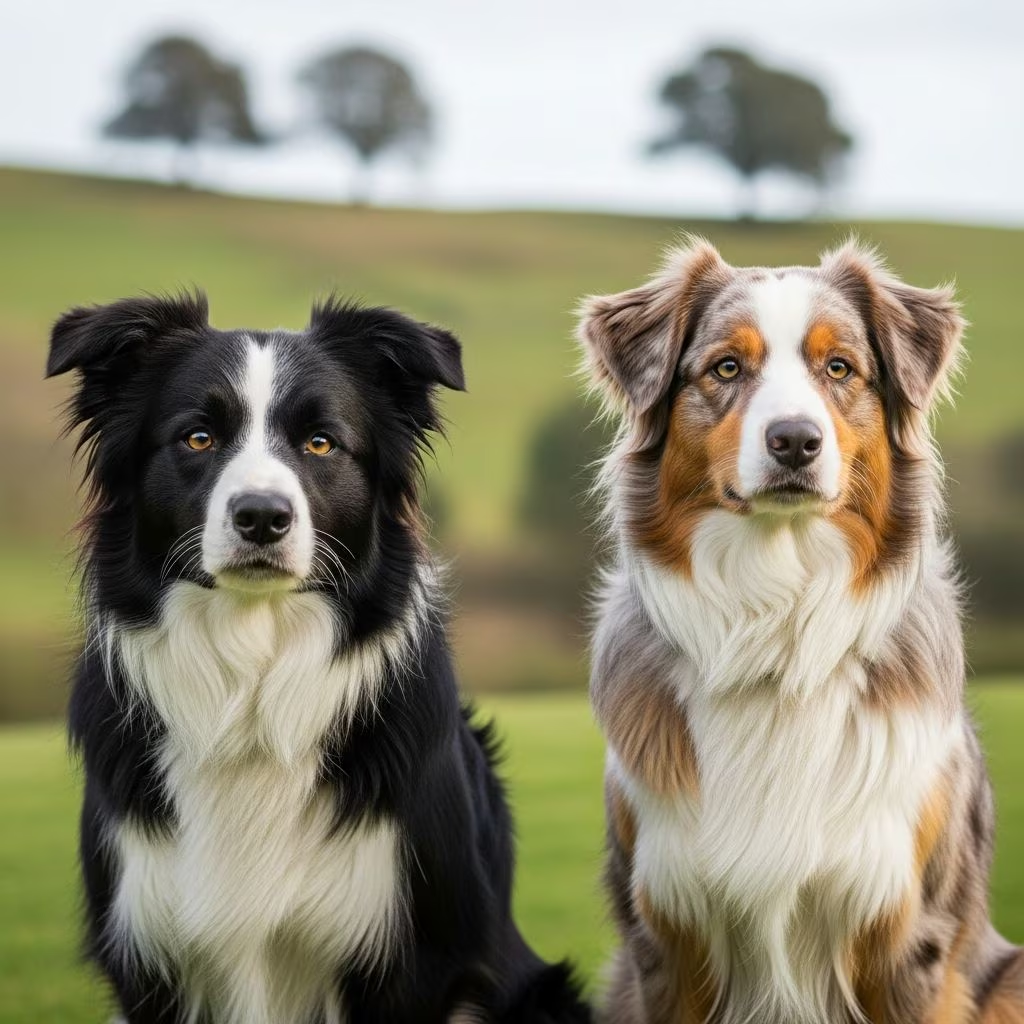
Border Collie vs Australian Shepherd: Which Breed is Right for You?
Border Collies and Australian Shepherds are two of the most popular herding dog breeds, and for good reason. Both are highly intelligent, energetic, and deeply devoted to their families. However, despite their similarities, these two breeds have distinct differences that may make one a better fit for your lifestyle than the other. Understanding these differences is crucial when deciding whether a Border Collie or Australian Shepherd should join your household.
If you’re considering adding one of these remarkable dogs to your family, it’s essential to understand how they compare across multiple dimensions. This comprehensive guide will help you make an informed decision by examining their physical characteristics, temperament, training requirements, health considerations, and suitability for different living situations.
Breed Overview and History
Both Border Collies and Australian Shepherds belong to the herding group and share a working heritage. The Australian Shepherd, despite its name, was actually developed in the United States during the 1800s to work with livestock on ranches. Border Collies, on the other hand, originated in the border country between Scotland and England, where they were bred to herd sheep across challenging terrain.
These breeds were specifically engineered for intelligence, athleticism, and an unwavering drive to work. This foundation explains why both breeds possess such remarkable problem-solving abilities and energy levels that can challenge unprepared owners.
Physical Appearance and Size
Size Comparison
When it comes to size, Border Collies and Australian Shepherds are remarkably similar. Australian Shepherds typically stand between 18 to 23 inches tall, with males being slightly larger than females. Border Collies measure between 18 to 22 inches in height, making them nearly identical in stature. The key difference lies in weight distribution. Australian Shepherds usually weigh between 40 to 65 pounds depending on sex, while Border Collies typically weigh 30 to 55 pounds. This means Australian Shepherds are generally stockier and more robust than their Border Collie counterparts.
Body Structure and Build
While both breeds have athletic builds, there are notable structural differences. Australian Shepherds possess a straight back with a moderately deep chest that enables incredible agility during herding work. They are often described as having a “solid” or “robust” build, making them appear more muscular and substantial.
Border Collies, by contrast, have a leaner frame with deeper and longer chests compared to Australian Shepherds. This chest depth provides exceptional endurance, which is essential for herding dogs that may work for extended periods. The longer chest allows for greater lung capacity, enabling Border Collies to maintain intense work for longer durations without tiring.
Facial Features and Ears
One of the most distinguishing physical features between these breeds involves their ears and facial structure. Australian Shepherds consistently have floppy ears and a softer, wider face. Border Collies, by contrast, often have prick ears (standing upright) and a more refined facial appearance. Additionally, Australian Shepherds have a wider muzzle compared to the more tapered muzzle of Border Collies.
Coat Characteristics
Both breeds possess medium-length coats with dense undercoats that provide excellent insulation in cold weather. However, there are important distinctions. Australian Shepherds always have a rough coat with moderate to long feathering. Border Collies come in two coat varieties: rough coat and smooth coat. Rough-coated Border Collies can range from light feathering to a thick, lush, and long coat, particularly in show line dogs.
Australian Shepherds shed significantly more than Border Collies, particularly during spring and fall seasonal changes. Neither breed is hypoallergenic, but if shedding is a concern, Border Collies may be the better choice. Both breeds benefit from regular brushing to manage their coats effectively.
Distinctive Markings
Australian Shepherds are notably known for their merle coat pattern, though not all members of the breed display this pattern. Many Australian Shepherds have heterochromia, a condition that results in each eye having a different color, often with one blue eye and one brown eye. Historically, Australian Shepherd tails were often docked, though this practice is less common today. Some Aussies are born with bobtails or no tails at all.
Temperament and Personality
General Disposition
Both Border Collies and Australian Shepherds are playful, alert, and deeply devoted to their families. They excel as working partners and family companions. However, their personalities differ in important ways. Australian Shepherds tend to be more reserved around strangers and may require time to open up to new people. If you frequently entertain guests, this trait should be a consideration, as excessive socialization stress can negatively affect an Aussie’s well-being.
Border Collies, while also reserved with strangers, display a different type of intensity. They are extremely focused and driven, sometimes to the point of obsession with their work or training tasks. Australian Shepherds, by contrast, are less intense, more adaptable, and can more easily switch between different mental and physical states.
Independence and Attention Needs
A crucial distinction between these breeds involves their need for constant attention. Border Collies crave continuous interaction and engagement from their owners. They struggle with alone time and can develop anxiety or behavioral problems if left unattended for extended periods. Australian Shepherds, while still highly social and affectionate, are slightly more independent and can handle some alone time better than Border Collies.
Sensitivity and Confidence
Border Collies are generally more sensitive dogs, prone to anxiety or shyness with strangers. This sensitivity requires owners who understand how to work with their dogs’ emotional needs. Australian Shepherds are typically more outgoing and confident in new situations, though they still need proper socialization. This difference may influence your experience depending on how comfortable you are working with a more sensitive dog.
Interactions with Children
Both breeds get along well with children when properly socialized and supervised. However, important differences exist. Australian Shepherds tend to be gentler playmates for children, making them more suitable for families with younger kids. Border Collies, while loving, can be too rambunctious around small children. Their intense herding instincts may cause them to nip at or bump into children while attempting to “herd” them, which can be problematic in households with young kids. Border Collies are better suited for families with older children who can handle their intensity and herding behavior.
Intelligence and Trainability
Canine Intelligence
Both breeds rank among the top in canine intelligence. They excel at learning tricks and commands and demonstrate remarkable ability to adapt to new situations. This intelligence makes both breeds exceptional for dog sports, agility competitions, obedience trials, and working trials.
The key difference lies in how they apply their intelligence. Border Collies are renowned for their singular focus and problem-solving abilities in herding contexts. Australian Shepherds are also highly intelligent but display greater versatility in applying their intelligence across different scenarios and tasks.
Training Responsiveness
Both breeds are highly trainable and respond well to positive reinforcement methods. They are eager to please and quick to understand training cues, making them excellent choices for first-time dog owners who are committed to training and socialization. However, Border Collies require very experienced owners due to their intensity and specific needs, while Australian Shepherds, though also requiring experienced owners, are somewhat more forgiving and adaptable to different training approaches.
Herding Style and Behavior Differences
Distinct Working Methods
One fascinating difference between these breeds is their natural herding style. Border Collies tend to use stalking and staring to control livestock, employing an intense gaze that sheep instinctively respond to. This herding method is highly effective but reflects their laser-focused intensity. Australian Shepherds, conversely, use driving and barking techniques to move and control stock. This more active, vocal approach differs fundamentally from the Border Collie’s hypnotic control method.
Barking Tendencies
Directly related to their herding styles, Border Collies generally bark less than Australian Shepherds. If excessive barking is a concern in your living situation, a Border Collie may be the better choice. However, both breeds will vocalize during play and work, so neither is ideal for noise-sensitive environments.
Energy Levels and Exercise Requirements
Both Border Collies and Australian Shepherds possess extremely high energy levels and substantial work ethic. They were bred to work all day and have the physical stamina to match their mental capabilities. However, Border Collies demonstrate a particularly relentless work drive. They will literally work themselves to exhaustion if not monitored, pushing beyond healthy limits to continue their tasks.
Australian Shepherds, while equally energetic, show slightly better self-regulation. This difference means Border Collies require particularly vigilant owners who understand the need to enforce breaks and manage their dog’s intensity. Both breeds need extensive daily exercise including long walks, runs, and mental stimulation. Without adequate outlets, both breeds can develop destructive behaviors or anxiety issues.
Health and Lifespan
Overall Health
Both Australian Shepherds and Border Collies are generally healthy dog breeds with similar lifespans. On average, both breeds live between 12 to 15 years. This longevity reflects their athletic builds and absence of extreme physical traits that predispose many breeds to serious health problems.
Common Health Concerns
Both breeds share common health concerns including hip dysplasia and progressive retinal atrophy (PRA), an inherited eye condition that can lead to vision loss. Australian Shepherds may also develop collie eye anomaly, an inherited eye disease also found in Border Collies. Regular veterinary screening, particularly genetic testing before breeding, helps identify these conditions early.
Prospective owners should request health clearances from reputable breeders and schedule regular veterinary check-ups to monitor for these conditions. Given these shared health risks, working with breeders who screen their breeding dogs for these genetic conditions is essential.
Living Situation Suitability
Space Requirements
Border Collies require an active yard with plenty of space to run and exercise. Their intense energy and tireless work drive make them challenging for apartment living unless owners can provide extensive daily outdoor activity and mental stimulation. Australian Shepherds, while still requiring significant exercise, can adapt to apartment living if owners commit to meeting their exercise and enrichment needs through walks, training sessions, and interactive play.
Urban vs. Rural Environments
If you live in an urban apartment setting and cannot guarantee multiple hours of vigorous daily exercise, an Australian Shepherd is the more practical choice. Border Collies genuinely thrive with access to open spaces where they can run freely and engage in herding work or intensive training sessions. However, Australian Shepherds remain better suited for spacious rural or suburban environments where they can exercise freely and engage in their natural herding behaviors.
Grooming and Maintenance
Australian Shepherds require more frequent brushing than Border Collies due to their consistently thicker double coats. Both breeds shed year-round with heavier shedding during seasonal transitions in spring and fall. Regular brushing (several times weekly during shedding season) helps manage loose hair and prevents matting.
Beyond coat care, both breeds need regular ear cleaning, dental care, and nail trimming. Neither breed requires professional grooming, but many owners choose to have groomers handle seasonal undercoat removal to reduce shedding and keep their dogs comfortable during warm months.
Popularity and Availability
According to the American Kennel Club’s 2022 rankings, Australian Shepherds rank 12th in popularity, while Border Collies rank 30th. This difference means Australian Shepherds are more readily available from breeders, though this popularity sometimes leads to irresponsible breeding practices. When selecting a puppy, prioritize finding a reputable breeder who screens for genetic health conditions regardless of breed popularity.
Choosing Between the Breeds
Choose an Australian Shepherd If You:
- Have young children in your household
- Prefer a slightly more independent dog
- Live in an apartment or smaller space (with adequate exercise commitment)
- Want a dog that’s generally more outgoing with strangers
- Prefer a less intense working dog that’s easier to switch gears
- Are willing to commit to more frequent grooming
Choose a Border Collie If You:
- Have older children or no children
- Are an extremely active individual looking for an intense working partner
- Have access to open space and a securely fenced yard
- Want to participate in dog sports and advanced training
- Are an experienced dog owner prepared for a highly driven breed
- Prefer a dog with lower barking tendencies
- Can provide constant mental and physical engagement
Frequently Asked Questions
Q: Are Border Collies or Australian Shepherds better for first-time dog owners?
A: Australian Shepherds are generally more forgiving and adaptable for first-time owners willing to invest in training and socialization. Border Collies require very experienced owners who understand their intense drives and specific needs.
Q: Which breed requires more exercise?
A: Both breeds require substantial daily exercise, but Border Collies are particularly tireless and will work themselves to exhaustion if not monitored. They need more intensive daily engagement than Australian Shepherds.
Q: Can Border Collies and Australian Shepherds live in apartments?
A: Australian Shepherds can adapt to apartment living with committed owners providing extensive daily exercise and mental stimulation. Border Collies are better suited to homes with yards and open space due to their intense exercise needs.
Q: Which breed is better with young children?
A: Australian Shepherds are more gentle and appropriate playmates for young children. Border Collies are better suited for families with older children due to their intensity and herding instincts that may cause nipping or bumping.
Q: Do Border Collies and Australian Shepherds shed a lot?
A: Both breeds shed year-round with heavier shedding during spring and fall. Australian Shepherds shed slightly more than Border Collies and require more frequent brushing.
Q: How long do these breeds typically live?
A: Both breeds have similar lifespans of 12 to 15 years on average, making them long-term companions that require significant commitment.
Q: Are these breeds hypoallergenic?
A: No, neither Border Collies nor Australian Shepherds are hypoallergenic. Both shed regularly and produce dander that can trigger allergies in sensitive individuals.
Q: Which breed barks more?
A: Australian Shepherds tend to bark more than Border Collies. This difference relates to their distinct herding styles, with Aussies using barking as part of their driving herding technique.
Q: Can these breeds live together?
A: Yes, Border Collies and Australian Shepherds can live together harmoniously, especially if they’re socialized early. However, both breeds’ high energy and herding instincts require careful management and adequate space.
References
- Australian Shepherd vs Border Collie: Differences to Know — Dog Academy. Retrieved 2025-11-28. https://dogacademy.org/blog/australian-shepherd-vs-border-collie/
- What is the Difference Between Border Collies and Australian Shepherds — Karen Shanley. Retrieved 2025-11-28. https://karenshanley.com/
- Australian Shepherds vs Border Collies – Similarities and Differences — Spirit Dog Training. Retrieved 2025-11-28. https://spiritdogtraining.com/breeds/australian-shepherds-vs-border-collies/



