

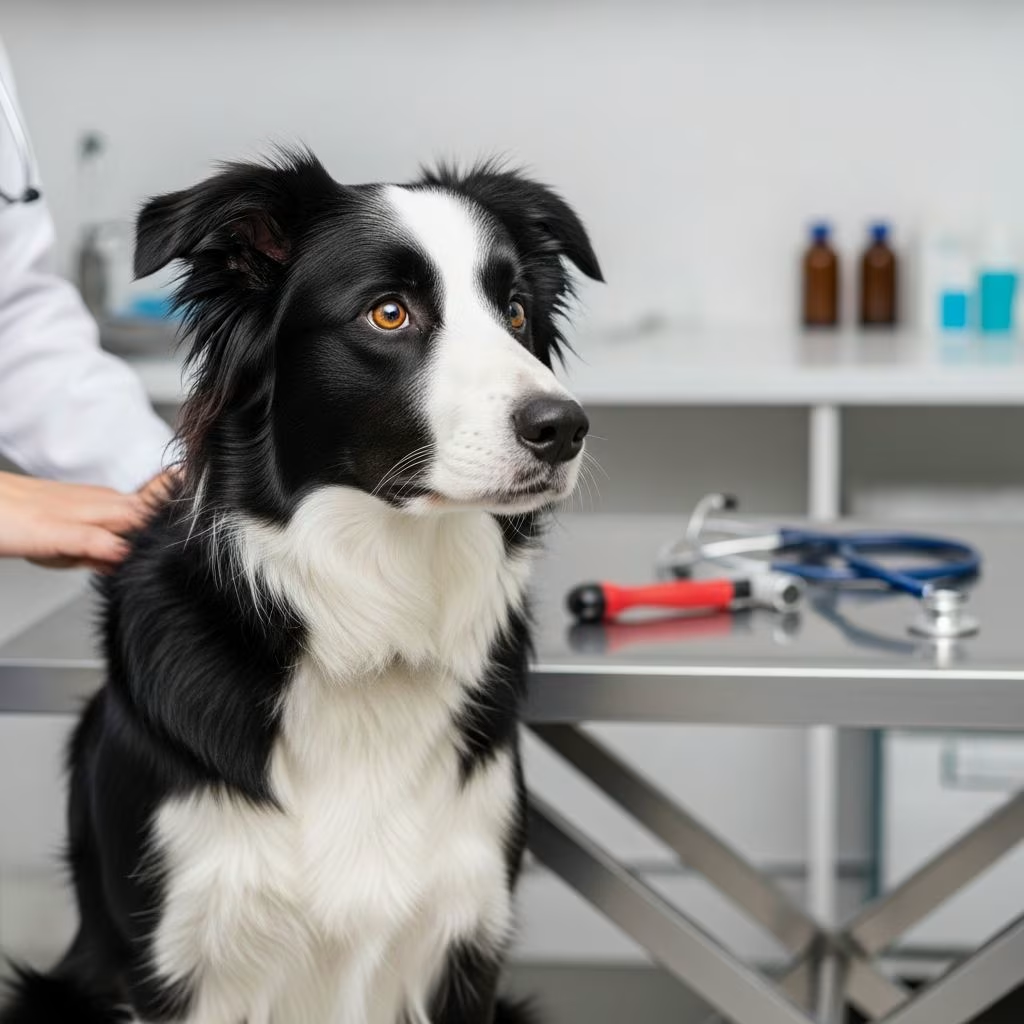
Border Collies stand out as one of the most intelligent and athletic dog breeds, renowned for their herding prowess and unwavering energy. However, like many purebred dogs, they carry predispositions to specific health conditions rooted in genetics, rapid growth, or lifestyle factors. Understanding these vulnerabilities empowers owners to take preventive steps, ensuring their pets enjoy active, pain-free lives. This guide delves into the primary health concerns, drawing from veterinary insights to outline symptoms, causes, diagnosis, and management options.
Understanding Genetic Predispositions in Border Collies
Genetic factors play a significant role in Border Collie health, as selective breeding for traits like speed and stamina can amplify certain hereditary issues. Conditions such as neuronal ceroid lipofuscinosis (CL) and trapped neutrophil syndrome (TNS) arise from specific gene mutations unique to the breed. CL triggers neurological decline, manifesting as seizures, behavioral shifts, and vision loss typically between 15-20 months, often shortening lifespan dramatically. Genetic screening by breeders helps avoid propagating these defects. Similarly, TNS impairs the immune system by trapping neutrophils, leading to recurrent infections, stunted growth, and smaller size in affected puppies.
Multidrug resistance mutation (MDR1) represents another critical genetic quirk, making some Border Collies hypersensitive to common medications like ivermectin used in parasite control. A simple cheek swab test identifies carriers, allowing safe treatment protocols. Owners should request parental health clearances from breeders, prioritizing those certified by organizations like the Orthopedic Foundation for Animals (OFA) or PennHIP for orthopedic evaluations.
Joint and Mobility Challenges
Border Collies’ high-energy lifestyles and genetic makeup predispose them to orthopedic problems, particularly in weight-bearing joints. Hip dysplasia tops the list, where the femoral head fails to fit snugly into the acetabulum, causing friction, inflammation, and eventual arthritis. Symptoms include limping, bunny-hopping gait, reluctance to rise, and muscle wasting in hindquarters. Rapid puppy growth, often from excess dietary calcium, exacerbates this; balanced nutrition with controlled calcium intake supports proper skeletal development.
Osteochondritis dissecans (OCD) strikes growing puppies under one year, involving cartilage flaps in joints like elbows or shoulders that cause lameness, swelling, and pain. Elbow dysplasia mirrors hip issues but affects front limbs. Preventive measures include weight management, low-impact exercise like swimming, and joint supplements with glucosamine and chondroitin. For advanced cases, surgical interventions like femoral head ostectomy or total hip replacement restore function, though early detection via X-rays is key.
| Condition | Common Symptoms | Prevention Strategies |
|---|---|---|
| Hip Dysplasia | Limping, pain on rising, reduced activity | Screened parents, controlled growth diet, moderate exercise |
| OCD | Joint swelling, lameness in puppies | Appropriate puppy nutrition, avoid high-impact play |
| Arthritis | Stiffness, grinding sounds, heat in joints | Weight control, omega-3 supplements, physical therapy |
Neurological and Seizure Disorders
Idiopathic epilepsy (IE) emerges as the predominant neurological issue, a hereditary disorder sparking recurrent seizures from irregular brain electrical activity. Onset typically occurs between 6 months and 5 years, with episodes featuring convulsions, drooling, paddling limbs, or temporary unconsciousness. While not usually fatal, uncontrolled seizures impact quality of life. Diagnosis involves ruling out metabolic causes via bloodwork, followed by anticonvulsant therapy like phenobarbital.
Owners witnessing a seizure should ensure safety by clearing the area, timing the event (most last under 5 minutes), and consulting a vet promptly if clusters occur. Lifestyle adjustments, such as stress reduction and consistent routines, complement medication for better control.
Eye and Vision Impairments
Vision is paramount for herding breeds like Border Collies, yet genetic eye disorders pose significant threats. Collie Eye Anomaly (CEA), a congenital defect, affects choroidal development, potentially leading to retinal detachment and blindness. Progressive retinal atrophy (PRA) degenerates rod and cone cells, first impairing night vision before total sight loss. Though PRA incidence appears low in North American lines per breed registries, routine ophthalmic exams by veterinary ophthalmologists certified by the ACVO detect early changes.
Annual eye screenings from puppyhood, combined with genetic testing, mitigate risks. Environmental adaptations like keeping furniture static aid blind dogs in navigating confidently.
Endocrine and Hormonal Imbalances
Hypothyroidism disrupts thyroid hormone production, yielding symptoms like lethargy, unexplained weight gain despite normal appetite, dull coat, hair loss, and skin infections. Females may show reproductive issues, while some exhibit aggression or fearfulness. Blood tests confirm low T4 levels, treatable lifelong with synthetic hormones like levothyroxine, restoring vitality effectively.
Patent ductus arteriosus (PDA), a congenital heart defect, allows blood shunting, overloading the left heart and risking failure. Murmurs detected via auscultation prompt echocardiography; surgical ligation offers curative outcomes, especially in young dogs.
Digestive and Skin Sensitivities
Sensitive stomachs plague many Border Collies, manifesting as vomiting, diarrhea, gas, or constipation from food intolerances, infections, or microbiome disruptions. Allergies compound this, triggering itchy skin, hot spots, ear infections (evidenced by odor and head shaking), and gastrointestinal upset. Common culprits include proteins like beef or grains; hypoallergenic diets with novel proteins alleviate symptoms.
Dental woes from plaque buildup lead to gingivitis, tooth loss, and systemic risks like kidney strain. Daily brushing with enzymatic toothpaste, dental chews, and professional cleanings preserve oral health, potentially extending lifespan by years.
- Daily Dental Routine: Brush teeth 3-4 times weekly; use vet-approved products.
- Diet Tweaks: Switch to limited-ingredient foods; add probiotics for gut health.
- Skin Care: Omega fatty acids reduce inflammation; flea preventives curb secondary infections.
Proactive Wellness and Prevention Blueprint
Holistic care fortifies Border Collie resilience. Select breeders emphasizing health testing via OFA, PennHIP, and genetic panels for MDR1, TNS, CL, and CEA. Puppies require large-breed formulas avoiding excess calcium/phosphorus ratios to curb orthopedic diseases. Daily exercise—herding trials, agility, or 60-minute walks—maintains muscle tone without joint overload; mental stimulation via puzzles prevents boredom-induced behaviors.
Veterinary checkups twice yearly include blood panels for thyroid/epilepsy monitoring, orthopedic assessments, and eye exams. Vaccinations, parasite controls (MDR1-safe), and spay/neuter timing discussions optimize longevity. Neutraceuticals like fish oil, turmeric, and green-lipped mussel support joints and immunity.
FAQs on Border Collie Health
What is the most common health issue in Border Collies?
Hip dysplasia leads due to genetic and growth factors, but epilepsy and hypothyroidism follow closely.
How can I prevent hip dysplasia in my puppy?
Choose OFA-certified parents, feed growth-controlled diets, and limit high-impact activities until maturity.
Are seizures curable in Border Collies?
No, idiopathic epilepsy is managed with lifelong medication and lifestyle tweaks for seizure control.
Does my Border Collie need genetic testing?
Yes, for MDR1, TNS, CL, and CEA to guide medication and breeding decisions.
Can diet improve skin allergies?
Hypoallergenic or novel-protein diets, plus omegas, often resolve itching and infections.
Long-Term Management for Chronic Conditions
For dogs with persistent issues, multimodal approaches excel. Physical therapy, acupuncture, and hydrotherapy enhance mobility in dysplastic joints. Seizure diaries track triggers, informing dosage adjustments. Thyroid patients thrive on consistent medicating schedules, with rechecks every 6-12 months. Owners of visually impaired Collies benefit from scent training and voice commands, preserving independence.
Insurance coverage for breed-specific risks offsets costs of diagnostics like MRIs or surgeries. Community support via breed clubs offers shared experiences and trials access. With vigilant care, Border Collies routinely surpass 12-15 years, herding happily into seniority.
References
- Most Common Border Collie Health Issues — Lucy Pet Products. 2023. https://www.lucypetproducts.com/blog/most-common-border-collie-health-issues/
- Border Collie Health Issues: How to Care for Your Furry Friend — worksSOwell. 2024. https://www.workssowell.com/a/blog/border-collie-health-issues-how-to-care-for-your-furry-friend
- Border Collie Dog Breed Health and Care — PetMD. 2025-01-15. https://www.petmd.com/dog/breeds/border-collie
- Understanding Border Collie Health Issues — Lyka. 2024. https://lyka.com.au/blog/border-collie-health-issues
- Understanding Common Health Conditions Found in Border Collies — Streamz Global. 2024. https://us.streamz-global.com/blogs/articles/understanding-common-health-conditions-found-in-border-collies
- Breed-Related Disease: Border Collie — Bioguard Labs. 2023. https://www.bioguardlabs.com/breed-related-disease-border-collie/
- Health and Genetics — American Border Collie Association. 2025. https://americanbordercollie.org/bc-information/heath-and-genetics/



