

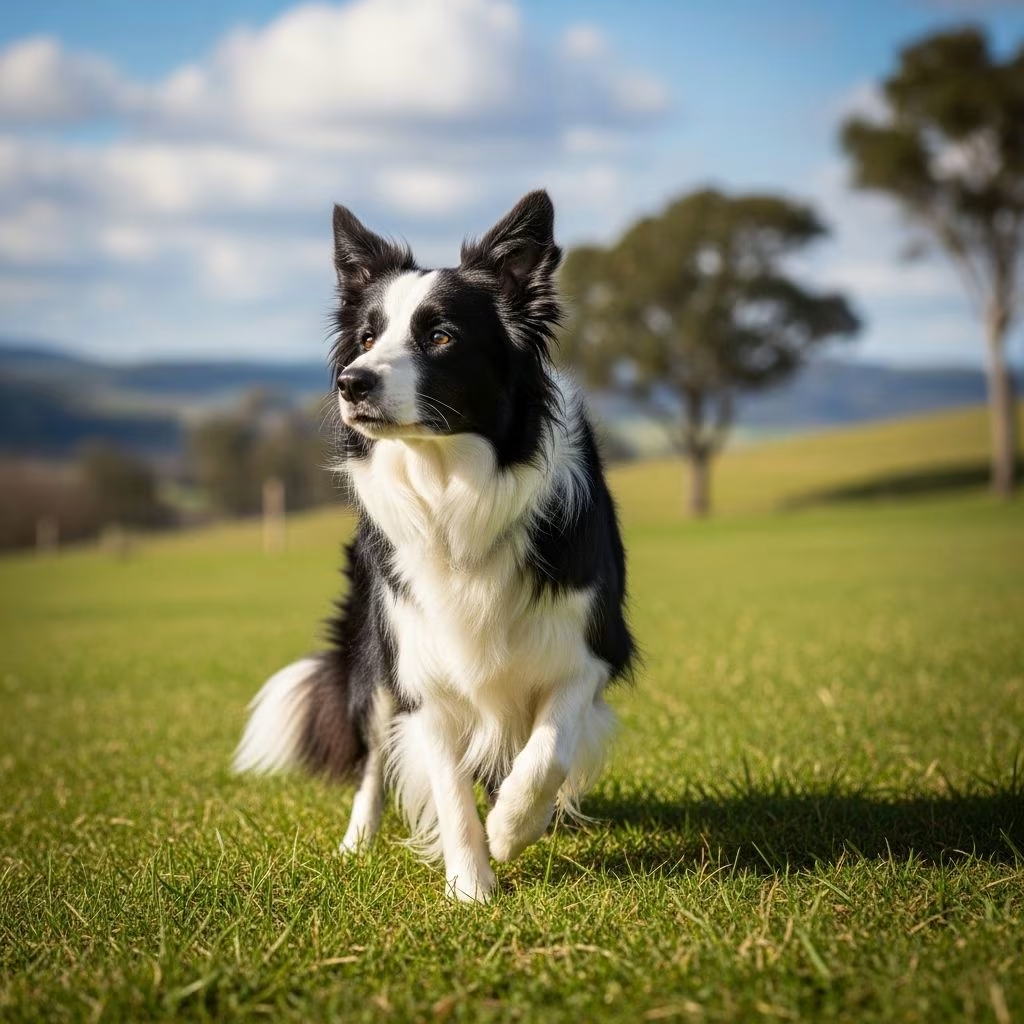
Border Collie Dog Breed Overview
The Border Collie is widely recognized as one of the most intelligent and capable working dog breeds in the world. These medium-sized dogs are renowned for their exceptional ability to herd livestock, their eagerness to please, and their remarkable capacity to learn complex tasks. Originally developed along the border between Scotland and England, Border Collies have become beloved not only by farmers and ranchers but also by families seeking an active, intelligent companion. Their combination of physical athleticism, mental sharpness, and unwavering loyalty makes them stand out among all dog breeds.
Border Collies are known for their intense work ethic and desire to have a job to do. Unlike many other breeds that are content with casual exercise and downtime, Border Collies thrive when given purpose and mental stimulation. This makes them an excellent choice for active owners who understand the breed’s unique needs and can provide appropriate outlets for their energy and intelligence.
Physical Characteristics and Appearance
Border Collies are medium-sized dogs with a distinctive athletic build. Males typically stand 19 to 24 inches at the shoulder, while females range from 18 to 22 inches. In terms of weight, males generally weigh between 31 to 55 pounds, with females typically weighing between 26 to 42 pounds. Their bodies are slightly longer than they are tall, giving them a balanced, agile appearance that reflects their working heritage.
The breed’s head is moderately proportioned with a relatively flat skull. Their eyes are set well apart and are typically brown in color, though merle-colored dogs may have one or both eyes that are blue. The skull and muzzle are approximately the same length, with a moderate stop. Border Collies have strong teeth that meet in a scissors bite, contributing to their powerful yet refined appearance.
One of the most striking features of Border Collies is their intense gaze, often referred to as “the Border Collie eye.” This characteristic stare, combined with their natural herding instincts, allows them to control livestock with remarkable precision. When focused on an object of interest—whether a toy, treat, or livestock—Border Collies often assume a distinctive crouch or stalk position with a lowered head and steady gaze.
Coat Types and Colors
Border Collies come in three different coat varieties: smooth, medium, and rough. All coat types serve to protect the dog during outdoor work in various weather conditions. The breed displays several color variations, with black and black with tan being the most common. Some Border Collies exhibit reddish coloring, though this is less common. Regardless of their color or markings, physical evaluation and gait are always considered more important than appearance in breed standards.
Temperament and Personality
The Border Collie’s temperament is characterized by intelligence, alertness, loyalty, and liveliness. These dogs are naturally responsive and eager to please their owners, which makes them highly trainable. Their keen awareness of their surroundings and quick thinking allow them to anticipate commands and adapt to new situations with remarkable speed. Border Collies form strong bonds with their families and are deeply devoted to their loved ones.
One defining aspect of Border Collie temperament is their sensitivity. These dogs are attuned to their owners’ moods and responses, making them responsive to both praise and correction. While this sensitivity makes them excellent learners, it also means they require patient, consistent training and should never be subjected to harsh handling or punishment.
Social Behavior and Family Dynamics
Border Collies that are properly socialized from puppyhood make excellent family companions. They are typically good with children they are raised with and can coexist peacefully with other pets in the household. However, their herding instincts may cause them to nip at heels—mimicking their behavior with livestock—which can be problematic with small children if not properly managed through training and supervision.
These dogs may be reserved or even somewhat suspicious of strangers, a trait that stems from their working dog background. Early socialization is essential to help prevent shyness and reactivity around unfamiliar people. When properly socialized, Border Collies can learn to welcome guests appropriately, though they typically remain more cautious than some other breeds.
Energy Level and Exercise Requirements
Border Collies are extremely high-energy dogs that require substantial daily exercise and mental stimulation. These are not dogs content with casual walks around the neighborhood; they need vigorous physical activity combined with challenging mental tasks. A typical Border Collie will thrive with multiple hours of exercise daily, including running, playing, and engaging in activities that challenge their problem-solving abilities.
A simple daily walk or game of fetch is insufficient for most Border Collies. Without adequate exercise and mental stimulation, these intelligent dogs may develop destructive behaviors, including excessive barking, chewing, or attempting to herd family members. Bored Border Collies can become hyperactive and difficult to manage, making adequate exercise and engagement absolutely essential for their well-being and your household’s peace.
Suitable Activities for Border Collies
Border Collies excel in numerous activities that provide both physical exercise and mental challenge. Herding livestock remains their original purpose and ideal occupation. However, for those without access to sheep or cattle, numerous alternatives exist. Competitive dog sports such as agility, obedience trials, and flyball provide excellent outlets for their energy and intelligence. Many Border Collies also enjoy dock diving, rally obedience, and disc dog competitions. Regular fetch sessions, tug-of-war games, and puzzle toys that dispense treats also help keep these dogs mentally engaged and physically active.
Intelligence and Trainability
Border Collies rank among the most intelligent dog breeds, known for their working intelligence—a combination of bidability and speed of learning. These dogs learn new commands and tasks with remarkably few repetitions and are genuinely eager to understand what their owners want. This exceptional intelligence and willingness to learn make Border Collies relatively easy to train compared to many other breeds.
However, their intelligence can sometimes work against owners who are unprepared for it. Border Collies may attempt to outsmart their owners or challenge authority, particularly during adolescence. Firm, consistent, and confident leadership is essential when training a Border Collie. These dogs thrive under clear, consistent guidance and respond well to positive reinforcement and praise. Harsh corrections or inconsistent rules can confuse these sensitive dogs and damage the trust between dog and owner.
Training Considerations
Early socialization and obedience training are crucial for Border Collies. Starting training as puppies helps prevent problematic behaviors such as excessive nipping, running off, or chasing cars. Border Collies benefit from structured training programs and thrive when given clear expectations and consistent boundaries. Mental stimulation through training sessions, puzzle-solving activities, and job assignments keeps these intelligent dogs engaged and content.
Health and Physical Capabilities
Border Collies are naturally athletic dogs with exceptional physical capabilities. They can run at remarkable speeds and possess the ability to change direction instantly without losing balance or grace. Their movement is free, smooth, and efficient, with minimal lift of the feet and an overall balanced appearance. This natural agility and grace allow them to navigate obstacles with ease and respond quickly to changing situations.
The breed’s physical attributes contribute significantly to their herding abilities. Their relatively low center of gravity, combined with their muscular build, enables them to maintain control while working livestock. Their free, flowing movement allows them to cover ground quickly and efficiently, essential characteristics for herding dogs managing large flocks.
Living Situations and Environmental Adaptation
While Border Collies are undeniably working dogs, they can adapt to various living situations when their specific needs are met. These dogs are not suited to apartment living or situations where owners cannot provide adequate exercise and mental stimulation, regardless of the home size. Border Collies require owners who understand their need for purpose and can commit to providing consistent physical exercise and mental engagement.
The ideal environment for a Border Collie includes access to outdoor space where they can run and play, as well as owners who have time to engage in training, play, and interactive activities. For the right owner—someone active and committed to meeting the breed’s unique needs—the Border Collie is a remarkable companion. Their perceptiveness, intelligence, and eagerness to please make them remarkably rewarding to live with when properly managed.
Working Characteristics and Drive
Border Collies possess an innate urge to gather and manage groups—whether sheep, children, cats, squirrels, or even cars. Their natural instinct to nip, nudge, and bark at their “charges” combined with their high intensity cannot simply be trained away. Instead, these herding instincts must be channeled into appropriate outlets. A Border Collie without a job or purpose may redirect these instincts toward family members or household pets, leading to behavioral problems.
The breed’s obsession with work is as it should be for a proper Border Collie. Shepherds and ranchers have historically valued dogs that are light on their feet, flowing in movement, quick to cover stock, and possessing great endurance. A good Border Collie demonstrates exceptional livestock sense, understanding how to move animals without causing fear or panic. They can adjust their intensity based on the situation and respond immediately to their handler’s direction.
Socialization and Behavioral Management
Border Collies require extensive socialization from puppyhood to develop into well-adjusted adult dogs. Early exposure to various people, animals, environments, and experiences helps prevent shyness, fear-based aggression, and reactivity. Puppies that are well-socialized as young dogs typically adapt better to strangers and unexpected situations throughout their lives.
Obedience training serves multiple important functions beyond basic command training. It provides mental stimulation, strengthens the bond between dog and owner, and helps deter problematic behaviors such as nipping, running off, and chasing cars. Regular training sessions give Border Collies the structure and clear expectations they need to thrive.
Breed History and Development
The Border Collie developed along the border between Scotland and England, where shepherds needed dogs capable of managing large flocks across challenging terrain. Selective breeding perpetuated the traits of intelligence, trainability, loyalty, and strong desire to work. Over generations, breeders have consistently selected dogs that demonstrated working intelligence—the combination of bidability and speed of learning—as well as physical athleticism and mental acuity.
This careful selective breeding has resulted in a dog breed remarkably suited to complex herding tasks and other demanding work. The Border Collie’s versatility extends well beyond herding, making them excellent competitors in numerous dog sports and valued working partners in various other roles.
Frequently Asked Questions
Q: Are Border Collies good family pets?
A: Yes, Border Collies can make excellent family pets for active owners who understand their need for substantial exercise and mental stimulation. They form strong bonds with family members and are typically good with children when properly socialized and supervised. However, their herding instincts and high energy mean they are best suited to families who can commit to meeting their specific needs.
Q: How much exercise do Border Collies need daily?
A: Border Collies require several hours of vigorous exercise daily, combined with mental stimulation. A simple walk or casual play session is insufficient. They thrive with activities like herding, agility training, extensive fetch games, and puzzle-solving challenges.
Q: Can Border Collies live in apartments?
A: Border Collies are not well-suited to apartment living, even small apartments with nearby parks. They require significant space and the ability to run freely. Without adequate exercise and mental engagement, they may develop destructive behaviors and become anxious or hyperactive.
Q: Are Border Collies easy to train?
A: Yes, Border Collies are highly intelligent and eager to please, making them relatively easy to train. However, they require consistent, firm, and confident leadership. They may attempt to outsmart their owners, particularly during adolescence, so experienced dog owners typically have more success with this breed.
Q: What health issues are common in Border Collies?
A: While Border Collies are generally healthy dogs, they can be prone to certain genetic health issues including hip dysplasia, eye disorders, and epilepsy. Working with reputable breeders who conduct health testing and maintain good breeding practices helps minimize these risks.
Q: Do Border Collies get along with other pets?
A: Border Collies typically get along well with other pets they are raised with. However, their herding instincts may cause them to chase or nip at cats, rabbits, or other small animals. Early socialization with other pets helps minimize these behaviors.
Conclusion
Border Collies represent a remarkable achievement in selective dog breeding, combining exceptional intelligence, athleticism, loyalty, and work ethic into a single package. These dogs are unmatched in their ability to learn complex tasks, respond to subtle commands, and work independently while remaining deeply bonded to their owners. For those who understand and appreciate their unique characteristics, Border Collies offer an unparalleled partnership and companionship.
However, potential Border Collie owners must honestly assess whether they can meet the breed’s substantial exercise, mental stimulation, and engagement requirements. A Border Collie without adequate outlets for their energy and intelligence may become a behavioral challenge rather than an ideal companion. For the right owner—one who is active, committed, and understands the breed’s working heritage—a Border Collie can be an extraordinary family member and working partner that brings joy, engagement, and purpose to daily life.
References
- Border Collie Characteristics — Border Collie Society of America. Accessed November 28, 2025. https://www.bordercollie.org/basics/characteristics/
- Border Collie Dog Breed Information & Characteristics — DogTime. Accessed November 28, 2025. https://dogtime.com/dog-breeds/border-collie
- Border Collie Dog Breed Information — American Kennel Club. Accessed November 28, 2025. https://www.akc.org/dog-breeds/border-collie/
- Border Collie Dog Breed Information and Pictures — Dog Breed Info. Accessed November 28, 2025. https://www.dogbreedinfo.com/bordercollie.htm
- About Border Collies — Arizona Border Collie Rescue. Accessed November 28, 2025. https://azbcr.org/Resources/AboutBorderCollies.aspx
- Border Collie Dog Breed – Hill’s Pet Nutrition — Hill’s Pet Nutrition. Accessed November 28, 2025. https://www.hillspet.com/dog-care/dog-breeds/border-collie



