

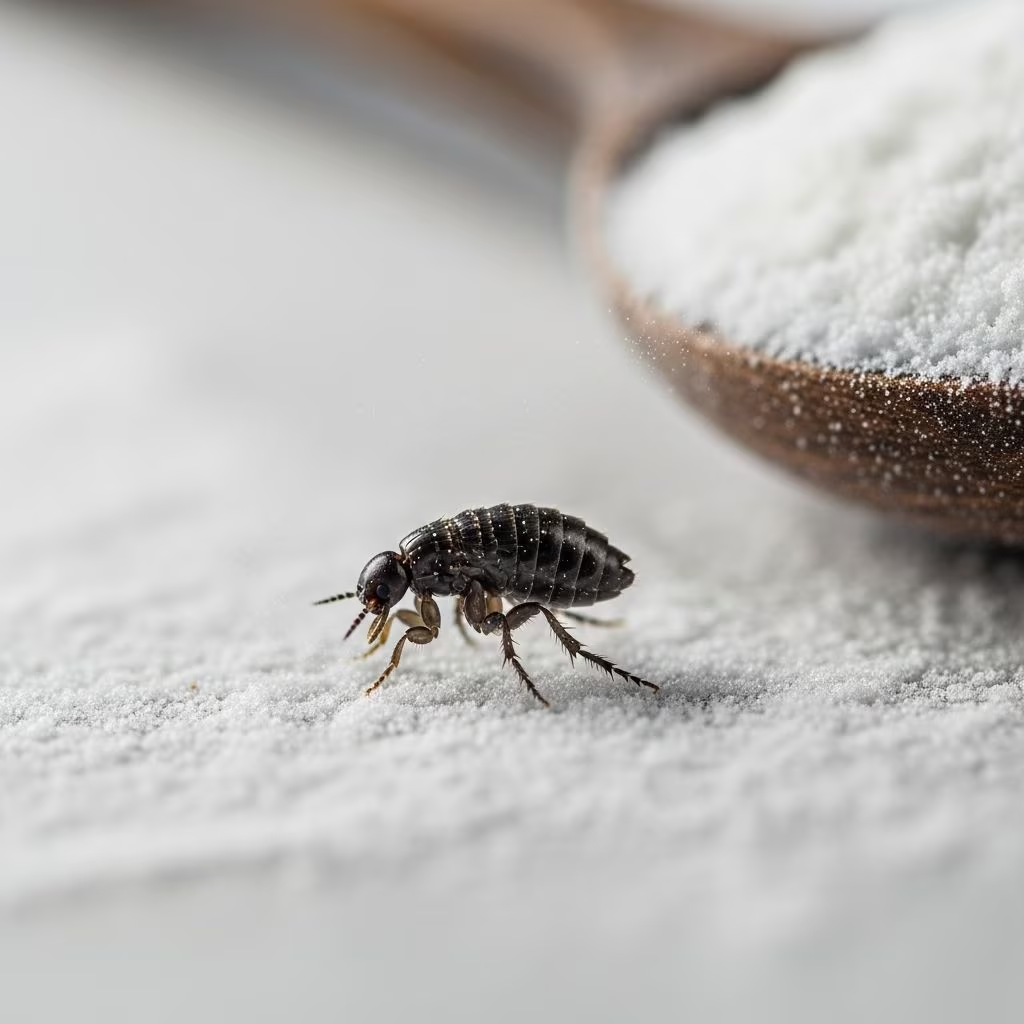
Borax and boric acid have emerged as naturally occurring compounds that many homeowners consider for managing flea infestations. These mineral-based substances offer an alternative to synthetic pesticides, but their effectiveness depends critically on understanding their limitations and proper application methods. This comprehensive guide explores how these compounds function against fleas, their proven efficacy, safety considerations, and how they fit within a broader pest management strategy.
The Science Behind Borax and Flea Control
Borax compounds work through a dual mechanism when fleas are exposed to them. The active components, known as borates, function as both a digestive toxin and a desiccating agent. When flea larvae ingest borax particles, the compound disrupts their digestive processes and simultaneously damages their protective exoskeleton, leading to dehydration and death. However, this mechanism only affects one specific stage of the flea life cycle.
The critical limitation is that borax only eliminates flea larvae, not eggs, pupae, or adult fleas. This means the compound cannot serve as a complete standalone solution for flea infestations. Instead, it functions best as a component within an integrated pest management approach. The larvae must actively ingest the borax particles for the treatment to be effective, which is why application location matters significantly.
Efficacy and Performance Data
Research on borax effectiveness reveals impressive results when properly applied. Studies demonstrate that borate-based products can achieve 98-100% suppression of flea larvae in treated environments. Early application trials showed that on day 3, light borax treatments reduced larvae by 77.7%, medium treatments by 83.3%, and heavy treatments by 97.6%. By day 21, all application rates achieved 98-100% larval reduction.
The time frame for effectiveness is important to understand. Complete flea control in treated areas typically requires 4 to 6 weeks. This extended timeline reflects the slower action of borax compared to synthetic pesticides. Pet owners must maintain patience and consistency with borax treatments, as rapid results should not be expected.
One significant advantage of borax is its residual activity. Unlike many conventional insecticides composed of complex molecules that degrade over time, boric acid and its derivatives persist in the environment. Borates remain naturally stable and do not break down or degrade in air. When exposed to water, they transform into their naturally occurring boron form without further degradation. Studies show that borax products can suppress 75% of flea development in carpets for up to 18 months, provided the treated areas remain dry.
Strategic Application Techniques
The success of borax treatment hinges entirely on proper application methodology. Since larvae must ingest the compound to be affected, applying borax to appropriate locations is essential. The powder must be distributed in flea breeding grounds where larvae feed, maximizing the likelihood of ingestion.
Effective application areas include:
- Carpeting and rugs throughout the home
- Pet bedding and sleeping areas
- Hard flooring surfaces
- Furniture and upholstered items
- Cat trees and climbing structures
- Storage areas and cupboards
- Spaces frequently occupied by pets
Thoroughness proves critical for success. Areas where pets spend significant time deserve special attention, as these locations likely harbor the highest flea larval populations. The application process involves spreading the powder evenly across targeted surfaces, allowing it to settle for 24 to 48 hours or longer, then vacuuming thoroughly and disposing of the vacuum bag immediately.
A warning exists regarding prolonged use: boric acid may damage carpet fabric or upholstery over time. This potential deterioration should be considered before treating expensive floor coverings or furniture. Testing on inconspicuous areas first allows homeowners to assess compatibility before full-scale application.
Safety Considerations for Families and Pets
Borax presents a different safety profile than synthetic pesticides. As a naturally occurring mineral, borate compounds demonstrate relatively low toxicity to mammals, including humans and dogs. Adults show particular resistance to toxic effects, and prolonged feeding trials with dogs and rats revealed no toxic manifestations. Cats living in sodium polyborate-treated environments for five months showed no signs of toxicity.
However, safety precautions remain important. The compound should never be applied directly to pet fur or bedding where animals sleep, as inhalation or ingestion can cause adverse reactions. Symptoms of concern include skin and eye irritation, coughing, and sneezing. Households with small children require special caution, as their proximity to floors and lower body mass creates higher exposure risk. Young pets similarly face increased hazard and should be kept away from treated areas during application and the settling period.
Prolonged environmental contact with borax may potentially cause health complications including skin irritation and allergies. For this reason, excessive or unnecessary application should be avoided, and the compound should be used only in targeted flea management, not as a general household deodorizer or preventative scatter application.
Integration with Comprehensive Pest Management
The most effective approach combines borax treatment with other pest management strategies. Since borax only addresses flea larvae, supplementary treatments targeting other life stages prove necessary. An integrated approach might include:
- Borax application to environmental breeding grounds for larval control
- Veterinarian-approved topical or oral flea treatments for adult fleas on pets
- Regular vacuuming to disturb eggs and pupae
- Washing pet bedding in hot water weekly
- Professional pest management consultation for severe infestations
- Limiting pet access to treated areas during the settling period
Vet-approved flea deterrents, when combined with borax treatment, can produce noticeable improvement within days. This combination approach addresses multiple life cycle stages, providing more comprehensive control than borax alone. The synergy between environmental treatment and pet-focused interventions creates a stronger defense against reinfestation.
Comparison with Alternative Flea Control Methods
Several flea control options exist, each with distinct advantages and limitations:
| Method | Target Stage | Effectiveness Timeline | Safety Profile | Cost Consideration |
|---|---|---|---|---|
| Borax/Boric Acid | Larvae only | 4-6 weeks for complete control | Low toxicity, requires precautions | Budget-friendly |
| Topical Pet Treatments | Adult fleas, larvae | Days to weeks | Veterinary formulations, generally safe | Moderate to high |
| Oral Medications | Multiple stages | Rapid onset | Prescription-based, veterinary guidance | Moderate to high |
| Flea Collars | Adults on pet | Ongoing protection | Varies by product, some concerns | Low to moderate |
| Professional Treatment | All stages | Rapid, comprehensive | Professional application, highly effective | High |
Addressing Common Questions
Can borax eliminate adult fleas?
No. Borax exclusively targets flea larvae through digestive and desiccating mechanisms. Adult fleas, eggs, and pupae remain unaffected. This makes borax unsuitable as a sole treatment but valuable as a supportive measure within integrated management.
How long does borax remain effective?
Borate compounds can suppress flea development for up to 18 months in carpets, provided treated areas remain dry. This extended residual activity provides long-term environmental suppression when conditions are maintained properly.
Is it safe to use borax with small children in the home?
Borax use requires caution in homes with small children or infants. Their close proximity to floors and smaller body mass increase exposure risk. Application should be conducted when children can be kept away from treated areas, or alternative control methods should be considered.
What happens if a pet ingests borax?
Ingestion can cause vomiting, diarrhea, and other toxic symptoms. Borax should never be applied directly to pet fur or sleeping areas. If accidental ingestion occurs, immediate veterinary consultation is recommended.
Can borax be used alongside prescribed flea medications?
Yes, environmental borax treatment complements veterinary flea medications effectively. The medications address fleas on the pet while borax manages environmental larvae, creating a comprehensive approach. However, consult with a veterinarian before combining treatments to ensure compatibility.
Practical Implementation Steps
Successful borax application follows a structured process. First, identify areas where fleas concentrate, particularly pet bedding, carpeted spaces, and furniture. Vacuum these areas thoroughly to remove surface debris and disturb existing fleas. Next, apply borax powder evenly across target surfaces using a standard applicator or by sprinkling carefully from the container. Allow the powder to settle for 24 to 48 hours undisturbed, preferably longer for maximum effectiveness. Restrict pet access during this period to prevent inhalation or ingestion. After the settling period, vacuum thoroughly, spending extra time in heavily treated areas, then immediately dispose of the vacuum bag to prevent flea escape.
Repeat this process every 3 to 4 months to address new flea generations and maintain environmental suppression. Consistency proves essential for long-term success, as sporadic treatment allows flea populations to reestablish.
When to Seek Professional Alternatives
Borax may not be appropriate in all situations. Severe or persistent infestations may benefit from professional pest management consultation. Households with very young children, immunocompromised family members, or pets with known sensitivities should prioritize veterinary-approved treatments specifically designed for safety in their circumstances. Those seeking more rapid flea elimination should recognize that borax’s extended timeline may not meet their needs, making prescription treatments a better option.
Ultimately, borax represents a cost-effective, naturally derived option for managing environmental flea larvae when used appropriately as part of a comprehensive strategy. Understanding its specific mechanism, limitations, and proper application ensures optimal results while maintaining household safety.
References
- Does borax kill fleas? — FleaScience. Accessed February 2026. https://fleascience.com/does-boric-acid-kill-fleas/
- Does Borax Kill Fleas? Vet-Approved Advices — FurLife. Accessed February 2026. https://getfurlife.com/blogs/news/is-borax-for-fleas-safe-for-dogs
- Is borax safe for treating fleas on my pet, or should I use something else? — Dial A Vet. Accessed February 2026. https://www.dialavet.com/vet-answers/borax-safe-for-pet-fleas-16669



