

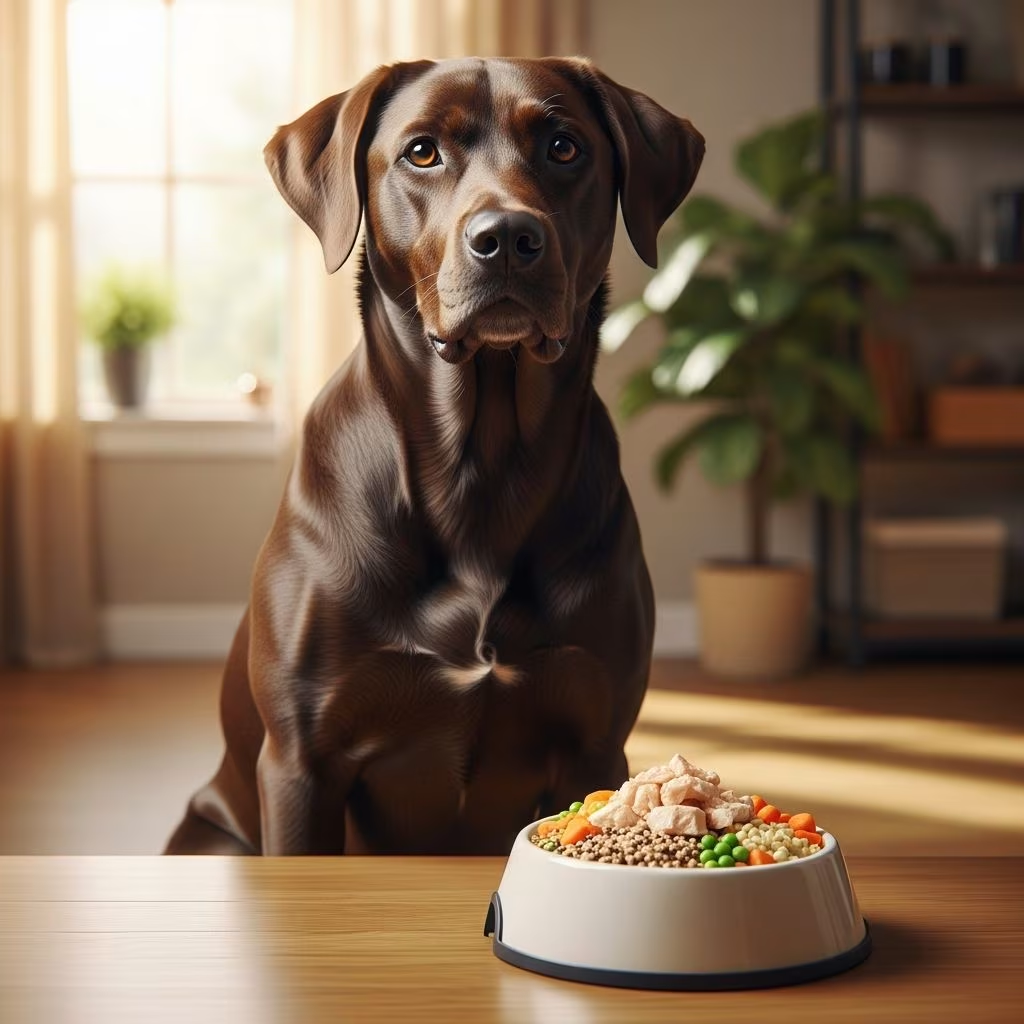
Helping an underweight dog achieve a healthy body condition requires a thoughtful approach combining proper nutrition, gradual activity increases, and professional veterinary oversight. Many dogs lose weight due to underlying health issues, inadequate calorie intake, or recovery from illness, and addressing these systematically can lead to sustainable gains.
Recognizing When Your Dog Needs to Gain Weight
Assessing your dog’s body condition is the first step in determining if weight gain is necessary. A healthy dog should have a visible waistline when viewed from above, with ribs easily palpable under a thin layer of fat but not protruding sharply. If the ribs are prominently visible, hips and spine bones are sharp to the touch, or your dog appears lethargic and weak, it may be underweight.
- Body Condition Score (BCS): Use a 9-point scale where 1-3 indicates underweight; ribs, lumbar vertebrae, and pelvic bones are visible even at a distance.
- Visual Cues: Lack of muscle tone, sunken eyes, or a tucked abdomen signal nutritional deficits.
- Behavioral Signs: Excessive hunger despite meals, poor coat quality, or reluctance to play can accompany low body weight.
Regular weigh-ins at home or the vet clinic track progress; aim for 1-2% body weight gain per week to avoid digestive upset.
Common Reasons Dogs Lose or Fail to Gain Weight
Weight loss in dogs often stems from a mix of dietary, environmental, and medical factors. Identifying the root cause prevents ineffective interventions.
| Cause Category | Examples | Associated Symptoms |
|---|---|---|
| Dietary | Insufficient calories, poor-quality food, parasites | Hunger pangs, pot-bellied appearance, diarrhea |
| Medical | Diabetes, gastrointestinal disorders, dental pain | Increased thirst, vomiting, reluctance to eat |
| Lifestyle | High activity without matching intake, stress | Muscle wasting, anxiety, reduced appetite |
Older dogs or certain breeds like Greyhounds naturally have lean builds, so consult breed standards before intervening.
Nutritional Strategies for Healthy Weight Gain
Enhancing calorie density while maintaining balance is key. Transition to high-quality, nutrient-rich foods formulated for weight gain, rich in proteins and fats.
- Increase Meal Frequency: Offer 3-4 smaller meals daily to boost intake without overwhelming the stomach.
- Calorie Boosters: Add vet-approved toppers like olive oil (1 tsp per 10 lbs body weight), pumpkin, or boiled chicken to kibble.
- High-Protein Diets: Select foods with 30%+ protein from animal sources to support muscle rebuilding.
- Hydration Focus: Wet food or broth-mixed kibble encourages eating in picky dogs.
Monitor for allergies; sudden food changes can exacerbate issues. Track daily intake: calculate resting energy requirements (RER = 70 x (body weight in kg)^0.75) and multiply by 1.2-1.6 for weight gain targets.
Role of Exercise in Building Lean Mass
Contrary to intuition, light exercise stimulates appetite and promotes muscle over fat gain. Start slow to prevent fatigue.
- Daily Walks: 20-30 minutes of brisk walking builds stamina without exhaustion.
- Play Sessions: Fetch or gentle tug-of-war engages muscles and boosts metabolism.
- Swimming: Low-impact for joint-friendly calorie burn and appetite stimulation.
Aim for gradual increases; combine with feeding post-exercise to capitalize on hunger.
Veterinary Interventions and Monitoring
Always rule out medical causes first. Bloodwork can detect hypothyroidism, where low thyroid hormones slow metabolism, or diabetes causing poor nutrient absorption. Vets may prescribe appetite stimulants or dewormers if parasites are present.
Follow-up visits every 2-4 weeks ensure safe progress. X-rays or ultrasounds identify internal issues like tumors mimicking leanness.
Special Considerations for Puppies, Seniors, and Breeds
Puppies need frequent, high-calorie meals for growth; seniors benefit from joint-supportive formulas with omega-3s. Lean breeds like Whippets require tailored plans to avoid overfeeding.
- Puppies: Free-choice feeding of puppy growth formulas until 6 months.
- Seniors: Senior diets with added fats and probiotics for digestion.
- Post-Spay/Neuter: Metabolism dips; adjust calories accordingly.
Potential Pitfalls and How to Avoid Them
Rapid weight gain risks pancreatitis or skeletal issues in growing dogs. Stick to vet-approved rates and watch for vomiting or bloating.
Human foods like fatty scraps can cause imbalances; prioritize canine-specific nutrition.
FAQs on Dog Weight Gain
What should I feed my skinny dog?
Opt for high-fat, high-protein kibble or wet food; add safe toppers like yogurt or eggs after vet approval.
How long does it take for a dog to gain weight?
Expect 1-2 pounds per month safely; faster gains warrant vet checks.
Can underweight dogs have treats?
Yes, but limit to 10% of calories; choose low-calorie options like carrots or training treats.
Is my dog underweight if ribs are visible?
Yes, if easily seen from afar; palpable but not visible is ideal.
When to worry about weight loss?
Over 10% body weight in weeks, or with symptoms like diarrhea—see a vet immediately.
Success Stories and Long-Term Maintenance
Owners report transformations with consistent plans: a 20-lb rescue gained 5 lbs in two months via calorie-dense meals and walks. Maintain with annual BCS checks and lifestyle tweaks.
References
- Obesity in Dogs: Signs, Causes, and Treatment — PetMD. 2023. https://www.petmd.com/dog/conditions/digestive/obesity-dogs
- Weight Gain in Dogs: Why Is My Dog Gaining Weight? — WebMD. 2024-01-15. https://www.webmd.com/pets/dogs/dog-gaining-weight
- Is My Dog Fat Or Is It A Thyroid Problem? — HAH Pets. 2023. https://www.hahpets.com/articles/592338-is-my-dog-fat-or-is-it-a-thyroid-problem
- Obesity in dogs — PDSA. 2024. https://www.pdsa.org.uk/pet-help-and-advice/pet-health-hub/conditions/obesity-in-dogs
- Why is My Dog Gaining Weight? — Positive Pets Boise. 2023. https://www.positivepetsboise.com/dog-gaining-weight/



