

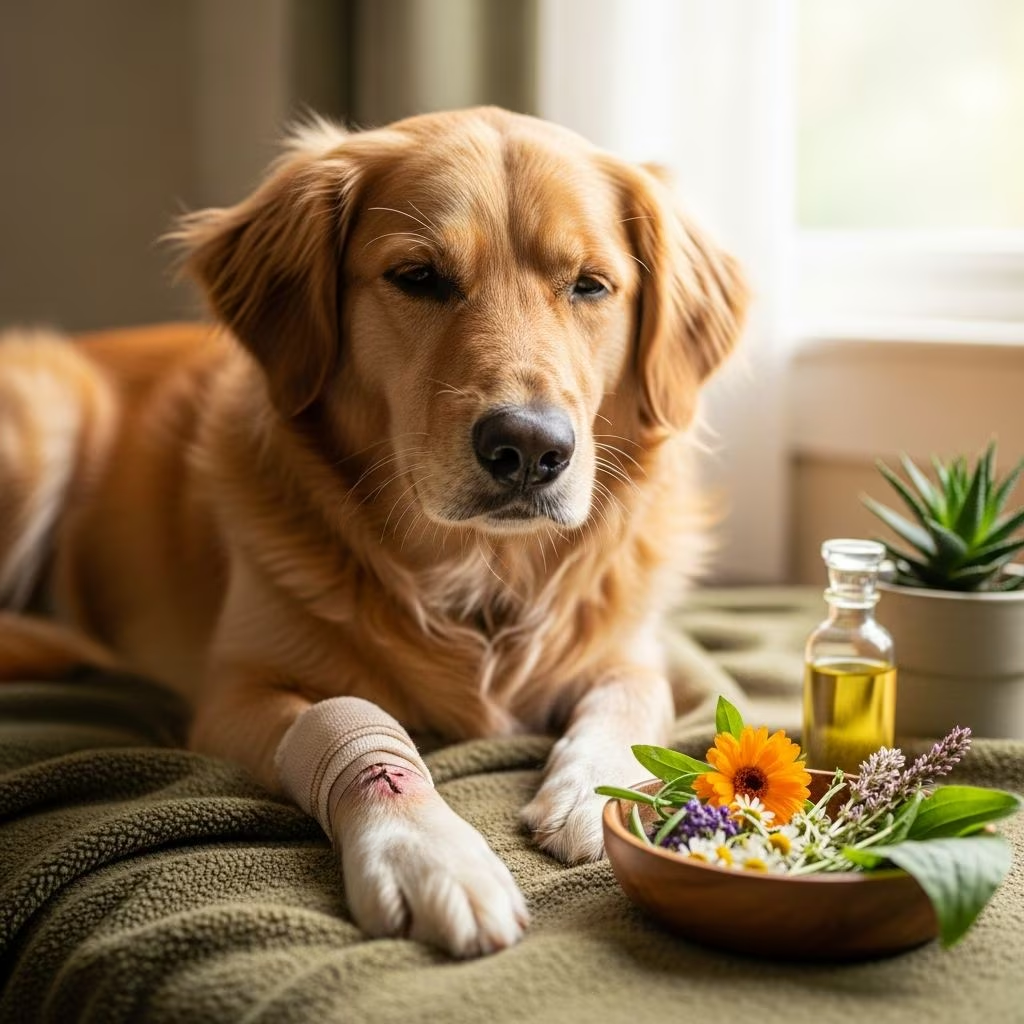
Dogs frequently encounter injuries from play, accidents, or outdoor adventures, ranging from minor scrapes to deeper cuts. Natural approaches can significantly enhance healing by cleansing wounds, reducing inflammation, and supporting tissue regeneration without relying solely on synthetic medications. These methods draw from time-tested herbal and nutritional supports that promote a moist healing environment and bolster the body’s repair mechanisms.
Understanding the Healing Process in Canine Wounds
Wound healing in dogs progresses through distinct phases: hemostasis to stop bleeding, inflammation to combat infection, proliferation for new tissue growth, and remodeling for strength. Maintaining moisture is crucial, as dry wounds heal slower and risk cracking. Natural remedies excel here by providing gentle antiseptics and nutrients that align with these stages.
Key factors influencing recovery speed include wound cleanliness, the dog’s overall health, nutrition, and prompt intervention. Puncture wounds demand extra caution due to infection risk from embedded debris, while superficial abrasions respond well to topical applications.
Essential Steps for Initial Wound Management
Begin with stopping any bleeding by applying firm pressure using a clean cloth for 5-10 minutes. Rinse the area immediately with cool water or saline to remove dirt and bacteria. Avoid hydrogen peroxide, as it damages healthy cells.
- Assess severity: Superficial wounds under 1 inch can often be managed at home; deeper or gaping ones require veterinary stitching.
- Clip fur: Trim surrounding hair to prevent contamination.
- Monitor signs: Redness, swelling, pus, or lethargy signal professional care needs.
Herbal Teas and Rinses for Gentle Cleansing
Herbal infusions serve as mild antiseptics and soothers, ideal for flushing debris without irritation. Brew strong teas using skin-friendly herbs, cool them, and apply via spray or soak.
Popular choices:
- Calendula: Antimicrobial and promotes granulation tissue; use flowers for infusions.
- Chamomile: Reduces itching and inflammation; German or Roman varieties work best.
- Lavender: Calms pain and fights bacteria; steep leaves or blossoms.
- Comfrey: Accelerates cell growth but avoid on deep punctures due to potential toxin trapping.
- Plantain: Draws out irritants and heals minor cuts.
Preparation guide: Combine 2 teaspoons dried herb (or 2 tablespoons fresh) per cup boiling water. Steep covered until cool, strain, and store refrigerated for up to a week. Apply 2-4 times daily. Enhance with 2 tablespoons unrefined sea salt per half cup for added drawing power.
Advanced Topical Applications for Tissue Repair
Beyond rinses, targeted topicals deliver concentrated healing. Hydrosols—aromatic waters from steam distillation—offer gentle potency.
| Remedy | Benefits | Application Tips |
|---|---|---|
| Medical-Grade Honey | Antibacterial, moistens, debrides dead tissue | Apply thin layer 1-2x daily; cover if licking |
| Aloe Vera Gel (Pure) | Soothes, anti-inflammatory | Dab directly; ensure 100% additive-free |
| Tamanu Oil | Regenerates skin, heals burns/rashes | Dilute 50/50 with carrier oil |
| Calendula Infused Oil | Fills gaps, antimicrobial | Mix dry flowers with oil, infuse 6 weeks |
| Hydrosols (Lavender, Helichrysum) | Antiseptic, reduce scarring | Spray liberally; refrigerate |
Vinegar tonics add astringency: Infuse organic cider vinegar with rosemary, sage, or citrus peels for a month, then dilute 1:1 with water for rinses.
Internal Support: Supplements to Accelerate Recovery
Healing starts from within. Enzymes break down damaged tissue, while nutrients fuel repair.
- Colostrum Powder: Apply as paste or ingest; rich in growth factors.
- Systemic Enzymes: Taken orally on empty stomach to reduce inflammation.
- Omega-3s: From fish oil to curb swelling.
- Vitamin C & Zinc: Boost collagen; dog-safe doses via food or supps.
Aim for a nutrient-dense diet with bone broth for amino acids and minerals during recovery.
Preventing Licking and Protecting the Wound
Dogs instinctively lick wounds, introducing saliva bacteria. Use e-collars, inflatable collars, or bitter sprays. For minor sites, distract with toys during application. Dressings like non-stick gauze with herbal soaks keep moist without sticking.
Common Wound Types and Tailored Natural Protocols
Scrapes/Abrasions: Rinse with chamomile tea, apply honey, reapply aloe.
Punctures: Flush deeply with saline, use yarrow for clotting, monitor closely.
Post-Surgery: Hydrosol sprays, colostrum paste, internal enzymes.
Burns: Cool first, tamanu oil, lavender compress.
Safety Guidelines and When to Seek Veterinary Help
Natural remedies suit minor issues but aren’t cures. Contraindications: Avoid comfrey internally; test oils for allergies. Consult vets for systemic illness signs.
- Red streaks, foul odor, fever: Emergency.
- Non-healing after 7 days: Re-evaluate.
- Diabetes/immunosuppressed dogs: Vet-first.
Building a Natural Dog First Aid Kit
Stock these essentials:
- Herbal teas (dried blends).
- Honey, aloe, oils.
- Hydrosols, saline.
- Colostrum, enzymes.
- Gauze, tape, scissors, cone.
Rotate stock for freshness; learn from vet-approved resources.
Frequently Asked Questions
Can I use coconut oil on dog wounds?
Yes, in moderation for moisturizing; its lauric acid offers mild antibacterial action but pair with stronger antiseptics.
Is tea tree oil safe for dogs topically?
Diluted hydrosol yes; pure essential oil no—toxic if ingested.
How often should I clean a dog’s wound?
2-4 times daily initially, tapering as it improves.
What if my dog won’t stop licking?
Elizabethan collar or herbal bitter sprays; distract during apps.
Does nutrition impact wound healing?
Absolutely—protein, vitamins A/C/E, zinc are vital for collagen.
Long-Term Strategies for Resilient Canine Skin
Prevent recurrence with padded boots for rough terrain, regular paw checks, and supplements like biotin for skin strength. A whole-foods diet minimizes inflammatory responses, priming for quick recoveries.
Integrating these practices empowers owners to handle injuries confidently, reducing vet visits for minors while respecting professional boundaries.
References
- Treating Dog Wounds Naturally: Safe and Unsafe Methods — Sustainable Vet. 2023. https://www.sustainablevet.org/blog/treating-dog-wounds-naturally-safe-and-unsafe
- Natural Remedies for Cleaning Dog Wounds — Whole Dog Journal. 2024. https://www.whole-dog-journal.com/health/natural-remedies-for-accelerated-wound-healing-in-dogs/
- [Updated] Treating Dog Wounds: Natural Options For Open Wounds — Dogs Naturally Magazine. 2024. https://www.dogsnaturallymagazine.com/natural-treatment-options-for-open-wounds/
- Natural Antiseptic for Dog Wounds — Pet Natural Remedy. 2023. https://www.petnaturalremedy.com/blogs/read-our-blogs/topical-remedies-for-cleaning-dog-wounds-1
- Herbal First Aid For Dogs: Best Herbal Remedies — The Natural Dog Store. 2024. https://thenaturaldogstore.com/blogs/health/first-aid-for-dogs
- Dog Wound Care: How to Clean and Treat Dog Wounds at Home — PetMD. 2025-03-15. https://www.petmd.com/dog/general-health/dog-wound-care-how-to-clean-treat-dog-wounds-at-home



