

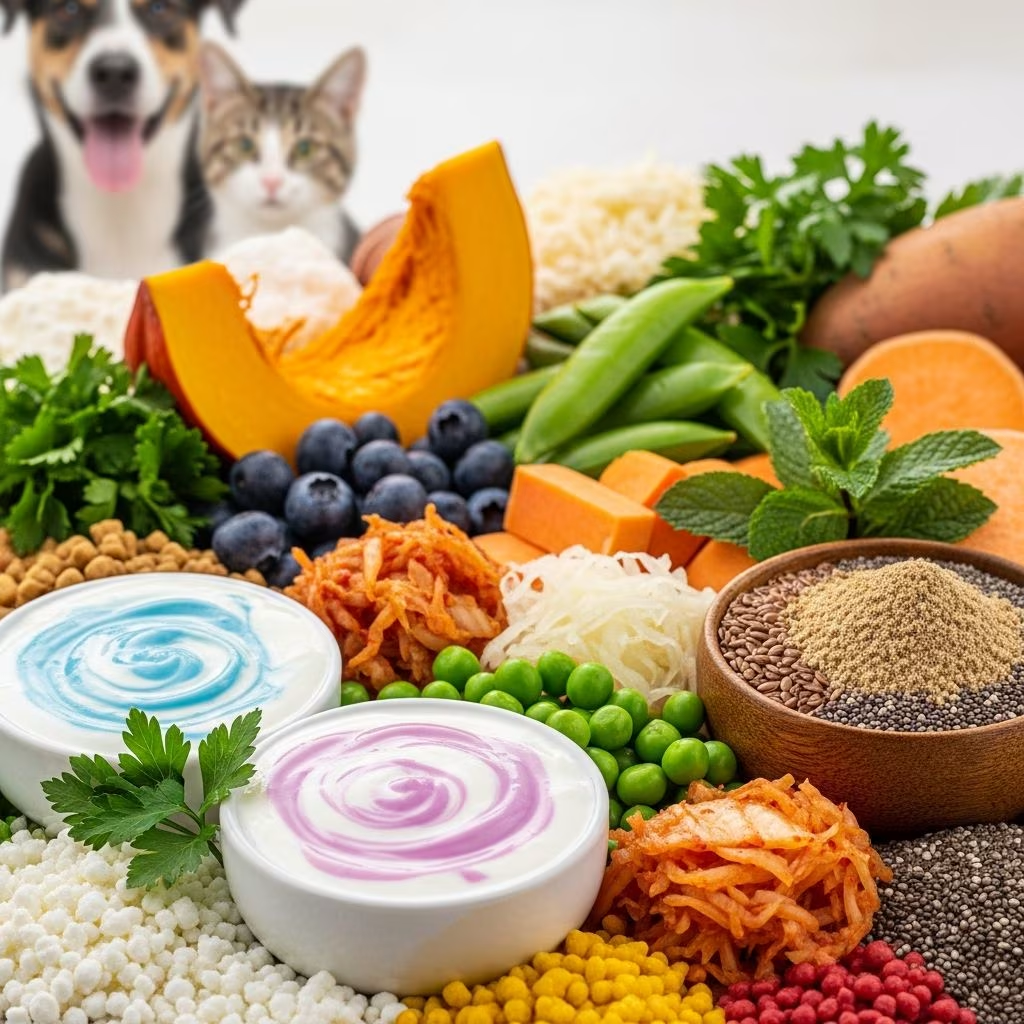
The digestive system in dogs plays a pivotal role in their overall well-being, influencing everything from nutrient uptake to immune function and even behavioral patterns. When gut health falters, pets may experience frequent bouts of diarrhea, persistent gas, or chronic inflammation, leading to discomfort and reduced quality of life. Fortunately, advancements in veterinary nutrition offer targeted solutions like probiotics and digestive enzymes that restore balance and promote resilience in the gastrointestinal tract.
Understanding the Canine Gut Microbiome
The gut microbiome refers to the vast community of microorganisms residing in a dog’s intestines, comprising bacteria, fungi, and other microbes that aid in food breakdown, pathogen defense, and vitamin synthesis. Disruptions from antibiotics, dietary shifts, or stress can imbalance this ecosystem, resulting in digestive upset. Research highlights that a diverse, healthy microbiome correlates with stronger immunity and better mental health in pets.
Veterinarians emphasize maintaining this microbial harmony through daily support. Probiotics—live beneficial bacteria—repopulate the gut with good strains, while prebiotics nourish them, and postbiotics provide additional metabolic benefits. This multi-faceted approach, known as synbiotics, enhances efficacy by ensuring microbes thrive in the harsh stomach environment.
Common Digestive Challenges in Dogs
Dogs face various gut issues, often stemming from diet, age, or underlying conditions. Acute diarrhea might follow dietary indiscretion or infections, whereas chronic problems like inflammatory bowel disease (IBD) involve ongoing inflammation and malabsorption. Sensitive stomachs react poorly to certain proteins, causing vomiting or loose stools, and pancreatic insufficiency hampers enzyme production, leading to nutrient deficiencies.
- Diarrhea: Short-term from stress or pathogens; chronic signals deeper issues.
- Gas and Bloating: Linked to fermentation imbalances in the gut.
- IBD: Immune-mediated inflammation requiring long-term management.
- Food Intolerances: Common in raw or home-cooked diets lacking balance.
Early intervention prevents escalation, with supplements proving effective alongside veterinary care.
Key Ingredients for Digestive Support
Effective supplements feature specific strains and high colony-forming units (CFUs). Veterinarians recommend 1-10 billion CFUs daily for dogs, prioritizing strains like Enterococcus faecium, Bifidobacterium bifidum, and Lactobacillus species proven for canine use.
| Ingredient Type | Benefits | Example Strains |
|---|---|---|
| Probiotics | Restore microflora, reduce diarrhea | Enterococcus faecium, Bifidobacterium longum |
| Prebiotics | Feed good bacteria | Inulin, FOS |
| Postbiotics | Metabolites for anti-inflammatory effects | Short-chain fatty acids |
| Digestive Enzymes | Break down proteins, fats, carbs | Protease, Lipase, Amylase |
Products combining these, such as those with microencapsulation, ensure bacteria survive gastric acids.
Top Veterinary-Recommended Probiotic Options
Several formulations stand out for reliability and efficacy. Nutramax Proviable-DC, with seven strains and prebiotics, addresses both acute and chronic GI woes, verified by independent testing. Purina Pro Plan FortiFlora, the top vet-recommended brand, targets diarrhea with a single proven strain and immune boosters, suitable for puppies and adults.
For high-potency needs like IBD, Visbiome Vet delivers 225 billion CFUs per packet, backed by studies on its predecessor VSL#3. Chews like Greenies Digestive Health incorporate a biotic blend for palatability, while powders such as Rx Biotic offer customizable dosing for raw-fed dogs.
Incorporating Enzymes for Optimal Digestion
Beyond probiotics, enzymes tackle breakdown deficiencies. Pets with exocrine pancreatic insufficiency (EPI) or IBD benefit from blends like NutriGest, containing protease for proteins, lipase for fats, and amylase for carbs. These supplements mimic natural pancreatic output, improving nutrient absorption and stool consistency.
Enzyme therapy pairs well with probiotics; for instance, Rx Zyme supports severe cases, while Bacillus coagulans provides stable, shelf-friendly probiotic action.
Practical Tips for Administering Supplements
Success hinges on consistent, correct use. Sprinkle powders on moist food, hide capsules in treats, or opt for flavored chews. Start with vet-recommended doses based on weight—typically one packet daily for FortiFlora—and monitor for two weeks.
- Consult your vet for tailored advice, especially with medications.
- Store properly: Refrigerate most, though stable strains like Bacillus coagulans tolerate room temperature.
- Combine with bland diets during flares.
- Track symptoms via a journal to adjust as needed.
No prescription is needed for many, but professional guidance ensures safety.
Potential Benefits Beyond Digestion
Gut support extends to immunity, skin, and mood. Balanced flora bolsters 70% of immune cells in the gut, reducing allergies and infections. Probiotics aid post-antibiotic recovery, preventing secondary issues. Studies link microbiome health to reduced anxiety, making these supplements holistic wellness tools.
Safety Considerations and Side Effects
High-quality probiotics rarely cause issues, but avoid in severely immunocompromised dogs. Initial mild gas may occur as flora adjusts. Disclose all ingredients, like animal digests in some flavors, to allergy-prone pets. Always source from reputable brands with NASC seals.
FAQs on Pet Digestive Supplements
What dosage of probiotics suits most dogs?
1-10 billion CFUs daily, scaled by weight; vet confirmation ideal.
Can puppies use these supplements?
Yes, products like FortiFlora are puppy-safe.
Do probiotics cause diarrhea?
No, they’re formulated to manage it.
How long until results show?
Often 1-2 weeks for acute issues; longer for chronic.
Are enzymes necessary with probiotics?
Not always, but beneficial for maldigestion.
Storage tips?
Refrigerate unless specified otherwise; stable for short travel.
Long-Term Strategies for Gut Wellness
Prevent issues with high-fiber diets, hydration, and stress reduction. Rotate proteins to build tolerance, and consider routine probiotics for at-risk breeds. Regular vet check-ups catch problems early, integrating supplements into comprehensive care plans.
In summary, proactive gut support transforms pet health. By selecting evidence-based products and following protocols, owners foster resilient digestion and vitality.
References
- Pet Digestive Supplements – Probiotics & Gut Support — Boulder Holistic Vet. 2023. https://boulderholisticvet.com/collections/gut-digestive-health
- FortiFlora Canine Health Supplement — Purina Pro Plan Veterinary Diets. 2023. https://www.proplanvetdirect.com/canine-fortiflora-probiotic
- Greenies Supplements Digestive Probiotics for Dogs — Greenies. 2023. https://www.greenies.com/products/greenies-supplements-digestive-health-80count
- The Best Probiotics for Dogs in 2026 — Business Insider. 2026-02-01. https://www.businessinsider.com/guides/pets/best-probiotics-for-dogs
- The Power of Probiotics — Cornell University College of Veterinary Medicine. 2023. https://www.vet.cornell.edu/departments-centers-and-institutes/riney-canine-health-center/canine-health-topics/power-probiotics
- Dog Probiotic Supplements & Chews — Chewy. 2023. https://www.chewy.com/b/digestive-health-probiotics-1565



