

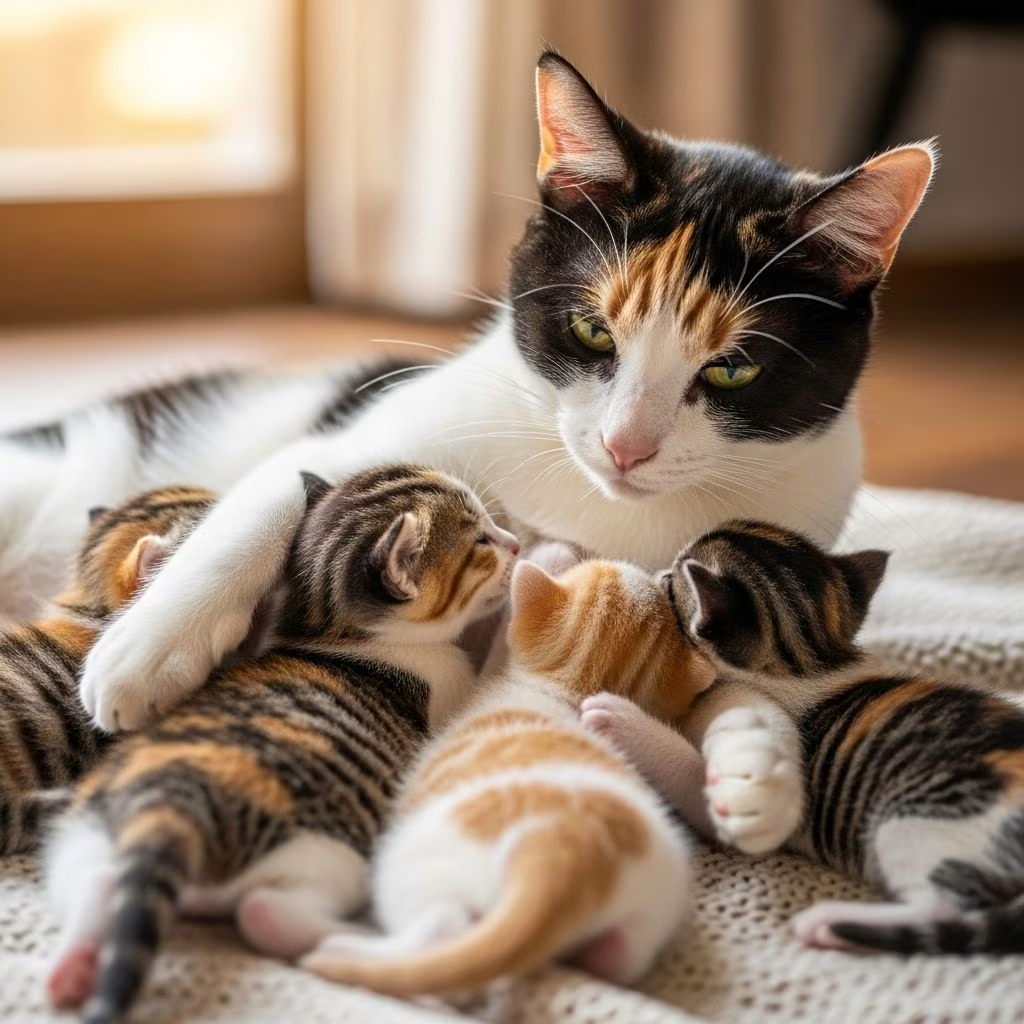
Nursing cats, or queens, experience dramatic physiological changes to produce milk for their kittens, demanding up to three times their normal energy intake. Optimizing lactation involves targeted nutrition, hydration, a stress-free setting, and vigilant health checks to support both mother and offspring.
Understanding the Lactation Process in Cats
Lactation begins shortly after birth due to a sudden drop in progesterone levels, triggering prolactin release for milk synthesis. Colostrum, the first milk rich in antibodies, transitions to mature milk higher in fats and proteins within days. Unlike dogs, cats rely more on pre-pregnancy fat reserves initially, but diet becomes critical as demands peak around weeks 3-4 postpartum.
Milk composition in cats features higher dry matter than bovine milk, with whey proteins dominating (60:40 whey-to-casein ratio), providing concentrated energy from lipids (about 40%) and proteins (50%). This supports rapid kitten growth, but production volume varies by litter size and maternal health.
Nutritional Foundations for Optimal Milk Yield
A kitten or growth-formulated diet is essential, delivering 150% more energy than maintenance levels from early gestation. These diets emphasize high-quality proteins for muscle maintenance and milk synthesis, fats for energy density, and balanced minerals like calcium and phosphorus to prevent deficiencies.
| Nutrient | Role in Lactation | Daily Requirement Increase |
|---|---|---|
| Protein | Builds milk proteins and sustains maternal tissues | 2-3x baseline |
| Fat (incl. DHA) | Energy source; aids kitten brain/vision development | High density needed |
| Calcium/Phosphorus | Bone health; eclampsia prevention (rare in cats) | Balanced ratio critical |
| Taurine | Heart, vision, reproduction support | Essential amino acid |
| Omega-3/6 Fatty Acids | Microbiome and neural growth | Moderate inclusion |
Feed free-choice or multiple meals daily for the first 4 weeks, as queens lose weight despite intake. A moderate protein-to-carbohydrate ratio fosters a diverse kitten gut microbiome, countering the myth of meat-only diets.
Hydration Strategies to Sustain Milk Flow
Cats’ desert origins make them prone to low water intake, exacerbated by lactation’s fluid demands. Mixed feeding—wet and dry food—boosts hydration via palatable moisture-rich meals. Always provide fresh water near the nest; monitor intake as dehydration directly impairs output.
- Offer wet food multiple times daily for 70-80% moisture content.
- Use shallow bowls or fountains to encourage drinking.
- Track urine output and skin elasticity for dehydration signs.
Creating a Low-Stress Environment for Better Production
Stress from noise, strangers, or disruptions elevates cortisol, suppressing prolactin. Isolate the queen and litter in a quiet, warm (85°F/29°C initial, tapering to 80°F/27°C), dimly lit space with soft bedding. Limit handling newborns to essentials.
Gradual introductions post-week 2 aid socialization without overload. Caesarean recoveries may delay let-down; veterinary oxytocin can stimulate if needed.
Recognizing and Resolving Low Milk Production
Signs include kittens crying excessively, weight stagnation post-24 hours, or wrinkled skin. Causes range from poor gestation nutrition to infections; address promptly to avoid fading kitten syndrome.
| Issue | Symptoms | Solutions |
|---|---|---|
| Malnutrition | Weight loss in queen | Switch to lactation diet immediately |
| Dehydration | Dry gums, lethargy | Mixed feeding, water additives |
| Stress | Aggression, hiding | Quiet nesting area |
| Infection/Mastitis | Swollen glands, fever | Vet antibiotics |
| Infrequent Nursing | Full udders | Ensure latching; supplement if needed |
| Large Litter | Weak kittens | Foster or formula feed extras |
Monitor weights daily: kittens should gain 10-15g/day initially. Supplemental kitten milk replacer (KMR) via tube or bottle bridges gaps; never cow’s milk.
Gestation’s Role in Lactation Success
Prepartum energy boosts from mating onset build fat reserves cats mobilize first. Poor pregnancy feeding yields agalactia; plan diets accordingly for breeders.
Health Monitoring and Veterinary Interventions
Regular vet checks screen for metritis, hypocalcemia (eclampsia, rare), or anemia. Bloodwork assesses prolactin/hormones if delayed let-down occurs post-C-section. Oxytocin injections mimic nursing reflexes for let-down.
Peak demands hit week 6, aligning with weaning starts. Gradually separate kittens daytime from weaning week to dry milk naturally.
Supplementation and Formula Options
For insufficient supply, commercial kitten formulas mimic cat milk (high protein/fat, low lactose). Feed orphans every 2 hours initially, warming to body temp. Wean to gruel at 4 weeks.
- Choose AAFCO-approved kitten formulas.
- Avoid goat/cow milk due to digestive upset.
- Stimulate urination/defecation manually in young kittens.
Weaning and Post-Lactation Recovery
Milk declines as kittens eat solids (week 4+). Reduce queen’s food 1-2 days pre-weaning, separate overnight, then fully. She regains pre-mating weight by end; transition to adult diet.
Breeder Best Practices for Future Litters
Select queens from high-producing lines; track litter outcomes. Genetic predisposition influences yield alongside management. Annual health screens optimize fertility.
Frequently Asked Questions (FAQs)
How much should a nursing cat eat daily?
2-3 times maintenance calories, or 200-300 kcal/kg body weight, adjusted for litter size. Free-feeding prevents shortages.
Can stress really stop milk production?
Yes, cortisol disrupts hormones; minimize disturbances for best results.
What if kittens aren’t gaining weight?
Check latching, supplement formula, and consult vet for maternal issues.
Is wet food better for lactating cats?
Absolutely, for hydration and palatability, combined with dry for balance.
When does milk production peak?
Weeks 3-4, with energy needs highest at week 6.
Key Takeaways for Cat Owners
- Prioritize growth diets from gestation.
- Ensure constant fresh water and mixed feeding.
- Maintain calm environments.
- Weigh kittens daily; intervene early.
- Partner with vets for complex cases.
References
- The Ultimate Guide to Lactation in Cats — Dr. Emmanuel Fontaine. 2024-05-14. https://dremmanuelfontaine.com/2024/05/14/lactation-in-cats/
- Lactation in domestic carnivores — PMC – NIH. 2023. https://pmc.ncbi.nlm.nih.gov/articles/PMC10266749/
- Late milk flow in female cats — Nourrinou Bibi. N/A. https://nourrinou-bibi.com/en/late-milk-flow-in-female-cats/
- Nutrition for Pregnant and Lactating Cats — Purina Institute. N/A. https://www.purinainstitute.com/centresquare/life-stage-nutrition/nutrition-for-pregnant-and-lactating-cats-and-their-nursing
- Management of Reproduction of Cats — Merck Veterinary Manual. N/A. https://www.merckvetmanual.com/cat-owners/reproductive-disorders-of-cats/management-of-reproduction-of-cats
- Feeding the Nursing Cat — VCA Animal Hospitals. N/A. https://vcahospitals.com/know-your-pet/feeding-the-nursing-cat



