
Boosting Canine Athletes with Herbal Support
Discover how natural herbs can enhance focus, stamina, and recovery for dogs in agility, scent work, and endurance sports.
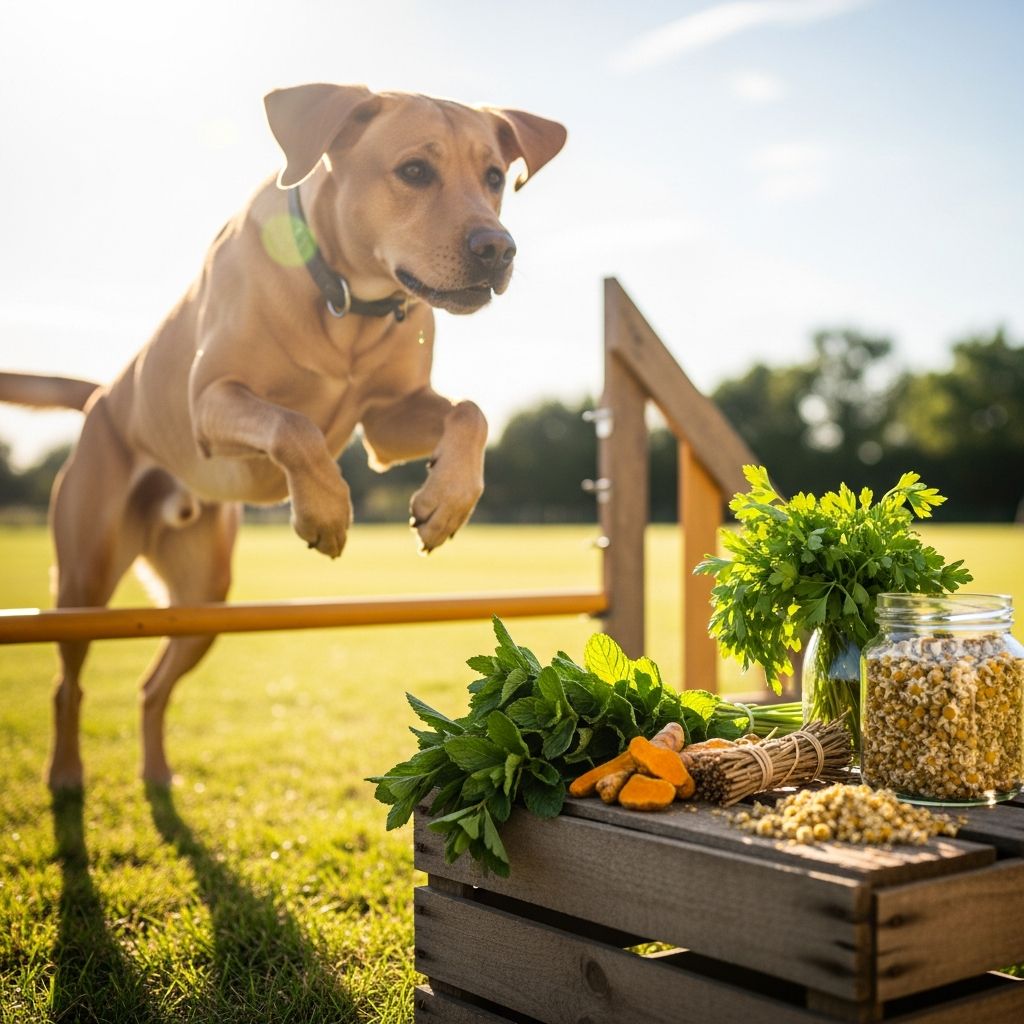
Competitive dogs push their bodies and minds to the limit in events ranging from agility courses to scent detection trials and long-distance tracking. Owners seek safe ways to give their pets an edge, and herbal remedies offer a natural approach to enhance mental sharpness, physical endurance, and overall resilience. These plant-based aids nourish the nervous system, support joint mobility, and promote recovery without the risks of synthetic stimulants.
Understanding Herbs’ Role in Canine Performance
Herbs have been used for centuries to support animal health, and modern applications focus on their adaptogenic, nervine, and tonic properties. Adaptogens help dogs adapt to physical and mental stress, while nervines calm nerves to improve focus. Research on working dogs shows these plants can improve endurance by optimizing energy metabolism and reducing fatigue markers.
For high-performance canines, herbs address key needs: sustained energy, quick recovery, stress management, and injury prevention. Unlike quick-fix supplements, herbs work gradually, building resilience over time when introduced properly.
Enhancing Mental Focus and Learning Ability
Dogs in obedience, agility, or herding competitions need unwavering attention amid distractions. Certain herbs act as cognitive enhancers by improving cerebral blood flow and nerve function.
- Gotu Kola (Centella asiatica): Boosts memory and circulation, aiding clear thinking during training sessions.
- Ginkgo (Ginkgo biloba): Enhances brain oxygenation, potentially sharpening response times.
- Rosemary (Rosmarinus officinalis): Supports mental clarity and acts as a mild stimulant for alertness.
Combine these with calming nervines like valerian (Valeriana officinalis) or chamomile (Matricaria chamomilla) 30-60 minutes before events. A simple tea or tincture blend—equal parts valerian and gotu kola—can prevent hyperactivity and promote concentration. Start weeks in advance to avoid sensory overload.
Optimizing Scent Detection and Tracking Skills
Scent work demands precise olfaction and stamina. Memory tonics like ginkgo, gotu kola, and rosemary may amplify nasal sensitivity by improving vascular flow. Pair them with mild stimulants:
- Cayenne (Capsicum frutescens): In tiny doses, increases circulation without overwhelming the senses.
- Ginger (Zingiber officinale): Warms the body and supports steady energy release.
Administer in capsule form 30 minutes prior, repeating after two hours if needed. Add chamomile for focus. Gradual introduction ensures the dog’s nose adapts without distraction.
Managing Stress for Peak Performance
Travel, crowds, and competition pressure can unsettle even seasoned dogs. Nervine herbs soothe without sedation:
| Herb | Key Benefits | Dosage Timing |
|---|---|---|
| Skullcap (Scutellaria lateriflora) | Reduces anxiety, promotes calm focus | 30 min before stress |
| Passionflower (Passiflora incarnata) | Eases nervousness, aids sleep recovery | Evening or pre-event |
| Hops (Humulus lupulus) | Relaxes muscles, counters overstimulation | With meals |
| Oatstraw (Avena sativa) | Nourishes nerves long-term | Daily tonic |
These are ideal for boarding, trials, or new environments, helping dogs stay composed and responsive.
Building Endurance with Adaptogens
Adaptogens are powerhouse herbs that modulate stress hormones, enhance stamina, and support organ function. They’re essential for endurance sports like sledding, hunting, or long runs.
- Ginseng (Panax ginseng or P. quinquefolius): Improves blood flow, libido, and exercise capacity; studies show it spares glycogen and boosts mitochondria in muscles.
- Ashwagandha (Withania somnifera): Lowers cortisol, aids stress coping and ligament health.
- Astragalus (Astragalus membranaceus): Strengthens immunity and endurance.
- Schizandra (Schisandra chinensis): Enhances liver function and fatigue resistance.
Effects build over months; use daily in food. Research on working dogs confirms adaptogens’ safety and efficacy, extrapolated from human and lab animal studies.
Joint and Mobility Support for Active Dogs
Athletic demands strain joints, leading to stiffness or injury. Anti-inflammatory herbs provide relief:
- Boswellia (Boswellia spp.): Reduces swelling, eases arthritis pain.
- Devil’s Claw (Harpagophytum procumbens): Alleviates joint discomfort, supports recovery.
- Yucca (Yucca spp.): Lowers inflammation markers.
- White Willow Bark (Salix alba): Natural pain reliever, akin to mild aspirin.
Incorporate into a protocol with diet improvements and rest. These suit post-injury rehab too.
Improving Coat, Skin, and Digestion
A glossy coat signals vitality, vital for show dogs. Alterative herbs cleanse internally:
- Burdock Root (Arctium lappa): Detoxifies blood, promotes skin health.
- Dandelion (Taraxacum officinale): Leaf for digestion, root for liver support.
- Stinging Nettle (Urtica dioica): Mineral-rich tonic for coat shine.
Bitter herbs like feverfew stimulate gut function, indirectly enhancing appearance. Use rinses for topical relief, but prioritize internal tonics.
Practical Dosage and Preparation Tips
Always consult a vet before starting herbs, especially for puppies, seniors, or medicated dogs. General guidelines:
- Teas: Steep 1 tsp total herbs per 8 oz water; cool and mix into meals (1-2 tbsp per 20 lbs body weight).
- Tinctures: 0.25-0.5 ml per 10 lbs, twice daily.
- Powders/Capsules: Follow product labels, starting low.
Monitor for allergies; source organic, human-grade herbs. Combine thoughtfully—e.g., adaptogens with nervines for balanced support.
Scientific Backing and Safety Considerations
While anecdotal evidence abounds, studies validate benefits. A trial on hunting dogs using a nutrient blend (including B-vitamins and carnitine) improved muscle enzymes and performance scores. Adaptogen research highlights endurance gains in demanding roles. Safety is high with proper use, but avoid in pregnancy or with certain conditions.
FAQs
Can herbs replace professional training?
No, herbs support physical and mental readiness but pair with consistent training.
How long until I see results?
Acute effects in hours for nervines; weeks to months for tonics and adaptogens.
Are these herbs safe for all breeds?
Most are, but toy breeds need dose adjustments; vet approval essential.
What if my dog dislikes the taste?
Mix into wet food, broth, or use capsules; desensitize gradually.
Can I use herbs during competition?
Check rules; most natural herbs are permitted unlike synthetics.
References
- Evaluation of a performance enhancing supplement in American Brittany hunting dogs — Journal of the American Holistic Veterinary Medical Association. 2015-06-01. https://pmc.ncbi.nlm.nih.gov/articles/PMC4473135/
- Adaptogens and the Working Dog — Auburn Laboratories. Accessed 2026. https://auburnlabs.com/adaptogens-and-the-working-dog/
- Performance-Enhancing Herbs For Competitive Dogs — Whole Dog Journal. Accessed 2026. https://www.whole-dog-journal.com/training/performance-enhancing-herbs-for-competitive-dogs/
- Ask a Vet Ep. 5: What supplements should I consider for my bird dog? — Quail Forever. Accessed 2026. https://quailforever.org/BlogLanding/Blogs/Quail-Forever/Ask-a-Vet-Ep-5-What-supplements-should-I-consider-for-my-bird-dog.aspx
- Athlete – Herbsmith — Herbsmith Inc. Accessed 2026. https://www.herbsmithinc.com/athlete/
Similar Articles








Read full bio of medha deb




