

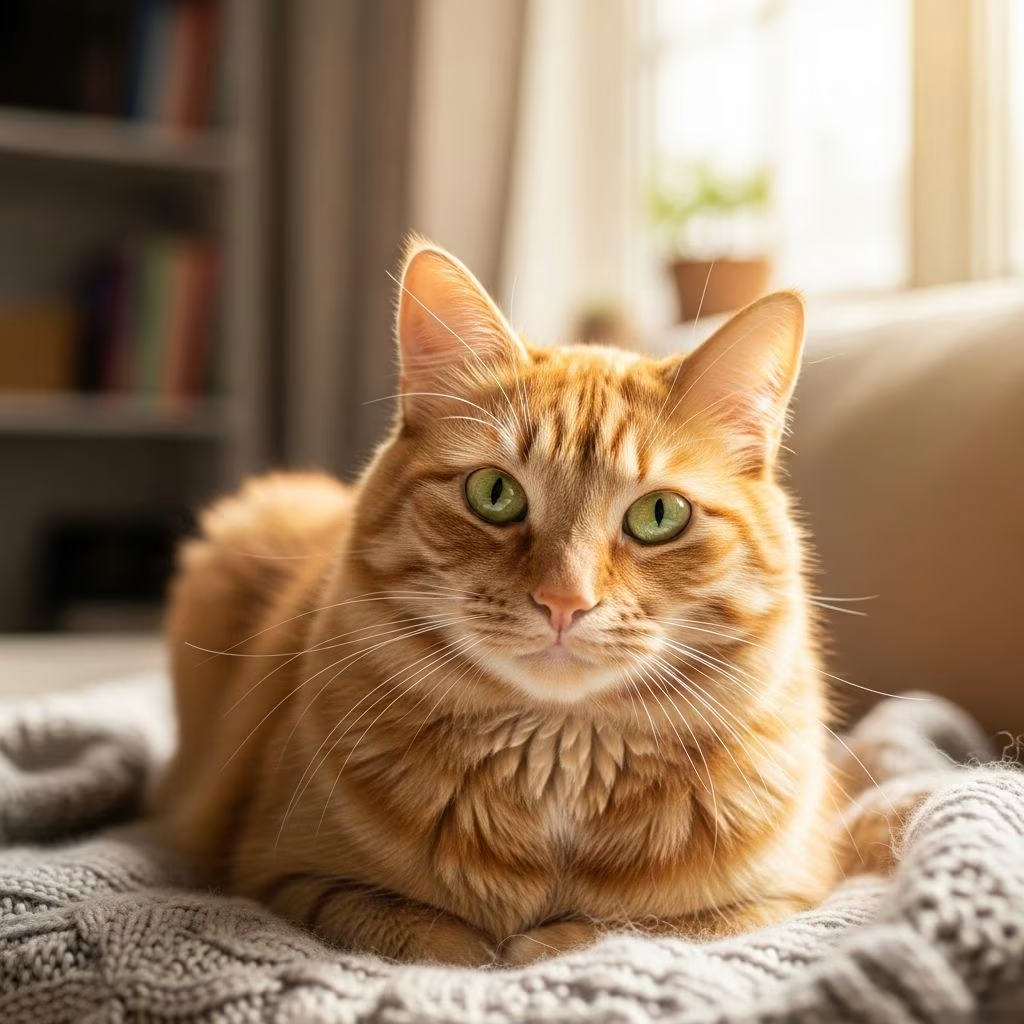
Fostering cats provides a vital lifeline for shelter animals, increasing their odds of finding permanent homes through targeted care and promotion. This guide outlines actionable steps to optimize your foster cat’s appeal to potential adopters.
Preparing Your Home for Success
Creating a dedicated foster space is the foundation of effective cat fostering. Select a quiet room, such as a bathroom or spare bedroom, to minimize stress and allow the cat to acclimate safely. Equip this area with essentials like a litter box, food and water bowls, bedding, toys, and scratching posts. For kittens, use smaller litter boxes and provide soft bedding with a stuffed toy for comfort. Ensure the space is cat-proofed by securing cords, removing toxic plants, and eliminating small objects that could pose hazards.
Position food, water, and litter accessibly near hiding spots initially, keeping bowls away from the litter area to encourage proper habits. For cats with mobility issues, like seniors or those recovering from injury, opt for low-sided litter boxes or slow-feed bowls. This setup supports health monitoring and socialization from day one.
Essential Supplies Checklist
Gathering the right supplies streamlines fostering and demonstrates preparedness to rescue organizations. Here’s a prioritized list:
- Food and hydration: High-quality wet and dry cat food per rescue guidelines, plus fresh water bowls.
- Litter essentials: Litter, box liners, scooper, and multiple boxes for groups.
- Comfort items: Beds, blankets, and carriers for transport.
- Grooming tools: Brushes, nail clippers, and cleaning supplies.
- Enrichment: Toys, scratchers, and climbing structures.
- Health aids: Thermometer, first-aid kit, and medication log.
Stocking these items upfront allows quick responses to needs, fostering a stable environment that promotes adoptable behaviors.
Health and Wellness Optimization
Prioritize veterinary care to make your foster cat immediately adoptable. Arrange spaying/neutering, vaccinations, and parasite treatments through your rescue partner, reducing adopter burdens and preventing unwanted litters. Monitor daily for signs of illness like lethargy, sneezing, or appetite changes, documenting everything for vets.
For special needs cats, such as those with fractures or obesity, adapt the environment—no jumping surfaces or specialized bowls. Indoor-only policies are non-negotiable to protect health and safety. Regular grooming enhances appearance, making the cat more photogenic and appealing.
Socialization Strategies for Adoptability
Socialized cats adopt faster. Dedicate at least two hours daily to interaction, using toys for play to build trust with shy fosters. Establish routines like scheduled feeding, playtime, and quiet decompression periods to reduce anxiety.
Introduce multiple fosters gradually with separate resources to prevent conflicts. Note personality traits—playful, cuddly, independent—to highlight in profiles. Positive experiences in foster care translate to confident demeanor, a top adopter preference.
Marketing Your Foster Cat Effectively
Visibility drives adoptions. Capture high-quality color photos showcasing the cat’s personality: lounging, playing, or napping cutely. Craft a unique name and bio with engaging stories, like “Mittens loves laser chases and lap naps!”.
Distribute flyers in vet offices, pet stores, coffee shops, and community boards. Leverage social media, rescue websites, and courtesy listings on shelter pages. For purebreds, reach breed-specific groups. Persistence pays—post weekly updates to keep momentum.
Networking with Rescues and Shelters
Collaborate with local rescues for adoption events, online postings, or bulletin boards. Share detailed cat info: age, health status, temperament, and habits. This facilitates quick placements, especially for breeds with dedicated networks.
Communicate regularly with coordinators about progress, ensuring matches align with adopter applications, which often include home details, references, and pet history.
Matching Cats to Ideal Homes
Success hinges on compatibility. Discuss adopter lifestyles via applications to pair active cats with energetic families or seniors with calm ones. Consider past pets and special needs, like low-climb setups for injured cats.
| Cat Trait | Ideal Adopter Match |
|---|---|
| Energetic Kitten | Families with playtime availability |
| Senior Lap Cat | Quiet homes seeking companions |
| Special Needs | Experienced owners with vet access |
| Independent Adult | Busy professionals |
This targeted approach minimizes returns and builds lasting bonds.
Overcoming Common Fostering Challenges
Fosters may arrive scared—patience is key. Don’t force interactions; let them emerge naturally. Adjust routines slightly for their needs, like early feeds, without disrupting your life entirely.
Emotional attachments happen; remind yourself of the goal. If issues like spraying arise, consult rescues promptly. Stay positive—your advocacy is the cat’s greatest asset.
Time and Commitment Realities
Expect daily time for feeding, cleaning, and socializing, varying by cat count and age. Families must align, with pets vaccinated and healthy. On-deck readiness means quick pickups. Track everything to support adoptions seamlessly.
Getting Started as a Foster
Research local rescues, apply, attend orientations, and prepare your space. Receive your cat with full briefings on needs and history. Maintain open communication for support.
Frequently Asked Questions
What if my foster cat has medical issues?
Follow vet protocols, log symptoms, and update the rescue. Many groups cover costs.
How long does fostering typically last?
Varies from weeks to months; commit fully for the cat’s stability.
Can I foster with my own pets?
Yes, if they’re healthy and introductions are gradual.
What makes a cat adoptable quickly?
Good health, socialization, and strong promotion.
Is fostering free?
Rescues often supply basics; your time is the main investment.
Long-Term Impact of Fostering
Your efforts save lives and free shelter space. Each adoption inspires more fostering, creating a cycle of compassion. Persistence and creativity turn strays into cherished pets.
References
- 6 Tips to Get Your Foster Cat Adopted — Alley Cat Allies. 2023. https://www.alleycat.org/community-cat-care/adoption-tips/
- Guide to Fostering Cats: What You Need to Know — Pawsitive Veterinary of Texas. 2024. https://www.pvastx.org/post/guide-to-fostering-cats-what-you-need-to-know
- The Sweet Art of Fostering — North Shore Animal League. 2021-06-01. https://www.animalleague.org/blog/beths-blog/sweet-art-of-fostering-june2021/
- Foster Cats 101: Your First Foster — Set Up & What to Expect — Preventive Vet. 2023. https://www.preventivevet.com/cats/setting-up-your-foster-cat-space
- ASPCApro Feline Foster Care Guide — ASPCA. 2022. https://www.aspcapro.org/sites/default/files/aspcapro-feline-foster-care-guide.pdf
- 10 Do’s And Don’ts When Preparing For Your First Foster Pet — Dallas Pets Alive. 2023. https://dallaspetsalive.org/10-dos-and-donts-when-preparing-for-your-first-foster-pet/



