

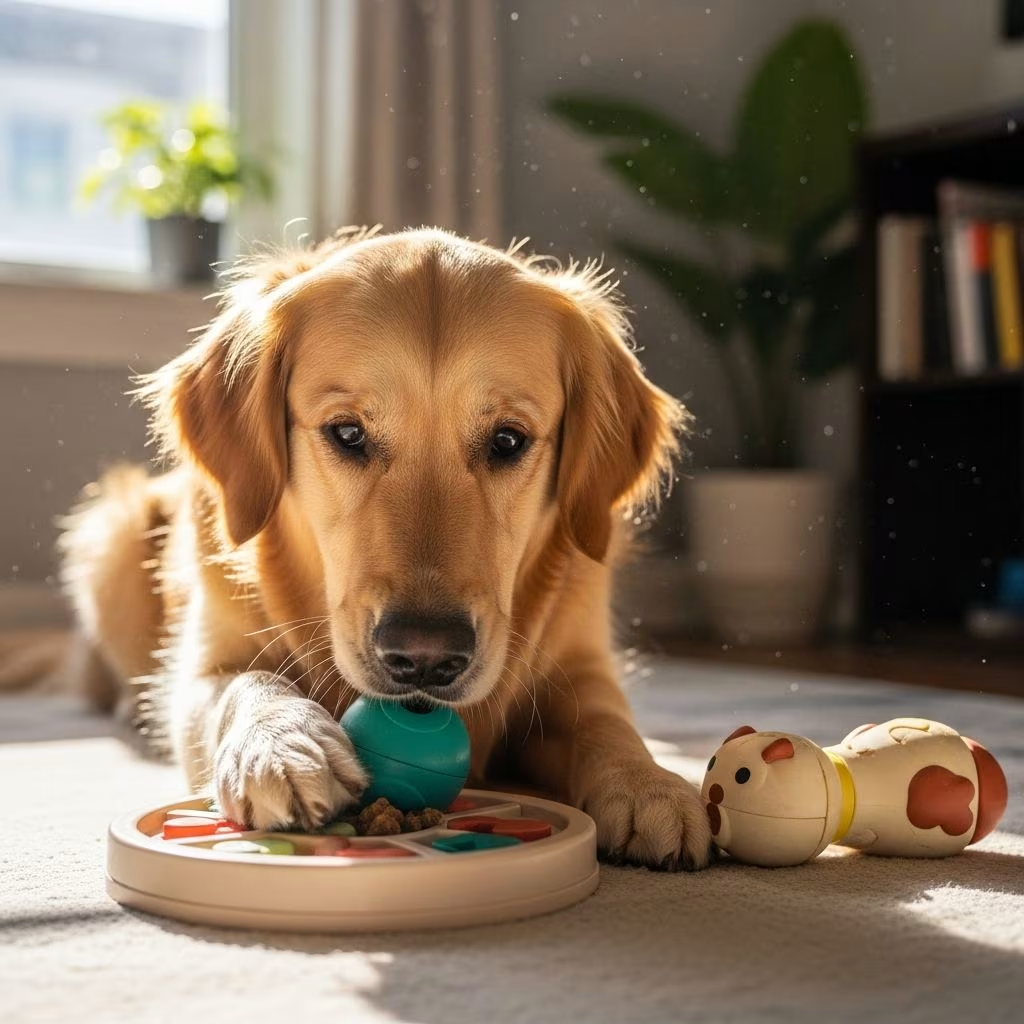
Providing mental stimulation is crucial for a dog’s overall health, helping to prevent boredom, destructive behaviors, and anxiety while promoting cognitive development. Dogs thrive on activities that engage their senses, problem-solving abilities, and instincts, much like physical exercise tires the body.
Why Mental Workouts Matter for Canines
Dogs possess highly developed brains that require regular challenges to stay sharp. Engaging their minds through targeted activities releases dopamine, reduces stress, and mimics natural foraging behaviors. Research shows that scent work alone can lower a dog’s heart rate and elevate mood by triggering positive brain chemicals.
Mental fatigue often proves more exhausting than physical exertion, leading to calmer pets at home. Without sufficient brain games, dogs may chew furniture, bark excessively, or pace restlessly. Incorporating daily mental exercises strengthens the bond with owners and supports long-term behavioral health.
Harnessing the Power of a Dog’s Nose
A dog’s sense of smell is thousands of times more powerful than a human’s, making olfactory games prime for stimulation. Scent-based activities tap into ancestral hunting instincts, providing deep satisfaction.
- Scent Trails: Scatter kibble or treats in a yard or room, encouraging your dog to track scents. Start simple and increase complexity by layering smells.
- Dedicated Sniff Walks: Choose routes with abundant grass and trees. Allow 15-20 minutes of unrestricted sniffing, prioritizing quality over distance to maximize dopamine release.
- Snuffle Mats: Hide treats in fabric pockets; dogs must nose through layers, combining foraging with patience training.
These exercises suit all ages and breeds, with sighthounds benefiting from sniffing breaks after chases and toy breeds excelling in compact indoor versions.
Interactive Toys That Challenge the Mind
Puzzle toys transform mealtime into brain workouts, requiring manipulation to dispense food. They slow eating, prevent gulping, and occupy dogs for extended periods.
| Toy Type | Description | Best For |
|---|---|---|
| Treat-Dispensing Balls | Roll or paw to release kibble | High-energy dogs |
| Puzzle Feeders | Lift flaps or slide panels for food | Food-motivated pups |
| Snuffle Mats | Forage treats from textures | Indoor calm sessions |
Rotate toys weekly to maintain novelty, as familiarity reduces interest. For winter days, these keep pets engaged without outdoor access.
Classic Games: Hide-and-Seek and Find It
Hide-and-seek builds recall and critical thinking. Have a helper hold your dog or use a ‘stay’ command while you conceal yourself, then call out. Progress from easy spots to creative hides, rewarding discovery with play or treats.
The ‘Find It’ variant works solo: Confine your dog, hide items scented on your hand, then release with the cue. Begin obviously, advancing difficulty for ongoing challenge. Both games sharpen noses and reasoning, ideal for rainy days.
- Pro Tip: Use high-value rewards like frozen treats—blend yogurt and fruit, freeze in toys for prolonged licking.
Training Sessions as Brain Boosters
Short, positive reinforcement sessions teach new skills, enhancing focus and obedience. Limit to 10-15 minutes to avoid frustration.
- Review basics: Sit, stay, down.
- Advance to tricks: Spin, paw, crawl.
- Incorporate on walks: Practice amid distractions.
For impulse control, try ‘release and run’: Dog stays, you back away with a toy, release cue prompts chase. Repeat for recall improvement. Tailor to breed—toy dogs love hand-touch games like high-fives.
Feeding Innovations for Mental Engagement
Scatter feeding mimics wild scavenging: Hide dry food piles around safe areas post-confinement. Snuffle mats concentrate this on one surface.
Frozen kong recipes—stuff with peanut butter, kibble, freeze—extend enjoyment. These methods ensure every meal stimulates, supporting ASPCA-recommended enrichment.
Tailoring Activities by Breed and Age
Match games to traits for optimal results.
| Breed Group | Ideal Activities |
|---|---|
| Toy Breeds | Hand tricks, small puzzles |
| Sighthounds | Chase bursts + sniff |
| Working Breeds | Obstacle courses, advanced training |
| Seniors | Gentle scents, short sessions |
Puppies need frequent short bursts; adults handle longer challenges. Observe preferences to customize.
Creating a Routine for Lasting Benefits
Combine activities: Morning scent walk, midday puzzle, evening training. Vary to prevent habituation. Track improvements in calmness and focus.
Enrichment reduces shelter surrenders by curbing boredom, per animal welfare insights. Invest time daily for a happier, healthier companion.
Frequently Asked Questions
How often should I provide mental stimulation?
Daily, 15-30 minutes split into sessions, adjusted for energy levels.
Are puzzle toys safe for all dogs?
Yes, choose size-appropriate; supervise initially to ensure no frustration.
Can mental games help anxious dogs?
Absolutely—scent work lowers stress hormones effectively.
What if my dog loses interest?
Rotate items, increase difficulty, or pair with high rewards.
Do seniors benefit from these activities?
Yes, gentle versions maintain cognitive function and joy.
References
- 9 Cost-Effective Ways To Keep Your Dog Mentally Stimulated — PetMD. 2023-10-15. https://www.petmd.com/dog/general-health/ways-to-keep-dog-mentally-stimulated
- Canine DIY Enrichment — ASPCA. 2024-05-20. https://www.aspca.org/pet-care/dog-care/canine-diy-enrichment
- Walk Smarter: Tips for Mentally Stimulating Dog Walks — South Hyland. 2024-01-12. https://southhyland.com/walk-smarter-tips-for-mentally-stimulating-dog-walks/
- Enrichment activities to keep your dog entertained — Dogs Trust. 2025-03-08. https://www.dogstrust.org.uk/dog-advice/life-with-your-dog/enrichment/enrichment-activities-for-dogs
- How to Keep Your Pet Mentally Stimulated Indoors This Winter — Partners Vet NODA. 2024-11-30. https://partnersvetnoda.com/?p=4919



