

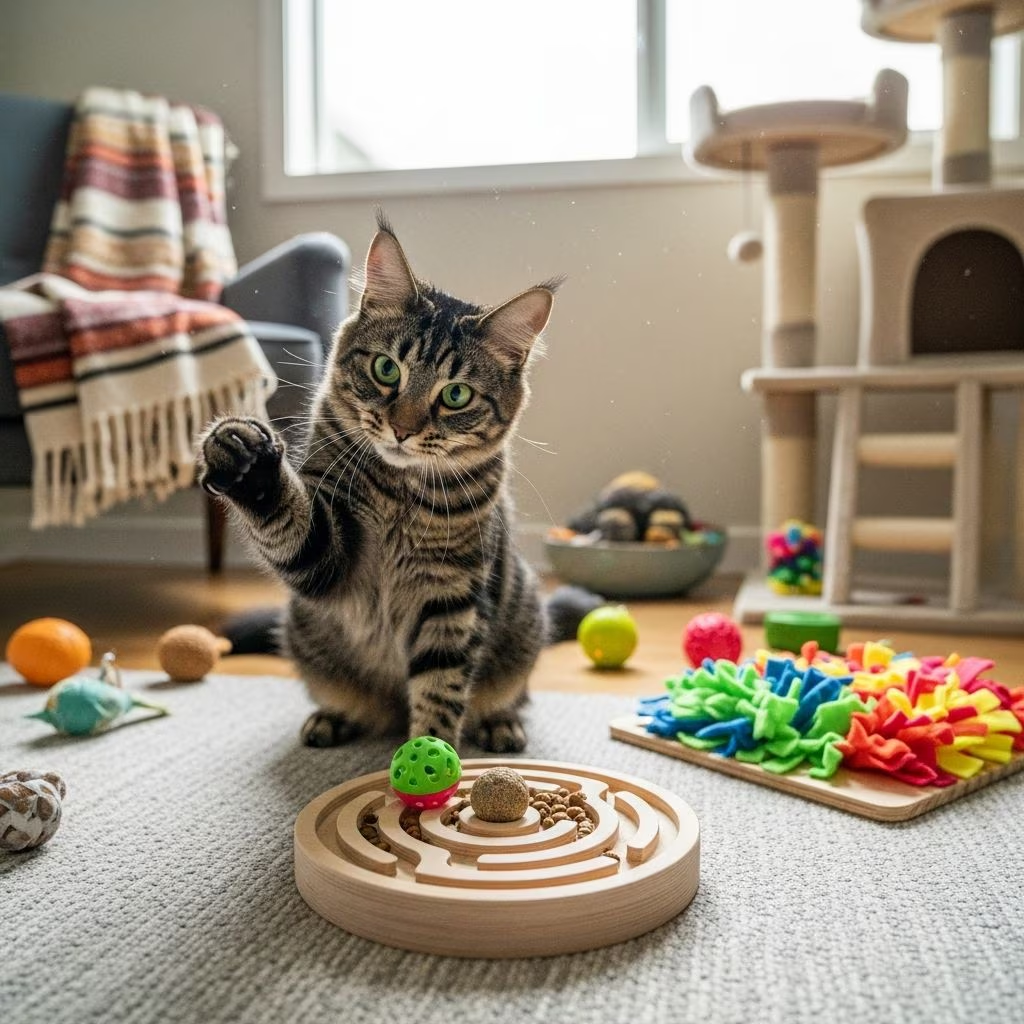
Indoor cats often face limited opportunities for natural exploration, leading to boredom, stress, and unwanted behaviors like excessive scratching or aggression. Providing mental stimulation mimics their wild instincts, promoting cognitive health, physical activity, and emotional balance. These strategies, drawn from veterinary and behavioral insights, help cats burn energy, solve problems, and strengthen bonds with owners.
Why Mental Enrichment Matters for Felines
Cats are intelligent predators requiring daily challenges to thrive. Without stimulation, they may develop anxiety or destructive habits. Benefits include stress reduction via cortisol-lowering activities, boosted confidence through successful problem-solving, and better management of play aggression. For seniors or cats with mobility issues, adapt activities to ensure accessibility, focusing on low-effort options like visual engagement. Research supports positive reinforcement training, which not only engages the brain but also improves welfare by associating behaviors with rewards.
1. DIY Food Puzzles for Problem-Solving
Turn mealtime into a brain workout with homemade puzzles. Cats must use paws and wits to extract kibble or treats, tapping into foraging instincts.
- Roll a plastic bottle with small holes: Treats dispense as it tumbles.
- Box with cutouts: Encourage pawing inside for hidden rewards.
- Egg carton or muffin tin: Scatter food in compartments for fishing fun.
Start simple for kittens or novices, increasing complexity for experts. Safety first—avoid suffocation risks and ensure no small parts. Feed entire meals via puzzles to extend engagement.
2. Interactive Toys That Mimic Hunting
Toys triggering chase and pounce instincts provide hours of solo or bonded play. Feather wands and track balls excel here.
| Toy Type | Benefits | Examples |
|---|---|---|
| Wand Toys | Encourages stalking | Feather teasers, DIY string on stick |
| Track Toys | Safe batting practice | Tower of Tracks with spinning balls |
| Puzzle Dispensers | Hide-and-seek treats | Swivel-compartment boards |
Rotate toys weekly to combat boredom—store half and swap. Electronic movers add unpredictability for independent play.
3. Climbing Structures and Vertical Space
Cats crave heights for security and observation. Multi-level trees offer scratching, lounging, and exploration.
- Install shelves or perches for custom setups.
- Add dangling toys or tunnels for added challenge.
- Combine with textures like sisal for sensory variety.
These reduce territorial stress and encourage physical-mental combo workouts.
4. Natural Herbs: Catnip and Alternatives
For responsive cats (about 70%), catnip induces playful frenzy, stimulating senses. Silvervine or valerian offers similar euphoria for non-responders.
- Sprinkle on paper or blankets for rolling sessions.
- Stuff into toys or boxes for discovery play.
- Use sparingly to maintain effect—once weekly max.
Monitor for overexcitement; not all cats react.
5. Window Views and Sensory Observation
Position perches by windows for bird-watching, activating predatory gaze without effort.
- Sunny spots enhance relaxation.
- Bird feeders outside amplify action.
- Shelves mimic wild vantage points.
Ideal for limited-mobility cats, providing passive enrichment.
6. Toy Rotation and Environmental Shifts
Novelty reignites interest. Rearrange furniture, hide scents, or swap toys to simulate new territories.
- Bi-weekly rotations prevent habituation.
- Introduce safe household items like paper bags.
- Scent with herbs or owner-worn clothes for familiarity twist.
This low-cost method sustains long-term engagement.
7. Positive Reinforcement Training Tricks
Cats learn via rewards, not punishment. Clicker training marks desired actions, building complex behaviors.
- Charge clicker: Pair sound with treats repeatedly.
- Lure basics: Use food to guide sit or high-five.
- Shape advanced: Reward approximations, like head dip to full lie-down.
Studies show reduced stress hormones post-training. Teach ‘sit,’ ‘come,’ or ‘touch’ for 5-10 minute daily sessions.
8. Foraging Boxes and Hide-and-Seek
Fill boxes with crinkly paper, toys, or treats for investigative digs.
- Layer scents and textures for multi-sensory hunts.
- Vary sizes for different challenges.
- Refresh contents to keep fresh.
Combines curiosity with success rewards.
9. Obstacle Courses and Play Zones
DIY mazes from boxes, tunnels, and ramps encourage navigation.
- Connect cardboard for paths.
- Add ramps and hidey-holes.
- Supervise initial runs.
Scalable for multi-cat homes or small spaces.
10. Scheduled Interactive Sessions
Daily 15-minute play mimics hunts, tiring minds and bodies. Use wands for pouncing, ending on high note.
Strengthens bonds and channels energy.
Adapting for Special Needs Cats
Seniors benefit from scent games; visually impaired from sound toys; arthritic from stationary puzzles. Consult vets for tailored plans.
Common Pitfalls to Avoid
- Overuse of lasers: Frustrates without ‘catch’ satisfaction.
- Static toys: Always rotate.
- Punishment: Harms trust; stick to positives.
FAQs
How often should I stimulate my cat mentally?
Daily sessions of 15-30 minutes, plus ongoing access to toys and views.
Do all cats like catnip?
No, genetics determine response; try silvervine alternatives.
Can mental games help destructive behavior?
Yes, by redirecting energy and reducing boredom-induced issues.
What’s best for apartment cats?
Vertical spaces, window perches, and compact puzzles.
Training kittens vs. adults?
Both succeed with patience; kittens learn faster.
References
- Fun Ideas for Mental Stimulation for Cats — Zoetis Petcare. 2023. https://www.zoetispetcare.com/blog/article/mental-stimulation-for-cats
- The Importance of Mental Stimulation for Indoor Cats — One Fur All Pets. 2023. https://www.onefurallpets.com/blogs/news/the-importance-of-mental-stimulation-for-indoor-cats
- The Benefits of Daily Mental Stimulation for Cats & Small Pets — Tipp to Tail. 2023. https://tipptotail.com/daily-mental-stimulation-benefits/
- How To Provide Mental Stimulation For Cats — Outward Hound Furtropolis. 2023. https://outwardhound.com/furtropolis/cats/how-to-provide-mental-stimulation-for-cats
- How to train a cat — British Psychological Society. 2023. https://www.bps.org.uk/psychologist/how-train-cat
- Seven enrichment ideas to keep your indoor cat entertained — Animal Humane Society. 2023. https://www.animalhumanesociety.org/resource/seven-enrichment-ideas-keep-your-indoor-cat-entertained



