

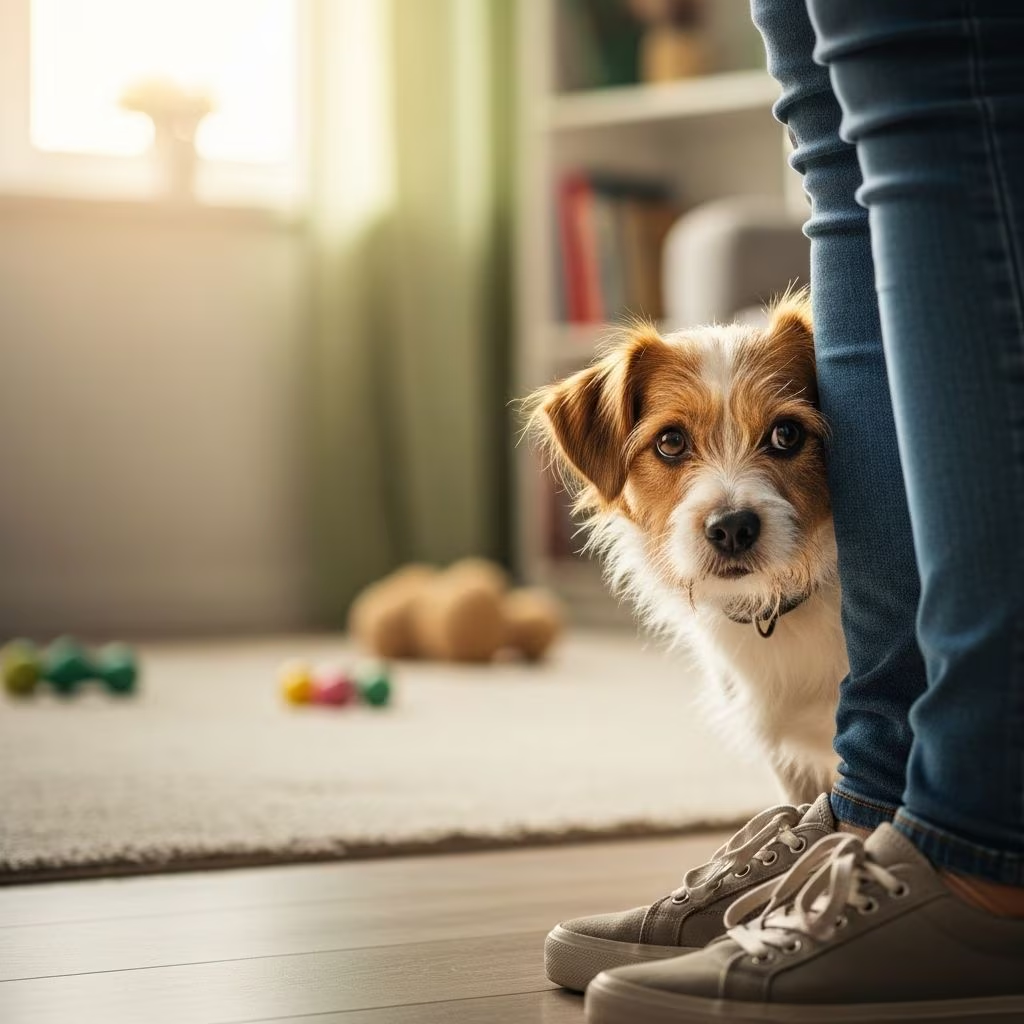
Shy or fearful dogs often hesitate in new situations, cower from strangers, or avoid everyday objects, but with patient, consistent training, they can develop resilience and joy. This guide explores practical methods to empower timid pups using games, environmental adjustments, and positive reinforcement techniques drawn from expert canine behavior insights.
Understanding Fear in Dogs
Fear responses in dogs manifest as tucked tails, avoidance, trembling, or barking, stemming from genetics, past trauma, or lack of socialization. Recognizing these signs early allows owners to intervene gently without overwhelming the animal. Building confidence starts with empathy: observe body language like ear flattening or lip licking to gauge stress levels.
Primary triggers include loud noises, unfamiliar people, or novel textures. According to animal welfare organizations, gradual exposure prevents escalation into chronic anxiety. Handlers play a crucial role by maintaining calm energy, as dogs mirror human emotions during training.
Creating a Safe Foundation at Home
Establish a dedicated comfort zone in a quiet home area with familiar bedding, toys, and scent items. This sanctuary reduces baseline stress, making the dog more receptive to learning. Use it for initial sessions to associate training with security.
- Dim lights and minimize household traffic during early practice.
- Incorporate pheromone diffusers or calming music if needed.
- Keep sessions short: 5-10 minutes to avoid fatigue.
Consistency in routines signals predictability, fostering trust. Feed meals in this space via puzzle toys to link enrichment with positivity.
Fun Games to Spark Initial Bravery
Engage your dog with simple, rewarding games that encourage voluntary participation, boosting self-assurance through success.
Paws-Up Challenge
This exercise teaches dogs to place front paws on a stable, low object, promoting upright posture linked to confident body language. Select a non-slip item like a sturdy book or step, paired with high-value treats.
- Lure with a treat held over the object to guide paws upward.
- Mark success with a clicker or word like “yes” and reward generously while paws stay placed.
- Repeat 5-10 times per session, fading the lure to a verbal cue such as “paws up.”
- Progress to outdoor logs for real-world application.
Posture shifts alone can elevate mood, much like humans standing tall.
Middle Position Game
Position your dog between your legs facing forward, rewarding stillness to build trust in close proximity.
- Stand with feet apart; use treats to guide dog into position.
- Feed continuously while stable, then release with “break” and a tossed treat.
- Practice daily, increasing duration gradually.
This enhances focus and security near the handler.
Nose-Touch Adventure
Introduce cones or cups to desensitize facial contact, ideal prep for muzzles or vet visits.
- Start with hand targets: hold treat palm-up for nose touch.
- Transfer to cone: hold near nose, reward orientation and contact.
- Vary objects to generalize confidence.
Choice-based progression ensures voluntary engagement.
Box Exploration Quest
Scatter treats in cardboard boxes or tubes to encourage investigative play.
- Begin with one open box; add complexity with multiples or crinkly items.
- Supervise to prevent ingestion hazards.
- Builds tolerance to novel sounds and movements under dog control.
Desensitization: Facing Fears Step-by-Step
Desensitization involves controlled, sub-threshold exposure to triggers, reducing novelty over time. Pair with counter-conditioning to associate stimuli with rewards.
| Trigger Level | Exposure Strategy | Reward Type |
|---|---|---|
| Low (distant sound) | Play recording at whisper volume | High-value treats |
| Medium (approaching stranger) | Handler at 20 feet, no eye contact | Play session |
| High (direct interaction) | Short, calm greetings | Jackpot rewards |
Avoid flooding; if stress signs appear, retreat to lower levels. Progress hinges on patience—weeks or months for deep fears.
Leveraging Natural Talents
Identify activities your dog excels at, like sniffing or gentle fetch, to stack successes. Transition these strengths to challenging environments: practice nose work indoors before parks. Hiking on quiet trails exposes dogs to people at safe distances, pairing adventure with joy.
The Handler’s Role in Success
Your mindset influences outcomes: project unwavering calm and optimism. Anticipate triggers to prevent setbacks, using precise timing for rewards. Structure daily life with clear rules—meals, walks, play at set times—to convey security.
Regular assessment tracks progress: note reduced freezing or increased tail wags. Adjust based on feedback.
Enrichment for Everyday Confidence
Beyond games, integrate food puzzles, scent games, and flirt pole play to promote problem-solving and drive. Positive reinforcement training empowers decision-making, as dogs learn actions yield good outcomes.
- Nose work: Hide treats around rooms.
- Flirt pole: Builds chase confidence without pressure.
- Hand targets: Enhances engagement.
Progression to Real-World Challenges
Once home basics solidify, venture out: quiet streets first, then busier areas. Use familiar games as anchors—paws-up on curbs. Enroll in group classes with force-free trainers for socialization.
Monitor for regressions; reinforce foundations as needed. Consistency across family members prevents confusion.
Common Pitfalls to Avoid
- Rushing exposure: Leads to shutdowns.
- Inconsistent cues: Undermines trust.
- Punishment: Erodes confidence further.
- Ignoring health: Rule out pain with vet checks.
FAQs
How long does it take to build a shy dog’s confidence?
Timelines vary from weeks to months, depending on severity and consistency. Track small wins weekly.
What if my dog regresses?
Return to lower exposure levels and rebuild gradually. Stress management tools like calming aids can help.
Are certain breeds more prone to shyness?
Genetics play a role in herding or guarding breeds, but environment shapes most behaviors.
Can professional help speed progress?
Yes, certified trainers using positive methods accelerate gains, especially for severe cases.
What treats work best?
Soft, smelly options like cheese or liver for high motivation.
Long-Term Maintenance
Confidence is ongoing: maintain variety in experiences to prevent stagnation. Celebrate milestones with extra play, reinforcing the handler bond. With dedication, shy dogs transform into adventurous partners ready for life’s surprises.
References
- 4 easy games to build your dog’s confidence & combat nerves — My Anxious Dog. Accessed 2026. https://myanxiousdog.co.uk/blogs/news/confidence-building-for-dogs
- Building Confidence in Fearful Dogs — STSK9 Online University. Accessed 2026. https://onlineuniversity.stsk9.com/blog/building-confidence
- Building Confidence in Dogs — Best Friends Animal Society. Accessed 2026. https://bestfriends.org/pet-care-resources/building-confidence-dogs
- Shaping Tips For Timid, Shy, Softer Or Fearful Dogs — YouTube (Training Video). Accessed 2026. https://www.youtube.com/watch?v=yGYJ4jAL4lw
- Building confidence in a nervous dog — Robert Cabral Forums. Accessed 2026. https://robertcabral.com/forums/discussion/building-confidence-in-a-nervous-dog/



