

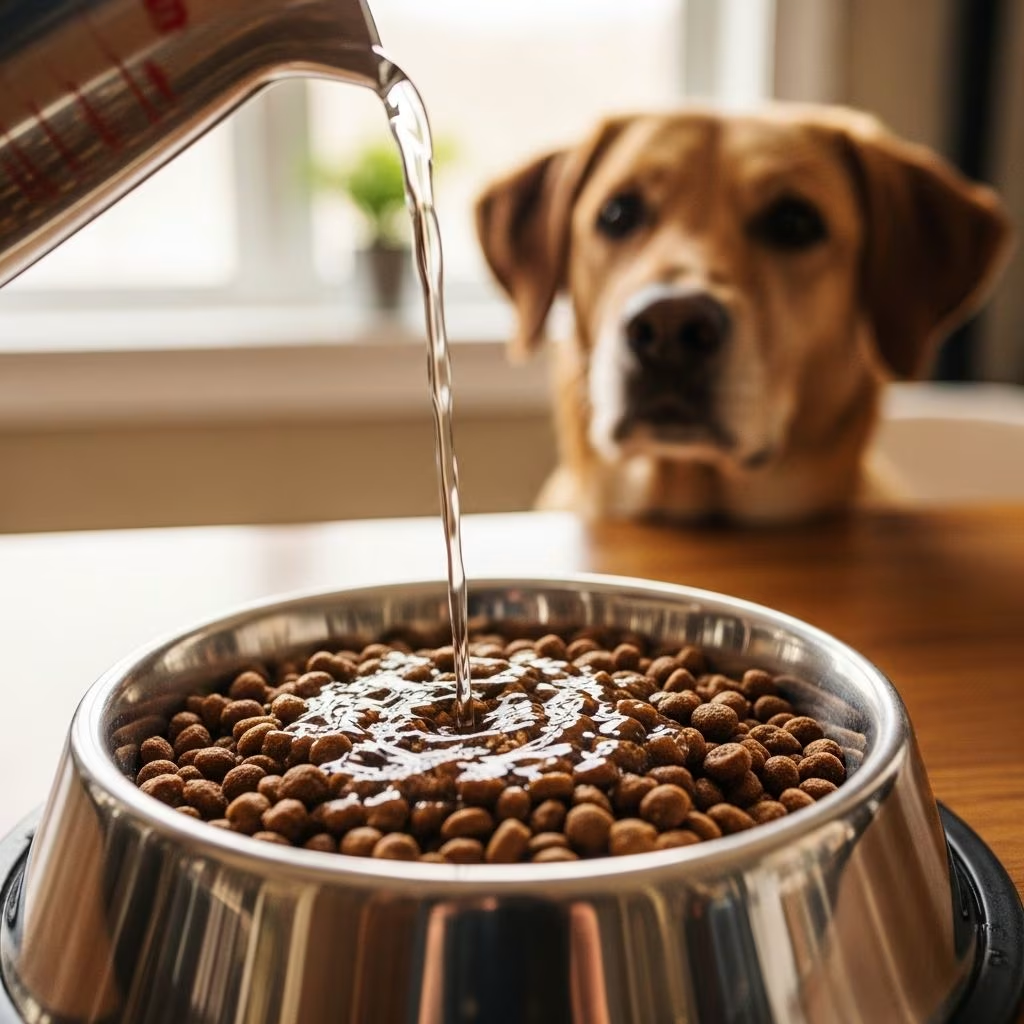
Adding water to your dog’s dry kibble is a straightforward practice that yields significant health improvements. This method enhances hydration levels, supports digestive processes, and promotes overall well-being without complicating daily routines.
Understanding Hydration Needs in Canine Diets
Dogs require consistent access to moisture for vital functions like temperature regulation, nutrient transport, and waste elimination. Dry kibble, typically containing only 8-10% water, often falls short in meeting these demands, especially for dogs that drink sparingly from bowls. Incorporating water directly into meals bridges this gap effectively.
Proper hydration prevents issues such as kidney strain and urinary tract complications. Active breeds or those in warm climates benefit most, as added moisture ensures fluid intake aligns with physical exertion. Studies indicate that moistened diets correlate with better organ function, particularly in the liver and kidneys, which rely on adequate water for detoxification.
How Moist Kibble Enhances Digestion
Dry food demands substantial internal moisture to break down, pulling water from the dog’s body and potentially leading to constipation or bloating. Softening kibble with water initiates the digestive process externally, allowing enzymes to activate more efficiently.
- Enzyme Activation: Warm water jump-starts salivary and gastric enzymes, breaking down proteins, fats, and carbs more readily.
- Smoother Transit: Hydrated food moves through the intestines with less resistance, reducing gastrointestinal discomfort.
- Nutrient Uptake: Softer particles increase surface area for absorption, maximizing nutritional value from each meal.
Puppies, seniors, and dogs with sensitive stomachs experience fewer upset episodes. Owners report firmer stools and reduced gas when transitioning to this method.
Weight Management Advantages
Obesity affects many dogs, contributing to diabetes, joint stress, and heart conditions. Moistening kibble adds volume without calories, tricking the stomach into feeling full sooner. This satiety effect curbs begging and overeating.
| Benefit | Dry Kibble | Moistened Kibble |
|---|---|---|
| Volume per Serving | Low | High (water-expanded) |
| Calorie Density | High | Lower effective density |
| Fullness Duration | Short | Extended |
For weight-loss programs, combine with portion control using feeding guidelines. Higher-protein wet additions further support lean muscle maintenance.
Supporting Urinary and Kidney Health
Concentrated urine fosters crystals, stones, and infections, particularly in breeds like Dalmatians or Bulldogs. Diluting meals increases overall fluid intake, flushing the urinary system more effectively. This preventive approach maintains bladder health and reduces vet visits.
Experts note that dogs on moist diets show lower mineral concentrations in urine, minimizing stone formation risks. Monitor for breed-specific predispositions and consult vets for tailored advice.
Improving Palatability and Eating Habits
Picky eaters or those recovering from illness often reject dry food. Water releases aromas and flavors trapped in kibble, making meals irresistible. This encourages complete consumption, ensuring balanced nutrition.
- Seniors with diminished smell senses respond to enhanced scents.
- Puppies eat faster and safer without choking hazards.
- Dogs with dental pain chew softened pieces effortlessly.
Practical Guide: How to Moisten Kibble Safely
Start with room-temperature or slightly warm water to preserve nutrients and appeal. Use a 1:1 to 1:3 kibble-to-water ratio, adjusting based on preference.
- Measure daily kibble portion per label instructions.
- Add water gradually, stirring to a porridge-like consistency.
- Let sit 5-10 minutes for full softening.
- Serve fresh; discard leftovers to avoid bacteria.
Avoid boiling water, which can degrade vitamins. For variety, rotate with low-sodium broths. Transition slowly over a week to prevent tummy upset.
Special Considerations for Different Life Stages
Puppies
Young dogs need extra moisture for growing bones and rapid metabolism. Soft food aids tooth development and prevents dehydration during play.
Adult Dogs
Working or athletic adults maintain peak performance with boosted hydration, supporting endurance and recovery.
Seniors
Aging joints and kidneys benefit from easier digestion and diluted urine. Softer textures accommodate weaker teeth.
Potential Drawbacks and Solutions
While benefits outweigh cons, note these:
- Bacterial Growth: Solution: Serve immediately and clean bowls daily.
- Messy Bowls: Solution: Use deep dishes or mats.
- Over-Softening: Solution: Experiment with ratios for preferred texture.
A study on softened vs. dry food found no stress increase, affirming safety when done properly.
Combining with Wet Food for Optimal Results
Mix-feeding amplifies advantages: wet food’s 70-85% moisture pairs with kibble’s dental benefits. This hybrid satisfies cravings, cuts costs as toppers, and varies menus to prevent boredom.
Ideal for low-appetite or small-jawed dogs. Calculate calories carefully to avoid excess.
Frequently Asked Questions
Is it safe to add water to kibble every day?
Yes, daily use supports health without issues if fresh water bowls remain available.
How much water should I add?
Start with equal parts; adjust to double kibble volume for most dogs.
Can this help my overweight dog?
Absolutely, increased volume promotes fullness on fewer calories.
What if my dog refuses moist food?
Warm it slightly or add broth to entice; persistence pays off.
Does it affect dental health?
Mix with some dry kibble to retain crunch benefits.
Long-Term Health Impacts
Consistent moistening leads to shinier coats, vibrant energy, and fewer vet interventions. Owners observe better skin health as digestion spares bodily moisture for other systems. Track improvements via weight logs and stool quality.
Consult veterinarians before major changes, especially for medical conditions. Personalized nutrition maximizes outcomes.
References
- Effects of Softening Dry Food with Water on Stress Response, Intestinal Microbiome, and Metabolic Profile in Dogs — PMC / National Library of Medicine. 2022-11-01. https://pmc.ncbi.nlm.nih.gov/articles/PMC9697261/
- The Importance of Moisture in Dog Food — Dog Food Advisor. 2023-05-15. https://www.dogfoodadvisor.com/dog-health/the-importance-of-moisture-in-dog-food/
- Benefits of Adding Water to Your Dog’s Dry Food — Good Dog People. 2024-02-20. https://gooddogpeople.com/blogs/dog-talk/benefits-of-adding-water-to-your-dog-s-dry-food
- Pros and Cons of Putting Water in Kibble for Dogs — Now Fresh. 2023-08-10. https://nowfresh.com/en-eu/blog/pros-and-cons-of-putting-water-in-kibble-for-dogs
- Adding Water to Your Dog’s Food — Wear Wag Repeat. 2024-01-12. https://wearwagrepeat.com/adding-water-to-your-dogs-food/



