

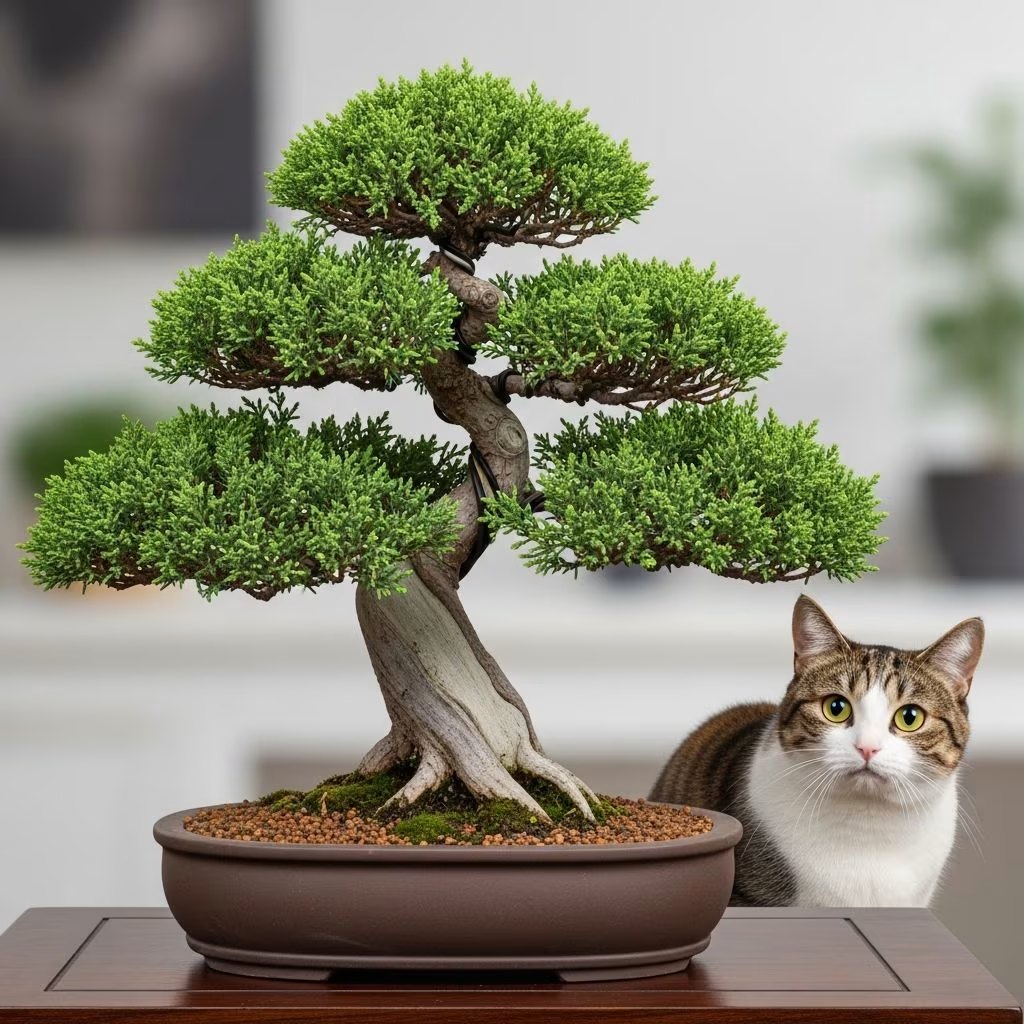
Bonsai trees, cherished for their miniature artistry, vary widely in safety for cats depending on the species used. While many are harmless, certain varieties contain toxins that can lead to serious health issues if ingested by curious felines.
Understanding Bonsai Variety and Feline Curiosity
Bonsai cultivation involves dwarfing numerous tree and plant species, not a single type, making toxicity assessments species-specific. Cats often investigate plants through nibbling due to instinctual behaviors like grooming simulation or stress relief, heightening exposure risks in households.
Young kittens and bored adults prove most prone to this habit, potentially encountering irritants from leaves, sap, bark, or fruits. Homeowners must prioritize identification before placement to safeguard pets.
Toxic Bonsai Species to Avoid Around Cats
Several prevalent bonsai choices harbor compounds harmful to cats, prompting gastrointestinal distress, neurological effects, or organ damage. Key offenders include:
- Ficus varieties, such as Ficus retusa, release milky latex sap irritating skin, mouth, and digestive tracts, often yielding vomiting and diarrhea.
- Jade plants (Crassula ovata) induce vomiting and lethargy upon ingestion due to unknown but potent metabolites.
- Azaleas, including Satsuki types, pack grayanotoxins disrupting heart rhythm and neural function, posing high lethality risks.
- Sago Palms contain cycasin throughout, triggering acute liver failure with survival rates under 50% even with intervention.
- Boxwood and Wisteria feature alkaloids and lectins causing severe vomiting, convulsions, or pod/seed poisoning.
The table below summarizes common toxic bonsai for quick reference:
| Bonsai Species | Toxicity Level | Primary Effects |
|---|---|---|
| Ficus | Moderate | GI upset, skin irritation from sap |
| Jade (Crassula) | Moderate | Vomiting, weakness |
| Azalea | High | Heart/neurological damage |
| Sago Palm | Very High | Liver failure |
| Boxwood | High | GI distress, potential fatality |
Recognizing Signs of Plant Poisoning in Cats
Swift detection of ingestion effects proves vital, as symptoms emerge rapidly post-exposure. Monitor for:
- Vomiting or diarrhea, sometimes bloody.
- Lethargy, weakness, or uncoordinated movement.
- Excessive drooling, panting, or oral ulcers.
- Appetite loss, tremors, seizures, or dilated pupils.
- In grave instances, collapse, shock, or coma.
Symptom onset varies by toxin quantity and cat sensitivity; minor chewing might yield mild upset, while substantial intake demands emergency care.
Mechanisms Behind Bonsai Toxins
Plants evolve chemical defenses against herbivores, inadvertently endangering pets. Ficus latex deters browsers via caustic properties inflaming mucous membranes. Azalea grayanotoxins bind sodium channels, inducing cardiac arrhythmias. Sago cycasin metabolizes into hepatotoxins assaulting liver cells. Such adaptations underscore selective bonsai choices for pet homes.
Safe Bonsai Alternatives for Cat Households
Fortunately, numerous non-toxic species thrive as bonsai, enabling aesthetic enjoyment sans peril. Recommended options include:
- Chinese Elm: Resilient indoor/outdoor grower, tolerant of minor pruning.
- Japanese Maple: Seasonal color changer, fully benign.
- Juniper: Robust conifer, rarely problematic.
- Parlor Palm or Bamboo Palm: Tropical vibes, zero toxicity reports.
- Prayer Plant or Peperomia: Compact foliage amenable to miniaturization.
These selections align with cat-safe databases like ASPCA listings, confirmed safe across extensive observations.
| Safe Bonsai Species | Key Traits | Pet Safety Notes |
|---|---|---|
| Chinese Elm | Hardy, fast-growing | Generally non-toxic |
| Japanese Maple | Colorful leaves | Non-toxic |
| Juniper | Evergreen, outdoor | Safe for cats |
| Parlor Palm | Indoor tolerant | Non-toxic |
Preventive Strategies for Pet-Safe Bonsai Displays
Beyond species selection, proactive measures minimize mishaps:
- Elevate placements: High shelves or hanging pots thwart access.
- Deterrents: Citrus peels, bitter sprays, or aluminum foil around bases repel nibblers.
- Enrichment: Cat trees, toys, and scratchers divert attention from greenery.
- Enclosures: Glass cases or room dividers protect prized specimens.
- Supervision: Observe interactions during introduction phases.
Outdoor setups benefit from fenced zones blending bonsai gardens with pet paths, fostering natural harmony.
Emergency Response to Suspected Ingestion
If chewing occurs:
- Identify the exact species via photo or label.
- Note symptoms and timing.
- Contact veterinarian or ASPCA Poison Control (888-426-4435) promptly—do not wait for escalation.
- Avoid home remedies like induced vomiting absent professional directive.
- Supply water; prepare for diagnostics like bloodwork or decontamination.
Timely action boosts recovery odds, especially for high-toxin cases like sago exposure.
Long-Term Coexistence Tips
Integrate bonsai thoughtfully: rotate safe varieties seasonally, train cats via positive reinforcement away from plants, and maintain health records noting exposures. Nurseries like Bonsai Direct report seamless cat-bonsai interactions with precautions, affirming viability. Bonsai Empire notes rarity of issues, as most pets ignore trees.
Frequently Asked Questions
Are all bonsai trees dangerous for cats?
No, toxicity hinges on species; many like Chinese Elm and Junipers pose no threat.
What should I do if my cat vomits after chewing bonsai?
Observe further signs and call a vet immediately, providing plant details.
Can I use deterrents on safe bonsai?
Yes, non-toxic sprays enhance protection without harming the plant.
Are outdoor bonsai safer?
Potentially, with barriers, but toxic species remain risky regardless of location.
Which authority lists confirm cat-safe plants?
ASPCA’s toxic/non-toxic database offers comprehensive, reliable guidance.
References
- Bonsai and Cats: Can These Peaceful Worlds Coexist? — My Japanese World. 2023. https://myjapaneseworld.com/blogs/japanese-craftsman-journal/bonsai-and-cats-can-these-peaceful-worlds-coexist
- Cat Friendly Bonsai | Bonsai Trees which are safe for your pet — Bonsai Direct. 2024. https://www.bonsaidirect.co.uk/contact-us/bonsai-care/are-bonsai-safe-with-pets/
- Plant toxicity; keeping Bonsai with pets around — Bonsai Empire. 2023. https://www.bonsaiempire.com/blog/bonsai-toxicity



