

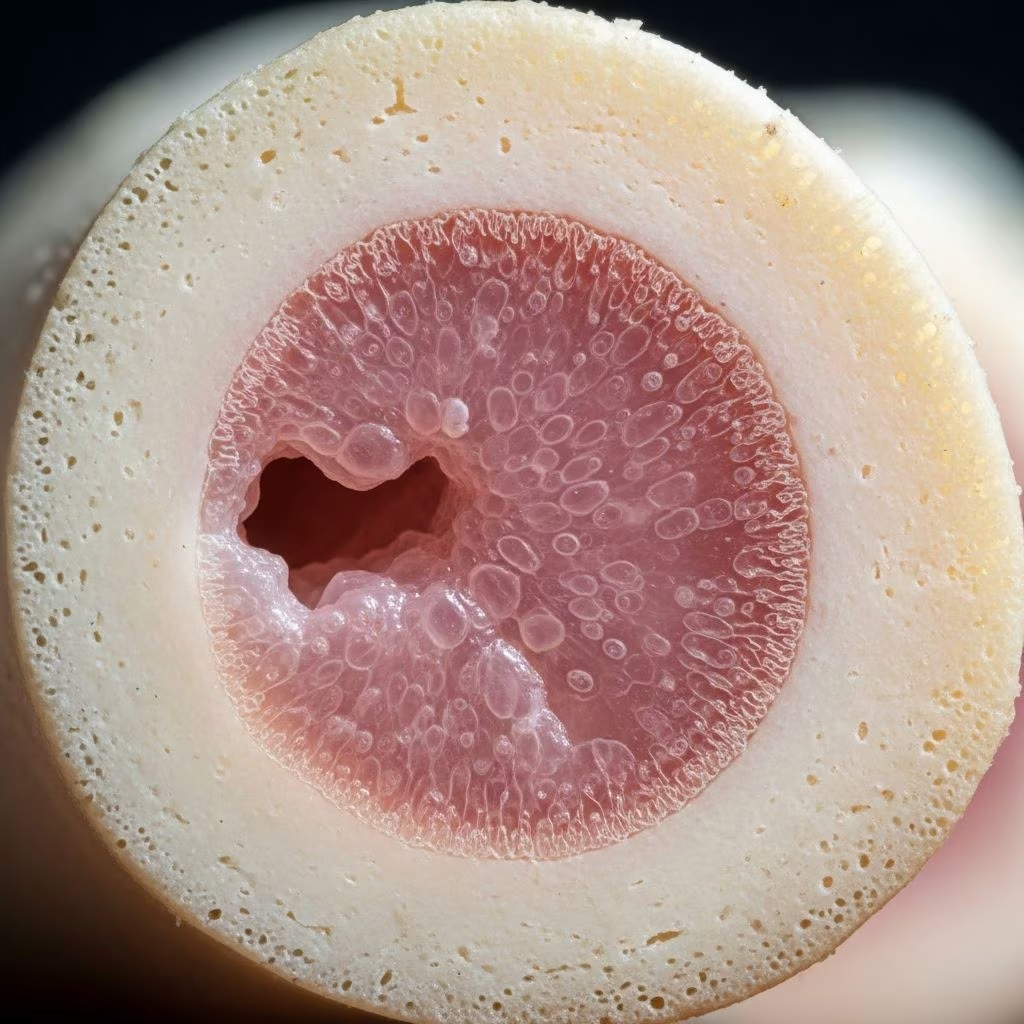
Bone marrow bones are a popular treat for dogs, offering chewing satisfaction and some nutritional benefits, but they come with significant risks due to their high fat content. Frequent consumption can lead to **pancreatitis**, digestive upset, and weight gain, particularly in sensitive dogs.
Why Bone Marrow Can Be Trouble for Dogs
Bone marrow, the soft, fatty tissue inside bones, is nutrient-dense but packs a high concentration of fat that many dogs cannot handle well. While it provides iron, protein, and antioxidants, overindulgence often results in serious health issues.
Dogs prone to **pancreatitis**—an inflammation of the pancreas triggered by high-fat foods—are especially at risk. Symptoms include vomiting, lethargy, abdominal pain, and diarrhea, potentially requiring hospitalization. Breeds like Miniature Schnauzers and English Cocker Spaniels show predispositions due to genetic factors like high triglycerides or immune issues, but any dog can be affected.
Even healthy dogs may experience **gastrointestinal mishaps**. Marrow’s richness can cause loose stools, gas, or vomiting, particularly in smaller breeds, puppies, or those with sensitive stomachs. Overweight dogs risk further pound-packing without diet or exercise adjustments.
Nutritional Breakdown of Bone Marrow
Bone marrow offers valuable nutrients in moderation:
- Protein: About 0.07 grams per 0.5-ounce serving, supporting muscle maintenance.
- Calcium: 12.62 milligrams per 0.5-ounce serving, aiding bone health.
- Iron and Antioxidants: Boost red blood cell production and combat oxidative stress.
- Collagen, Glucosamine, and Chondroitin: Promote joint health and reduce inflammation.
- Vitamins (B12) and Healthy Fats: Enhance energy and immune function, especially from grass-fed sources with omega-3s and CLA.
Despite these perks, the **high fat content** overshadows benefits for many dogs, turning a potential superfood into a health hazard when fed too often.
Risks Beyond Digestion: Pancreatitis Deep Dive
**Pancreatitis** occurs when digestive enzymes activate prematurely in the pancreas, causing self-digestion and severe inflammation. High-fat marrow bones are a common trigger, with acute cases leading to dehydration, shock, and long-term chronic issues.
Signs to watch for:
- Vomiting (often repeated)
- Diarrhea or oily stools
- Hunched posture or abdominal tenderness
- Fever and lethargy
- Loss of appetite
If suspected, seek immediate vet care—early intervention with fluids and low-fat diets can prevent complications. Prevention is key: limit marrow to occasional treats and monitor for breed predispositions.
| Breed | Pancreatitis Risk Factors |
|---|---|
| Miniature Schnauzer | High blood triglycerides |
| English Cocker Spaniel | Abnormal immune activity |
| Any breed (esp. small) | High-fat diet sensitivity |
Safe Bone Selection and Preparation
Not all bones are equal. Choose **raw, meaty bones** from young, grass-fed animals like lamb, chicken, or beef to minimize toxins accumulated in older animals. Avoid pork bones and rib bones, which splinter easily.
- Raw vs. Cooked: Cooked bones splinter and can cause choking, blockages, or perforations. Raw bones are safer but still require supervision.
- Size Matters: Select bones larger than your dog’s muzzle to prevent swallowing chunks.
- Grass-Fed Preference: Higher in omega-3s, CLA, zinc, and selenium for better anti-inflammatory and immune benefits.
Always supervise chewing sessions to avoid tooth fractures, especially in puppies whose teeth are developing.
How Often Should Dogs Have Marrow Bones?
Moderation is crucial—treat marrow bones as an **occasional reward**, not a daily staple. Guidelines:
- Healthy Adults: Once every 1-2 weeks, 10-20% of caloric intake.
- Sensitive/Overweight Dogs: Rarely or never; opt for low-fat alternatives.
- Puppies: Avoid fatty marrow until adulthood; focus on softer puppy-safe options.
Adjust based on size, activity, and health. Consult a vet before introducing, especially with history of GI issues.
Benefits When Fed Correctly
Done right, marrow bones provide:
- Dental Health: Chewing scrapes plaque, reducing tartar and gingivitis.
- Mental Stimulation: Satisfies natural gnawing instincts, curbing boredom and anxiety.
- Joint Support: Glucosamine and chondroitin cushion joints; collagen strengthens bones.
- Nutrient Boost: Healthy fats and minerals enhance coat, energy, and immunity.
They act as a natural toothbrush and stress reliever, mimicking wild foraging behaviors.
Alternatives to Marrow Bones
For safer chewing without fat overload:
- Bone Broth: Simmer bones for collagen-rich liquid supporting joints and digestion. Low-fat, easy to add to meals.
- Raw Meat Bones: Leaner options like turkey necks or wings.
- Veggie Chews: Carrots, sweet potato slices for low-cal crunch.
- Commercial Toys: Rubber chews or dental treats mimicking bone texture.
Recipe: Simple Dog Bone Broth
- 2-3 lbs raw bones (chicken feet, knuckles).
- Water to cover, 2 tbsp apple cider vinegar.
- Simmer 12-24 hours, strain, cool. Freeze in portions.
Rich in glucosamine for joints and amino acids for strong bones.
Frequently Asked Questions (FAQs)
Is bone marrow good for dogs?
Yes in moderation for nutrients and dental health, but high fat risks pancreatitis and GI upset. Best for healthy adults occasionally.
Can puppies have marrow bones?
Limited; raw only, soft varieties to avoid tooth damage. Avoid fatty marrow until mature.
Are cooked marrow bones safe?
No— they splinter easily, risking injury. Stick to raw.
What if my dog gets diarrhea from marrow?
Stop immediately, fast 12-24 hours, then bland diet. See vet if persists.
Best bones for dogs prone to pancreatitis?
Avoid marrow; choose low-fat raw meaty bones or non-edible chews.
Key Takeaways for Dog Owners
Prioritize your dog’s health profile when offering marrow bones. Balance enjoyment with safety through moderation, proper selection, and vet guidance. When in doubt, safer alternatives deliver benefits without the mishaps.
References
- Feeding Bone Marrow To Your Dog – Is It Safe? — Volhard Dog Nutrition. 2023. https://www.volharddognutrition.com/blog/feeding-bone-marrow-to-your-dog-is-it-safe/
- Is Bone Marrow Good for Dogs? — Acabonac Farms. 2024. https://www.acabonacfarms.com/blogs/acabonac-pet-2/is-bone-marrow-good-for-dogs
- Bone Broth For Dogs: Recipes and Benefits — Kinship. 2023. https://www.kinship.com/dog-nutrition/recipe-making-bone-broth-dogs
- Can Puppies Have Bones? Safety and More — Kinship. 2023. https://www.kinship.com/dog-nutrition/can-puppies-have-bones
- Bone Marrow Mishaps for Dogs — Kinship. 2023. https://www.kinship.com/dog-health/bone-marrow-mishaps



