

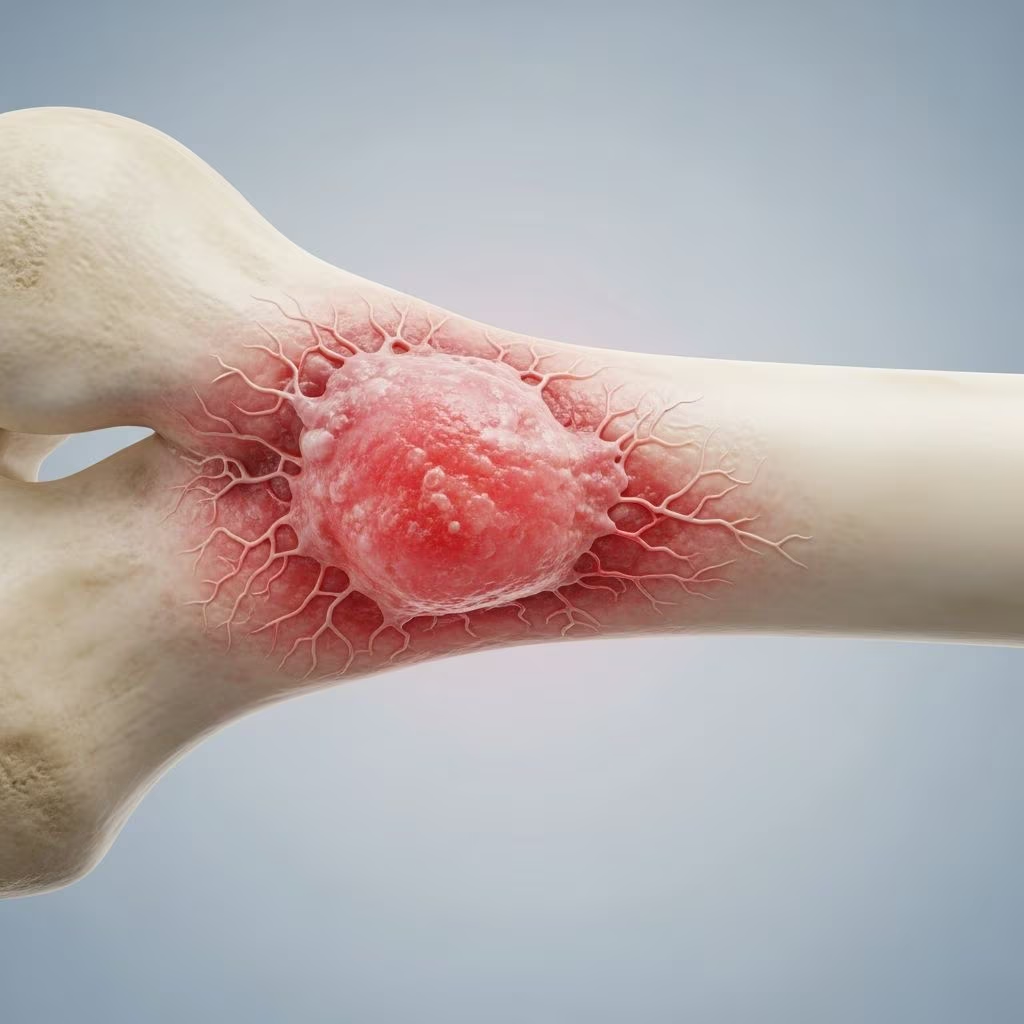
Osteomyelitis represents a severe inflammatory condition affecting the bones and bone marrow of dogs and cats, often triggered by bacterial invasion. This infection demands prompt veterinary intervention to avert chronic pain, bone deformity, and potential limb loss. Understanding its progression from initial contamination to deep tissue involvement is crucial for pet owners and clinicians alike.
Understanding the Nature of Bone Infections
Bone infections, or osteomyelitis, occur when pathogens infiltrate the skeletal structure, leading to inflammation and tissue destruction. In small animals like dogs and cats, this condition frequently stems from traumatic injuries, surgical complications, or hematogenous spread from distant infection sites. The bone’s avascular nature in certain areas allows bacteria to thrive unchecked, forming protective biofilms that resist standard antibiotic penetration.
Pathogens commonly involved include Staphylococcus pseudintermedius, a frequent culprit in canine cases, alongside other gram-positive and gram-negative bacteria. Fungal agents are rarer but can complicate diagnosis in immunocompromised pets. Early recognition hinges on distinguishing osteomyelitis from other orthopedic issues like fractures or tumors through clinical signs and imaging.
Risk Factors and Predispositions in Dogs and Cats
Certain factors elevate the risk of osteomyelitis in companion animals. Open fractures, particularly those graded as severe, provide direct bacterial entry points. Surgical implants, such as plates used in fracture repair, can harbor biofilms, with studies showing bacterial colonization rates far exceeding clinical infection incidence—up to 50% in some cohorts versus 7-10% overt osteomyelitis.
- Trauma-related risks: Post-traumatic cases dominate, with dogs showing higher incidence (9.8%) than cats (0%) in fracture cohorts.
- Age and breed: Younger, large-breed dogs face elevated risks from rapid growth phases, while overweight neutered male cats may encounter related joint issues.
- Systemic factors: Puppies are prone to hematogenous spread from bloodstream infections, weakening developing bones.
In cats, the lower reported incidence may reflect anatomical differences or less frequent high-impact trauma compared to active dogs. Nonetheless, any pet with recent surgery or injury warrants vigilant monitoring for swelling, pain, or lameness.
Clinical Signs and Early Detection
Manifestations of osteomyelitis vary by infection stage and location but consistently include localized pain, swelling, and lameness. Acute cases present with fever, lethargy, and draining tracts from abscessed bone sites. Chronic forms lead to fistulas, bone instability, and weight-bearing reluctance.
| Stage | Common Signs in Dogs | Common Signs in Cats |
|---|---|---|
| Acute | Fever, acute lameness, soft tissue swelling | Pelvic limb pain, reduced jumping ability |
| Chronic | Draining sinuses, bone deformity, chronic pain | Bilateral lameness, hip joint manipulation pain |
| Jaw involvement | Drooling, difficulty eating | Rare, but improved prognosis if isolated |
Owners should note persistent lameness post-injury or surgery, as these signal potential deep infection. Jaw osteomyelitis, though less common, offers better outcomes due to accessible surgical debridement. Prompt reporting enhances treatment success.
Diagnostic Approaches for Accurate Identification
Diagnosis integrates history, physical exams, imaging, and laboratory tests. Veterinarians begin with signalment analysis—breed, age, recent trauma—to gauge likelihood. Radiographs reveal periosteal reactions, sequestra (dead bone fragments), and involucrum (new bone formation) in advanced cases.
- Imaging: X-rays confirm bone lysis and proliferation; advanced CT or MRI delineate soft tissue extension.
- Culture and biopsy: Aspiration of pus or surgical sampling identifies pathogens, guiding targeted therapy. Positive cultures confirm diagnosis when paired with radiographic changes.
- Bloodwork: Elevated white cells and inflammatory markers support infection but lack specificity.
Definitive diagnosis requires at least two criteria: clinical signs, radiographic abnormalities, positive culture, or histopathology. This multi-modal strategy differentiates osteomyelitis from mimics like panosteitis or neoplasia.
Treatment Strategies: Medical and Surgical Interventions
Effective management combines aggressive surgical debridement, prolonged antibiotics, and supportive care. Surgery removes infected tissue, sequestra, and implants, disrupting biofilms. Culture-directed antibiotics, often fluoroquinolones or beta-lactams, continue 4-8 weeks systemically, sometimes locally via beads or pumps.
Post-traumatic cases benefit from implant removal once stable, reducing recurrence. Amoxicillin-clavulanate prophylaxis during surgery lowers risks, though colonization persists in many.
Key Treatment Modalities
| Modality | Application | Pros | Cons |
|---|---|---|---|
| Surgical Debridement | Remove necrotic bone, implants | Direct pathogen elimination | Invasive, risk of instability |
| Antibiotic Therapy | 4-12 weeks based on culture | Targets specific bacteria | Biofilm resistance |
| Local Antibiotics | Beads, spacers | High local concentration | Requires removal |
| Supportive Care | Pain management, nutrition | Improves recovery | Adjunct only |
Emerging options from human medicine, like phage therapy or nanoparticle antimicrobials, show promise for refractory veterinary cases.
Prognosis and Long-Term Management
Outcomes hinge on infection chronicity, pathogen virulence, and intervention timeliness. Acute cases boast 80-90% resolution with multimodal therapy, while chronic mandibular infections fare best. Severe limb cases may necessitate amputation, yet pets adapt well with prosthetics or mobility aids.
Follow-up includes serial imaging and cultures to confirm resolution. Owners must enforce rest, monitor for recurrence, and maintain nutrition to support bone remodeling.
Preventive Measures for Pet Owners
Prevention focuses on trauma minimization and surgical hygiene. Use protective gear during high-risk activities, ensure timely fracture care, and adhere to post-op protocols. Routine health checks catch systemic risks early.
- Supervise play to avoid open wounds.
- Follow antibiotic regimens strictly post-surgery.
- Monitor surgical sites for heat or discharge.
Frequently Asked Questions (FAQs)
What causes osteomyelitis in dogs?
Primarily bacterial entry via fractures, surgery, or bloodstream spread.
Is osteomyelitis contagious between pets?
No, it’s not directly transmissible; focus on individual wound care.
How long does treatment last?
Typically 4-12 weeks, with surgery as needed.
Can cats get osteomyelitis?
Yes, though less common than in dogs; often linked to trauma.
What’s the success rate?
High with early detection; chronic cases vary.
This detailed overview equips pet owners with knowledge to safeguard skeletal health. Consult veterinarians for tailored advice.
References
- Bacterial osteomyelitis in veterinary orthopaedics — PubMed/NCBI. 2019-08-01. https://pubmed.ncbi.nlm.nih.gov/31383419/
- Juvenile Orthopedic Disease in Dogs & Cats, Part 1 — Today’s Veterinary Practice. 2023. https://todaysveterinarypractice.com/orthopedics/juvenile-orthopedic-disease-in-dogs-cats-part-1-musculoskeletal-development-pediatric-bone-diseases/
- Post-Traumatic Osteomyelitis in Dogs and Cats — Journal of Advanced Research in Veterinary Medicine. 2023. https://jarvm.com/articles/Vol15Iss1/Vol15%20Iss1%20Slunksky.pdf
- Bone Infection (Osteomyelitis) in Dogs — Vetster. 2024. https://vetster.com/en/conditions/dog/bone-infection-osteomyelitis
- Osteomyelitis in Dogs — PetMD. 2024. https://www.petmd.com/dog/conditions/musculoskeletal/c_dg_osteomyelitis
- Management of bacterial osteomyelitis in dogs and cats — In Practice/BVA Journals. 2002-05-01. https://bvajournals.onlinelibrary.wiley.com/doi/abs/10.1136/inpract.24.6.330



