

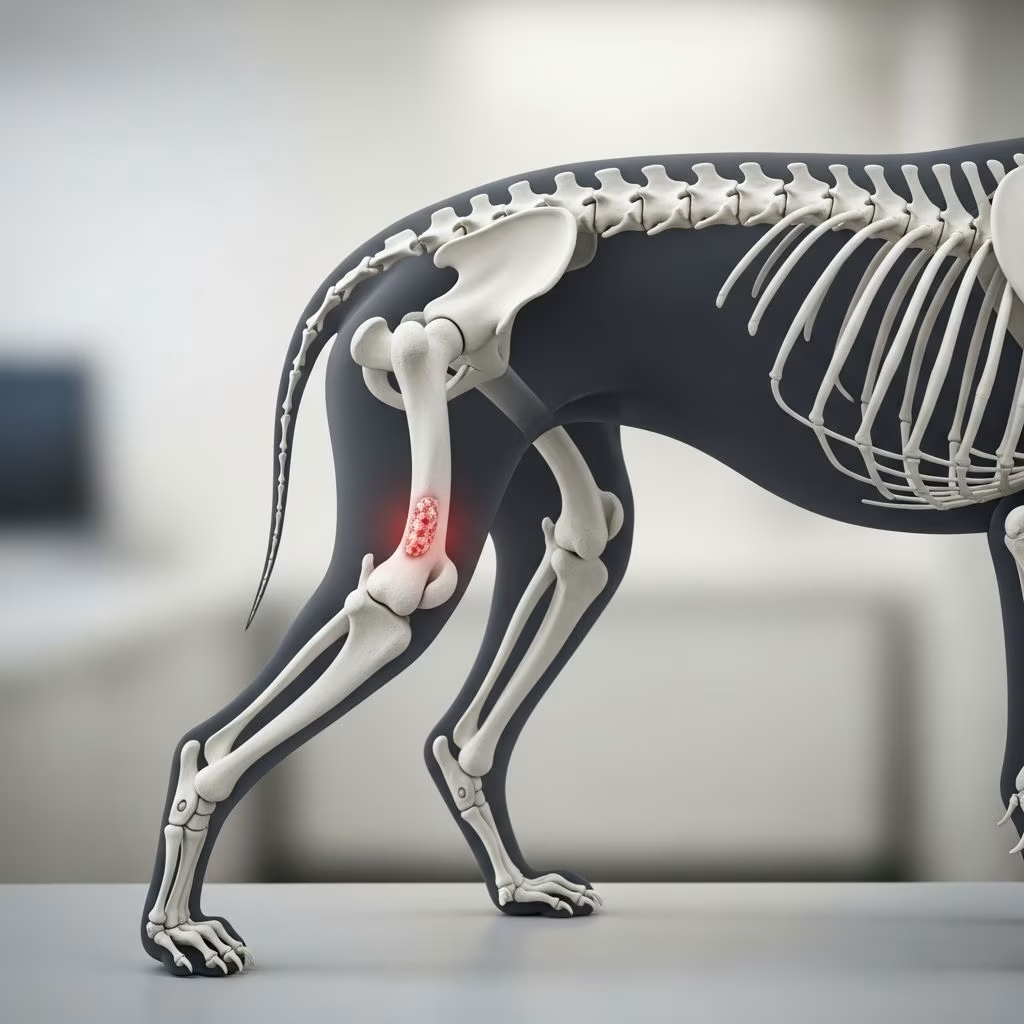
Osteosarcoma represents one of the most formidable health challenges facing dog owners today. This aggressive malignancy of bone tissue affects thousands of dogs annually, with large and giant breed dogs bearing a disproportionate burden of disease. Understanding the nature of this condition, recognizing early warning signs, and exploring available treatment pathways can significantly impact your pet’s prognosis and quality of life during treatment.
What Defines Osteosarcoma in Canines
Osteosarcoma is the primary malignant bone tumor diagnosed in dogs, accounting for approximately 85% of all bone tumors in the canine population. This devastating disease arises from the uncontrolled proliferation of bone-forming cells, creating a rapidly expanding lesion that destroys normal bone structure and causes severe pain. Unlike benign bone growths, osteosarcoma exhibits aggressive biological behavior, frequently spreading to distant organs, particularly the lungs, even in early disease stages.
The tumor typically develops in the long bones supporting a dog’s limbs, with the forelimbs affected more commonly than the hindlimbs. The areas around the shoulder, elbow, hip, and knee joints represent the most frequent sites of tumor development. This anatomical predilection contributes to significant functional impairment, as these locations bear substantial weight and stress during normal movement and activity.
Breeds and Populations Most Vulnerable to Disease
Certain dog breeds inherit a substantially elevated risk for developing osteosarcoma compared to smaller breeds and mixed-breed populations. Large and giant breed dogs weighing over 50 pounds demonstrate dramatically increased susceptibility.
The breeds with the highest documented risk include:
- Great Danes
- Irish Wolfhounds
- Rottweilers
- Saint Bernards
- Bernese Mountain Dogs
- Golden Retrievers
- Labrador Retrievers
- Greyhounds
- German Shepherds
- Doberman Pinschers
Beyond breed genetics, certain dog morphologies confer additional risk. Dogs exhibiting dolichocephalic head structure and taller body frames show increased vulnerability compared to chondrodystrophic breeds with shorter legs. This suggests that rapid growth rates and body size mechanics during development may facilitate cellular transformation and tumor initiation.
Age represents another critical risk factor, with osteosarcoma predominantly affecting middle-aged to older dogs. The average age of diagnosis falls between 8 and 10 years, though younger large-breed dogs can occasionally develop the condition. Some giant breed dogs, such as Scottish Deerhounds, demonstrate extraordinarily elevated risk—up to 118 times higher than general canine populations.
Recognizing Clinical Manifestations
Early detection significantly improves treatment outcomes and prognosis. Dog owners should remain vigilant for behavioral and physical changes that may indicate underlying bone malignancy.
Common clinical signs include:
- Lameness or limping—Often the earliest and most noticeable symptom, typically affecting a single limb
- Localized swelling—Visible enlargement or thickening at the tumor site
- Pain with movement—Reluctance to bear weight on the affected limb
- Loss of muscle mass—Decreased muscle development in the affected limb due to disuse
- Lethargy and reduced activity—Increased fatigue and unwillingness to exercise
- Weight loss—Unintentional decrease in body weight
- Pathological fractures—Breaking of the affected bone due to tumor-induced structural weakness
- Respiratory compromise—Breathing difficulties when metastatic disease affects the lungs
These signs frequently develop insidiously, progressing from subtle lameness to pronounced disability over weeks to months. Some owners initially attribute early lameness to arthritis or age-related changes, potentially delaying professional evaluation. Any persistent limping or functional decline warrants veterinary investigation.
Diagnostic Procedures and Confirmation Methods
Establishing a definitive osteosarcoma diagnosis requires a systematic approach combining physical examination, imaging studies, and tissue analysis.
Physical Examination and Clinical Assessment
Veterinarians begin with thorough orthopedic evaluation, assessing pain response, palpating swelling, and evaluating limb functionality. The localized pain response to manipulation often guides clinicians toward the affected bone region.
Radiographic Imaging
X-rays represent the initial imaging modality of choice, providing visualization of bone structure and identifying characteristic osteosarcoma features. These include mixed areas of bone destruction and new bone formation, often creating a distinctive “sunburst” or “onion skin” radiographic appearance. X-rays also help evaluate whether the tumor has caused fractures or compromised bone integrity.
Advanced Imaging Techniques
Computed tomography (CT) scans offer superior detail regarding tumor extent and invasion into surrounding soft tissues. This information proves invaluable for surgical planning, allowing surgeons to precisely define tumor margins and assess feasibility of limb-sparing approaches.
Tissue Biopsy
While imaging findings often strongly suggest osteosarcoma, definitive diagnosis requires tissue confirmation through biopsy. This procedure involves obtaining a bone sample for histopathological examination under microscopy. Biopsy not only confirms malignancy but also guides treatment planning and helps rule out other bone pathologies.
Staging and Metastatic Evaluation
After diagnosis, veterinarians assess disease extent through thoracic (chest) radiographs or CT imaging to detect pulmonary metastases. Bloodwork provides baseline values and evaluates organ function prior to treatment initiation. Complete staging information determines prognosis and influences treatment recommendations.
Evidence-Based Treatment Approaches
Modern osteosarcoma management combines multiple therapeutic modalities to maximize survival duration and maintain quality of life. Treatment selection depends on tumor location, disease stage, individual dog health status, and owner preferences.
Surgical Management: Amputation
Amputation of the affected limb represents the most widely utilized and effective primary treatment. This procedure involves complete removal of the cancerous bone and surrounding affected tissue. When combined with adjuvant chemotherapy, amputation substantially reduces metastatic disease risk and extends survival times.
The psychological concern many owners express regarding three-legged ambulation frequently proves unfounded. Most dogs demonstrate remarkable adaptation to tripod locomotion, returning to normal activity levels and enjoying excellent quality of life. Dogs lack the psychological burden associated with limb loss that humans experience, instead rapidly compensating through biomechanical adjustments and utilizing remaining limbs effectively.
Amputation represents a predictable, low-risk surgical procedure with rapid recovery trajectories and minimal complications. Dogs typically begin weight-bearing within days and resume normal activity within weeks.
Limb-Sparing Surgical Alternatives
For dogs where amputation is unacceptable to owners, limb-sparing procedures may preserve limb function while removing the tumor. These approaches involve surgical resection of the cancerous bone followed by reconstruction using bone grafts, prosthetic implants, or other structural supports. However, limb-sparing surgery requires highly specialized expertise and remains available at only select specialty surgical centers.
Stereotactic Radiation Therapy
Stereotactic radiation therapy (SRS/SRT) offers a non-invasive alternative to amputation for selected cases. This advanced technique delivers highly focused, high-dose radiation directly to tumor tissue with sub-millimeter precision, minimizing damage to surrounding normal structures. SRS/SRT may be particularly beneficial when tumor location precludes surgical removal or when dogs have not yet destroyed significant bone architecture.
The advantages of stereotactic radiation include faster recovery compared to surgery, fewer side effects, and potential preservation of limb function. However, follow-up chemotherapy remains necessary even after radiation therapy to address potential micrometastatic disease.
Chemotherapy Administration
Chemotherapy integrated with surgery or radiation dramatically improves survival outcomes. This systemic treatment targets circulating cancer cells and micrometastases beyond the primary tumor site. When amputation is combined with chemotherapy, median survival times extend to 10-18 months, compared to approximately 5 months with surgery alone.
Chemotherapy protocols typically employ carboplatin or doxorubicin, administered in multiple treatment cycles spaced several weeks apart. Modern protocols combine multiple agents sequentially to maximize efficacy while minimizing cumulative toxicity.
Palliative and Supportive Care Approaches
For dogs where curative treatment is declined or medically inappropriate, palliative care focuses on maximizing comfort and quality of life. This approach emphasizes pain management using nonsteroidal anti-inflammatory drugs (NSAIDs), opioid analgesics, and bisphosphonates—medications that reduce bone pain and slow bone destruction.
Conventional radiation therapy delivered in lower doses than stereotactic approaches can reduce pain and inflammation, providing meaningful comfort improvement. Acupuncture and cold laser therapy represent adjunctive modalities some owners pursue for additional pain relief.
Multimodal Pain Management Strategies
Regardless of primary treatment approach selected, aggressive pain control remains essential throughout treatment and recovery periods. Comprehensive pain management typically includes:
- NSAIDs providing baseline anti-inflammatory and analgesic effects
- Opioid medications for breakthrough pain and post-surgical discomfort
- Bisphosphonate therapy reducing bone pain and slowing tumor progression
- Adjunctive therapies including acupuncture and laser therapy
- Environmental modifications minimizing movement stress
Supporting Your Dog During Treatment and Recovery
Beyond medical interventions, environmental and nutritional modifications substantially impact outcomes. Supportive harnesses and ramps reduce physical strain during mobility recovery. Padded bedding provides comfort and reduces pressure on healing tissues. Balanced nutrition incorporating omega-3 fatty acids and antioxidants supports immune function and reduces inflammation.
Regular veterinary monitoring with chest imaging and bloodwork enables early detection of recurrence or metastatic progression. This proactive approach permits timely intervention when disease recurrence occurs.
Emerging Therapeutic Developments
Contemporary research explores innovative treatment modalities offering hope for improved outcomes. Immunotherapies activate the immune system to recognize and eliminate cancer cells. Oncolytic virus therapies utilize engineered viruses to selectively kill tumor cells. Therapeutic vaccines and tyrosine kinase inhibitors represent additional investigational approaches showing promise in preliminary studies.
Frequently Asked Questions Regarding Canine Osteosarcoma
Can osteosarcoma be prevented?
Currently, no proven prevention strategies exist for osteosarcoma. However, maintaining healthy weight, avoiding traumatic bone injuries, and limiting unnecessary radiation exposure from imaging studies represent prudent general health measures.
What is the typical survival duration with treatment?
With aggressive treatment combining amputation and chemotherapy, many dogs survive 10-18 months with good quality of life. Without treatment, survival typically does not exceed several months as pain intensifies and metastatic disease progresses.
Will my dog adapt to three-legged life after amputation?
The vast majority of dogs adapt remarkably well to amputation, resuming normal activity, play, and exercise within weeks. Dogs do not possess the psychological complications humans experience with limb loss.
Is amputation truly necessary?
Amputation remains the most effective treatment approach, though alternatives including limb-sparing surgery and radiation therapy may be available depending on specific circumstances and facility expertise.
References
- Canine Osteosarcoma – Vet Guide 2025 — Ask A Vet. 2025. https://askavet.com/blogs/news/canine-osteosarcoma-vet-guide-2025
- Osteosarcoma in Dogs: What Owners Need to Know — Port City Pets. 2025. https://www.portcitypets.com/services/dogs/blog/osteosarcoma-dogs-signs-treatment-and-what-owners-need-know
- What You Should Know About Osteosarcoma (Bone Cancer) In Dogs — PetCure Oncology. 2025. https://petcureoncology.com/what-you-should-know-about-osteosarcoma-bone-cancer-in-dogs/
- Osteosarcoma in dogs — Cornell University College of Veterinary Medicine. 2025. https://www.vet.cornell.edu/departments-centers-and-institutes/riney-canine-health-center/canine-health-topics/osteosarcoma-dogs
- Osteosarcoma in Dogs – A Pet Parent’s Guide — Pacific Santa Cruz Veterinary. 2022. https://www.pacificsantacruzvet.com/site/blog/2022/11/30/osteosarcoma-dog
- What do we know about canine osteosarcoma treatment? – review — PubMed Central. 2014. https://pmc.ncbi.nlm.nih.gov/articles/PMC4330401/
- An overview of osteosarcoma — DVM360. 2025. https://www.dvm360.com/view/an-overview-of-osteosarcoma
- Osteosarcoma in dogs — William M. Referrals. 2025. https://www.wm-referrals.com/images/content/factsheets/pet-owners/information-sheet-osteosarcoma-decision-making.pdf



