

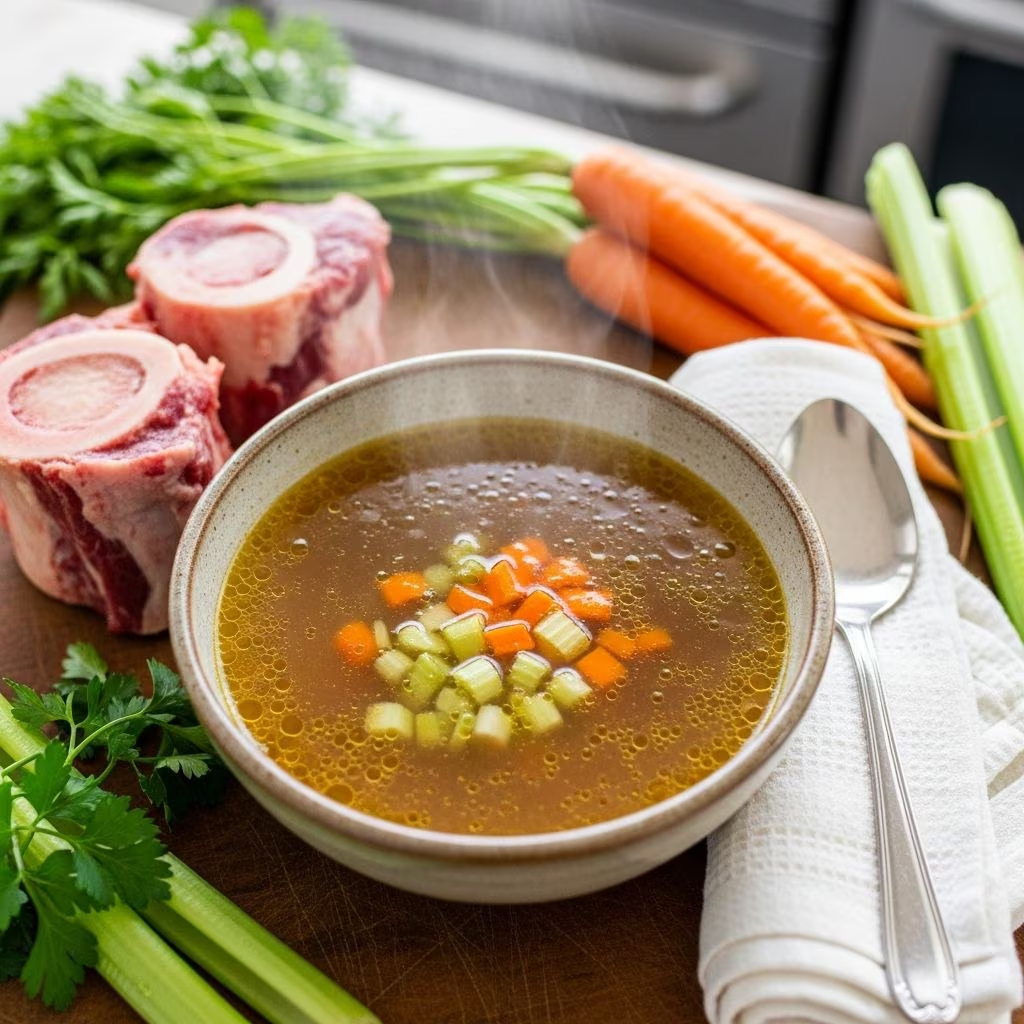
Slurp-Worthy Bone Broth for Dogs and Cats Recipe
If your beloved pet has ever watched you enjoy a warm, silky-smooth bowl of homemade broth with obvious longing, you’re in for good news. Bone broth is an amazing, nutrient-rich treat that both dogs and cats can safely enjoy. The best part? It’s incredibly simple to make at home using basic, pet-safe ingredients and kitchen equipment you likely already have on hand. This versatile recipe can be prepared using an Instant Pot, slow cooker, or traditional stock pot, making it accessible to pet parents of all cooking skill levels.
This dog and cat-friendly bone broth recipe was thoughtfully created by Marge Perry and David Bonom, renowned cookbook authors and co-founders of Trunk Pop Dinners. Their recipe has been reviewed by veterinarians to ensure it meets the nutritional needs of your furry family members. Whether you’re looking for a warming treat during cold months or a year-round nutritional supplement, this bone broth recipe offers the perfect solution to add variety and nutrition to your pet’s diet.
Important Note: Pet parents looking to incorporate new foods into their dog or cat’s diet should consult with their veterinarian beforehand to ensure the recipe is appropriate for their pet’s individual health needs and dietary requirements.
Recipe Overview and Yield
Belly-Warming Bone Broth Recipe
This recipe produces approximately 6 cups of delicious, nutrient-dense bone broth that can be portioned and stored for multiple servings.
- Yield: About 6 cups
- Serving size: 2 tablespoons per 20 pounds of body weight
- Prep time: 30 minutes (includes straining and skimming the fat)
- Cook time: 2 to 8 hours, with an additional 30 minutes for cooling
Ingredients You’ll Need
The beauty of this bone broth recipe lies in its simplicity. You’ll need just a handful of readily available, pet-safe ingredients:
- 4 to 4.5 pounds of chicken backs, wings, drumsticks, or thighs
- 2 carrots, peeled and chopped
- 2 celery stalks, chopped
- 3 sprigs of fresh thyme
- Water to cover, approximately 1.5 quarts
Supplies and Equipment
Before you begin cooking, gather the following supplies from your kitchen:
- Instant Pot, slow cooker, or stock pot
- Knife and cutting board
- Vegetable peeler
- Strainer
- Cheesecloth (optional, for clearer broth)
- Ice cube trays (optional, for convenient portions)
- Mason jars (optional, for storage)
Step-by-Step Cooking Instructions
Step 1: Prepare Your Ingredients
Begin by adding the chicken, chopped carrots, chopped celery, and fresh thyme sprigs to your chosen cooking vessel—whether that’s an Instant Pot, slow cooker, or stock pot. Pour in enough water to cover all the ingredients, approximately 1.5 quarts. Make sure everything is submerged to ensure proper extraction of nutrients and flavor.
Step 2: Cook According to Your Method
The cooking time varies depending on which appliance you’re using:
For the Instant Pot: Cover and cook on high pressure for 2 hours. After the cooking cycle completes, allow the Instant Pot to depressurize naturally. Once the Instant Pot is safe to open (the safety valve has dropped), remove the lid and let the broth cool for 30 minutes before proceeding to the next step.
For the Stock Pot: Cook uncovered over low heat for 4 hours. This slow, gentle cooking method allows the bones and vegetables to gradually release their nutrients into the water, creating a rich, flavorful broth.
For the Slow Cooker: Cook covered on low heat for 8 hours. This is an excellent option if you want to prepare the broth overnight or while you’re away from home. The extended cooking time ensures maximum nutrient extraction.
Step 3: Strain the Broth
Set a strainer over a large bowl and carefully pour the chicken bone broth through it. All the solid ingredients—the bones, vegetables, and herbs—will remain in the strainer. For a clearer, more refined broth, you can line the strainer with cheesecloth before pouring. This extra step removes any sediment or cloudiness, creating a crystal-clear finished product. Be sure to discard all solids, especially the animal bones, as these should never be served to pets.
Step 4: Cool and Remove Fat
Allow the strained broth to cool to room temperature, then refrigerate for 3 to 4 hours or until any fat on the surface has solidified into a layer. Once chilled, carefully scoop off this solidified fat and discard it. Removing the fat makes the broth easier for your pet’s digestive system to process and reduces overall calorie content. After removing the fat, divide the broth into your desired portion sizes before storing.
How to Serve Bone Broth to Your Pets
Bone broth is incredibly versatile and can be served in several different ways to suit your pet’s preferences and your lifestyle:
As a Food Topper
One of the most popular serving methods is to use bone broth as a food topper. This works wonderfully for picky eaters who need a little extra incentive to finish their meals. You can drizzle the broth directly over your pet’s dry kibble to add moisture, flavor, and nutritional value. For pets on wet food diets, mix a small amount of broth into their canned food for added hydration and taste enhancement. Always allow the broth to cool completely before serving to prevent burning your pet’s mouth.
As a Nutritious Drink
Once the broth has cooled, pour it into a bowl or cup and let your pet lap it up as a standalone drink. This is an excellent way to increase your pet’s daily water intake, especially for cats who may not drink enough water throughout the day. However, moderation is key—serve approximately 1 ounce (or 2 tablespoons) per 20 pounds of body weight once daily. While your dog or cat may beg for bone broth all day long, remember that this recipe is intended for intermittent or supplemental feeding only, not as a complete meal replacement.
Storage Methods and Tips
Proper storage ensures your homemade bone broth stays fresh and safe for your pets to consume. Here are several effective storage options:
Ice Cube Trays
Ice cube trays offer the most convenient storage solution, especially for smaller pets or for those who want perfectly portioned servings. Once your broth has cooled to room temperature, pour it into the trays, filling each section about three-quarters full. Place the trays in the freezer until solid. Once frozen, you can pop out individual broth cubes and store them in a freezer-safe bag for up to three months. This method makes it incredibly easy to thaw just the right amount for a single serving without waste.
Mason Jars
Mason jars work excellently for storing larger quantities of bone broth. Once your broth has cooled completely to room temperature, carefully pour it into each jar, leaving at least 1 inch of space from the top to allow for expansion as the liquid freezes. Screw on the lid, but don’t seal it all the way—leaving it slightly loose prevents the glass from cracking due to expansion. Store in the freezer for convenient long-term storage.
Refrigerator Storage
If you plan to use the broth within a few days, refrigeration is a simple option. Transfer the cooled broth to an airtight container within one hour of preparation. Consume the refrigerated broth within three to four days to ensure freshness and food safety. If your pet cannot consume the broth within that timeframe, transfer it to the freezer immediately to preserve its nutritional value.
Important Safety and Health Considerations
While bone broth is generally safe and beneficial for most pets, there are several important considerations to keep in mind:
- Ingredient Safety: Never add salt, onion, garlic, or chives to your pet’s bone broth, as these ingredients are toxic to both dogs and cats and can cause serious health problems.
- Bone Removal: Ensure that absolutely no bones remain in the broth before serving, as cooked bones can splinter and cause internal injuries.
- Treat Proportions: Remember that this recipe is intended as a treat, snack, or food topper, not as a meal replacement. Treats should constitute only a small percentage of your pet’s daily food intake.
- Health Considerations: Consult your veterinarian before offering bone broth if your pet has food allergies, sensitivities to fats, or any underlying health issues.
- Veterinary Consultation: This recipe has been reviewed by a veterinarian, but individual pets have unique nutritional needs. Always discuss new foods with your pet’s healthcare provider.
Why Bone Broth Benefits Your Pets
Bone broth offers numerous nutritional benefits for both dogs and cats. It contains collagen, gelatin, and essential amino acids that support digestive health and joint function. The amino acid glycine supports liver detoxification, while the collagen strengthens the intestinal lining and promotes better nutrient absorption. For senior pets or those with diminished appetites, the appealing aroma and taste of bone broth can encourage them to eat more, ensuring they receive adequate nutrition.
Frequently Asked Questions (FAQs)
Q: Can both dogs and cats safely eat this bone broth recipe?
A: Yes, this recipe has been specifically designed and veterinarian-reviewed for both dogs and cats. However, always consult your veterinarian about your individual pet’s needs before introducing any new food.
Q: How often can I serve bone broth to my pet?
A: Bone broth should be served as an occasional treat or supplement, approximately once daily in the recommended portion size. It should not constitute a large portion of your pet’s daily caloric intake.
Q: Can I use different types of bones like beef or turkey?
A: Yes, you can substitute chicken bones with beef bones or turkey bones. Simply follow the same cooking times and instructions. For turkey, ensure you remove any sharp leg bones before cooking.
Q: How long can I store bone broth in the freezer?
A: Properly frozen bone broth in ice cube trays or mason jars can be stored for up to three months. Always use airtight, freezer-safe containers to prevent freezer burn.
Q: What should I do if my pet has a sensitive stomach?
A: Start with very small portions and introduce bone broth gradually over several days. If your pet experiences any digestive upset, discontinue use and consult your veterinarian before continuing.
Q: Can I add other vegetables or herbs to the recipe?
A: While this recipe includes pet-safe vegetables and herbs, consult your veterinarian before adding any other ingredients. Many common cooking ingredients are toxic to pets.
References
- Slurp-Worthy Bone Broth for Dogs and Cats Recipe — Chewy.com. 2024. https://www.chewy.com/education/cat/food-and-nutrition/bone-broth-recipe-for-dog-cats
- Bone Broth for Cats: Benefits and Preparation Information — Chewy.com. 2024. https://www.chewy.com/education/cat/food-and-nutrition/nutrition-pet-diet-tips-the-health-benefits-of-bone-broth-for-cats
- 9 Health Benefits of Bone Broth for Dogs — Chewy.com. 2024. https://www.chewy.com/education/dog/food-and-nutrition/bone-broth-for-dogs



