

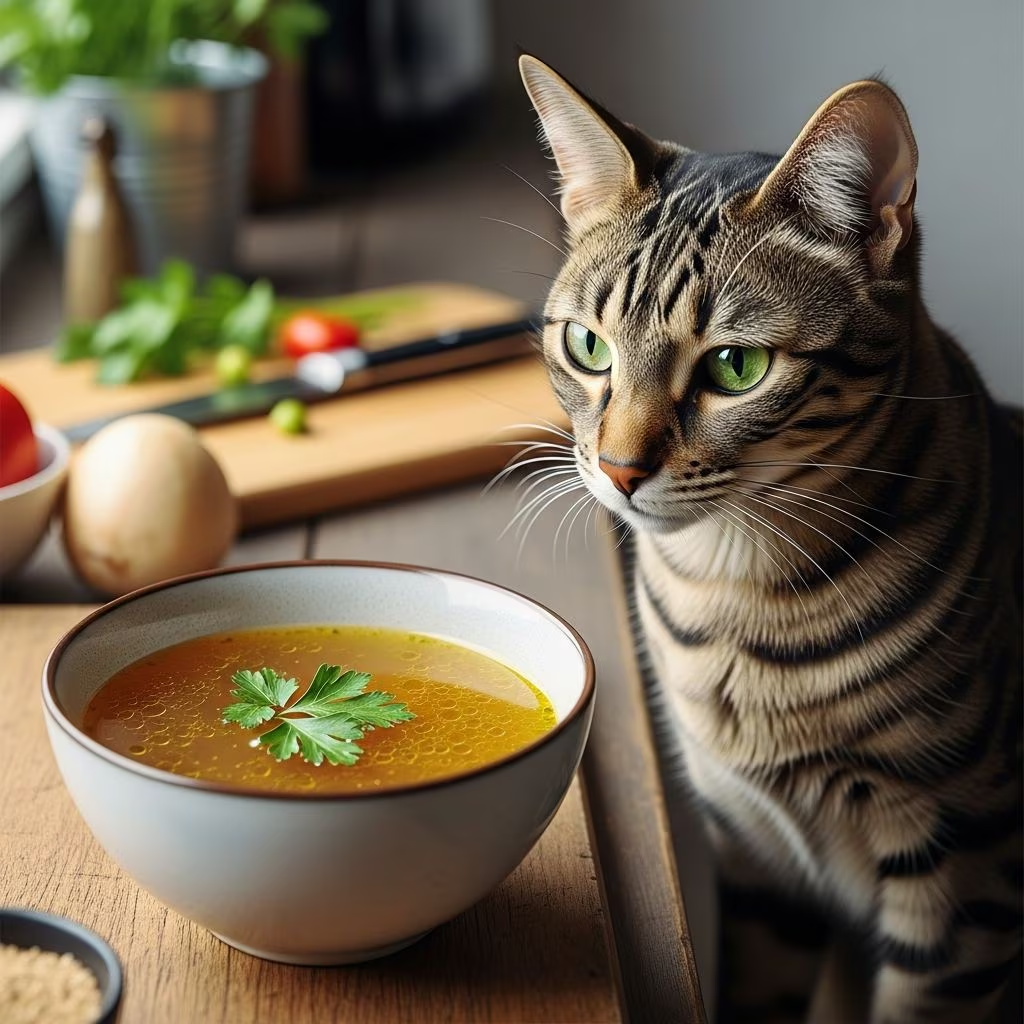
Bone Broth for Cats: Benefits and Preparation Information
Bone broth has emerged as a popular nutritional supplement for feline companions, offering a range of health benefits that support overall wellness. This savory liquid, derived from simmering animal bones, is packed with essential nutrients that can enhance your cat’s diet and address various health concerns. Whether your cat is recovering from illness, dealing with digestive issues, or simply needs nutritional support, bone broth provides a natural and easily digestible option.
Understanding Bone Broth
Bone broth is created by slowly simmering animal bones—typically from chicken, beef, or turkey—for extended periods, usually 20 or more hours. This slow-cooking process extracts valuable nutrients, collagen, minerals, and amino acids from the bones into the liquid. The result is a nutrient-dense broth that contains gelatin, glucosamine, chondroitin, and various vitamins and minerals beneficial for feline health.
Key Health Benefits of Bone Broth for Cats
Detoxifying the Liver
One of the most significant benefits of bone broth is its role in liver detoxification. Bone broth delivers substantial amounts of glycine, an amino acid essential for the liver to eliminate toxins present in food, water, and pesticide treatments. Similar to humans, cats accumulate toxins in their livers over time. The glycine content in bone broth supports the liver’s natural detoxification processes, helping your cat feel healthier and more energetic as harmful substances are cleared from their system.
Boosting the Digestive Tract
Collagen, a primary component of bone broth, plays a crucial role in strengthening the intestinal lining. This protective barrier prevents undigested food particles and bacteria from seeping into the bloodstream—a condition known as leaky gut. For cats with inflammatory bowel disease (IBD), particularly colitis, bone broth’s collagen content can be especially beneficial. The easily digestible nature of bone broth makes it ideal for senior cats and those recovering from illness, as it encourages them to eat while restoring essential nutrients to their bodies.
Strengthening the Immune System
Bone marrow, extracted through the broth-making process, carries oxygen to the body’s cells and bolsters the immune system’s ability to combat illnesses. This is particularly valuable for cats facing health challenges or during seasonal changes. The vitamins and minerals present in bone broth provide your cat with the nutritional support needed to maintain a robust immune response.
Supporting Joint Health
Cats with arthritis or other joint-related issues can benefit significantly from bone broth’s mineral content. The broth naturally contains glucosamine, chondroitin, and hyaluronic acid—compounds specifically studied for their positive effects on joint health and mobility. These easily-absorbed minerals, including magnesium and glucosamine, help alleviate joint pain and support cartilage regeneration. Regular consumption may improve mobility and comfort, especially in senior felines.
Maintaining Healthy Bones and Teeth
Bone broth is rich in calcium and phosphorus, minerals crucial for maintaining and healing bones and teeth. These minerals also play a vital role in generating energy and supporting overall physical function. Regular intake of bone broth can be particularly helpful for cats recovering from bone injuries or those with calcium deficiencies.
Enhancing Coat and Skin Health
The amino acids present in bone broth, particularly glycine and proline, support collagen production and maintain healthy skin and a shiny coat. These nutrients enhance skin elasticity and coat strength, potentially reducing dryness, itchiness, and excessive shedding. The high water content of bone broth also contributes to better hydration, which is essential for maintaining a lustrous coat.
Improving Hydration
Cats naturally have a low thirst drive, making it challenging for them to consume adequate water. Bone broth provides a flavorful way to increase fluid intake, particularly beneficial for cats on a dry food diet or those with urinary tract concerns. This additional hydration supports organ function and helps prevent urinary issues.
Boosting Nutrition and Appetite
For picky eaters or senior cats whose appetites have diminished, bone broth offers an aromatic and palatable solution. The savory flavor encourages cats to eat, while the easy digestibility ensures they receive maximum nutritional benefit. This is especially helpful for cats with food sensitivities or those recovering from illness.
Bone Broth for Cats with Urinary Tract Issues
Urinary tract infections (UTIs) are common feline health problems, and bone broth can play a supportive role in management. In addition to maintaining proper pH levels and strengthening the bladder wall, keeping your cat hydrated is vital. Bone broth provides the critical hydration needed while supplying nutrients and minerals that combat infections. Additionally, amino acids in bone broth such as glycine and arginine have been demonstrated to alleviate inflammation associated with urinary issues. Mixed into drinking water, bone broth can encourage hydration and reduce the risk of UTI development.
Anti-Inflammatory Properties
The gelatin and amino acids in bone broth possess mild anti-inflammatory components that help cats fight inflammation throughout their bodies. This anti-inflammatory effect can help address upper respiratory infections and support recovery from various inflammatory conditions. The gelatin also promotes the growth of beneficial gut bacteria, contributing to a healthy digestive system.
Gentle Support for Sensitive Stomachs
For cats with sensitive stomachs or those recovering from illness, bone broth provides a mild, warm, and soothing option. The nutrient profile supports immune health while being gentle enough for compromised digestive systems. This makes bone broth an excellent choice for post-surgery recovery or during bouts of gastrointestinal upset.
How to Make Bone Broth for Your Cat
Making bone broth is straightforward but requires patience and time. Here’s what you need to know about preparation:
Essential Equipment and Ingredients
You’ll need a slow cooker, as this cooking method is essential for proper extraction of nutrients over extended periods. Using your stovetop to simmer bones for 20-plus hours isn’t practical. Begin with leftover bones from turkey, chicken, or beef—bones you might otherwise discard provide an economical starting point.
Basic Preparation Steps
Start with the simplest bone broth recipe from your leftover bones, then customize your next batch with different meat sources. The slow cooking process extracts collagen, gelatin, and minerals into the broth, creating a nutrient-rich liquid that’s safe and beneficial for your feline friend.
Recipe Resources
Plenty of reliable recipes can be found online and in cookbooks specializing in pet meals. Many reputable pet nutrition sources provide detailed instructions for creating cat-safe bone broth. When following recipes, ensure they don’t include ingredients harmful to cats, such as garlic or onions.
Selecting Quality Bone Broth Products
If preparing bone broth at home seems daunting, commercial bone broth products specifically formulated for cats are available. When selecting a product, look for:
– High-quality, human-grade ingredients- No added salt, garlic, or onions- Products specifically formulated for feline nutritional needs- Brands with transparent sourcing and preparation methods- Products containing visible gelatin and collagen
Incorporating Bone Broth Into Your Cat’s Diet
When introducing bone broth to your cat’s diet, start gradually to allow their digestive system to adjust. You can offer bone broth as:
– A warm beverage served separately- A topper mixed with regular food- An addition to their water bowl to encourage hydration- A special treat for picky eaters
Begin with small amounts and monitor your cat’s response. Most cats respond positively to the introduction of bone broth, showing increased appetite and improved energy levels.
Safety Considerations
While bone broth is generally safe for cats, certain precautions should be taken. Ensure the broth contains no onions, garlic, excessive salt, or spices—all potentially harmful to felines. Always serve bone broth at an appropriate temperature, avoiding anything too hot. If your cat has specific health conditions or dietary restrictions, consult with your veterinarian before introducing bone broth to their diet.
Frequently Asked Questions
Q: How often should I give my cat bone broth?
A: Most cats can benefit from bone broth several times per week or daily in small amounts. Start with small quantities and observe your cat’s response. Consult your veterinarian for personalized recommendations based on your cat’s specific health needs and dietary requirements.
Q: Is bone broth safe for kittens?
A: Yes, bone broth can be beneficial for kittens as it supports growth, development, and immune function. However, introduce it gradually and ensure it’s appropriate for their age and digestive system. Always use plain broth without additives.
Q: Can bone broth help with my cat’s arthritis?
A: Yes, the glucosamine, chondroitin, and collagen in bone broth support joint health and may help alleviate arthritis symptoms. Regular consumption could improve mobility and comfort, particularly in senior cats with joint issues.
Q: How long does homemade bone broth last?
A: Homemade bone broth can be refrigerated for up to five days or frozen for several months. Store it in ice cube trays for convenient portioning and easy thawing.
Q: Should I add salt to bone broth for my cat?
A: No, do not add salt or seasonings to bone broth for cats. Keep it plain to ensure it remains safe and healthy for feline consumption.
Q: Can I give bone broth to my cat if they have kidney disease?
A: Consult your veterinarian before giving bone broth to cats with kidney disease, as some cats with this condition may need to limit mineral intake. Your vet can provide personalized guidance.
Q: What’s the difference between bone broth and regular broth?
A: Bone broth is simmered for extended periods (20+ hours) to extract maximum nutrients, collagen, and gelatin from bones, while regular broth is typically prepared for shorter periods and may contain added ingredients unsuitable for cats.
Conclusion
Bone broth represents a natural and nutrient-dense addition to your cat’s diet, offering multiple health benefits from liver detoxification to joint support. Whether your feline companion is a senior cat dealing with arthritis, a picky eater needing nutritional encouragement, or simply a healthy cat seeking optimal wellness, bone broth provides easily digestible nutrition that most cats readily accept. The simplicity of preparation combined with the comprehensive health benefits makes bone broth a worthwhile consideration for any cat owner committed to their pet’s long-term health and vitality.
References
- Bone Broth For Cats: Is It Good For Your Cat? — PetCubes. 2024. https://petcubes.com/blogs/cat-vitamins/bone-broth-for-cats
- Benefits of Bone Broth for cats and kittens — GoofyTails. 2024. https://goofytails.com/blogs/blog/benefits-of-bone-broth-for-cats-and-kittens
- Bone Broth for Cats: Benefits and Preparation Information — Chewy. 2024. https://www.chewy.com/education/cat/food-and-nutrition/nutrition-pet-diet-tips-the-health-benefits-of-bone-broth-for-cats
- Bone Broth for Cats: Benefits & How to Feed It To Your Feline — RAWZ Natural Pet Food. 2024. https://rawznaturalpetfood.com/bone-broth-for-cats/
- The Nutritional Benefits of Bone Broth for Dogs and Cats — Tom and Sawyer. 2024. https://tomandsawyer.com/blogs/news/the-nutritional-benefits-of-bone-broth-for-dogs-and-cats-a-healthy-addition-to-their-diet
- Is Bone Broth Good for Cats? — Now Fresh. 2024. https://nowfresh.com/en-eu/blog/is-bone-broth-good-for-cats
- 5 Amazing Health Benefits of Bone Broth for Dogs and Cats — FurFresh. 2024. https://furfresh.com.au/blogs/dog-nutrition/5-amazing-health-benefits-of-bone-broth-for-dogs-and-cats



