
Bonded Conures Displaying Mating Behavior
Managing mating behavior in bonded conures: expert guidance for responsible pet ownership.
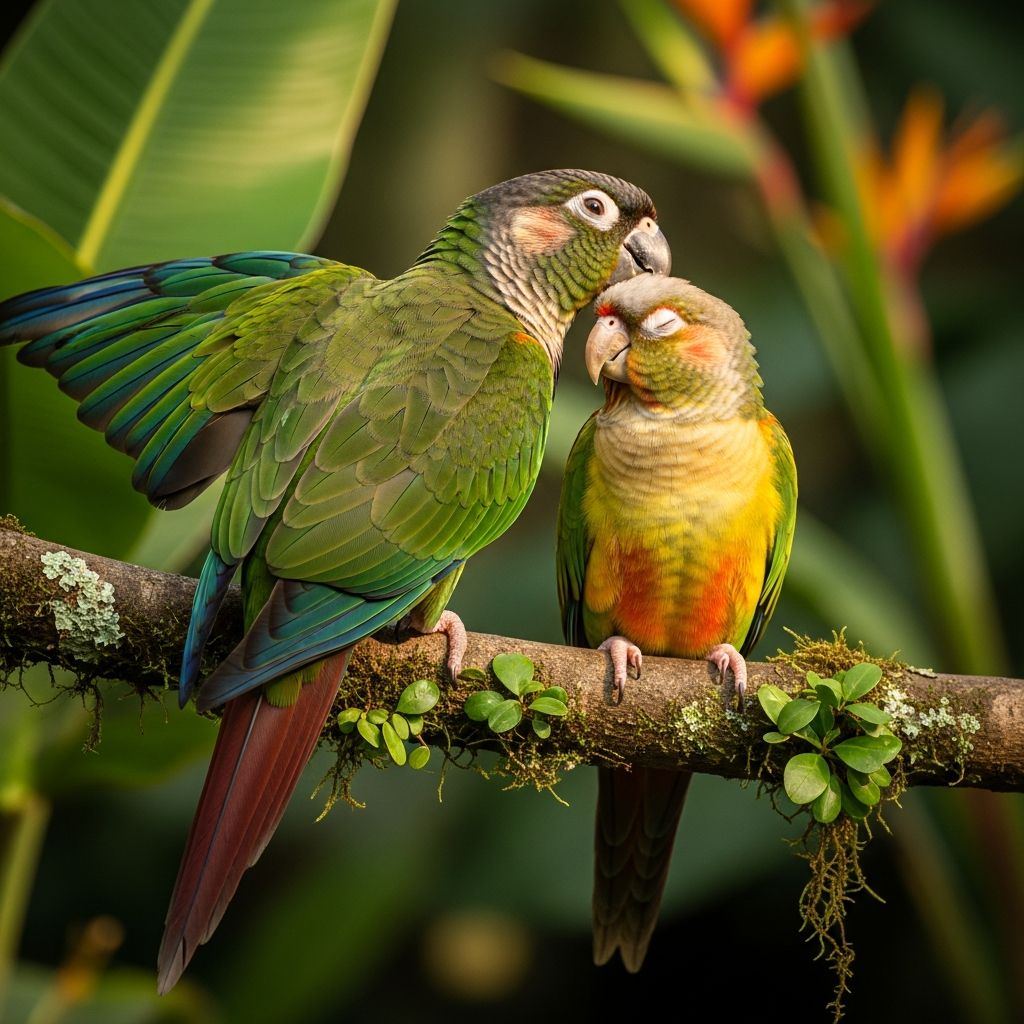
Understanding Bonded Conures and Mating Behavior
When two conures form a strong bond, they often display behaviors that mirror those of natural mates in the wild. This bonding can be incredibly beneficial for your birds, providing them with companionship and emotional support, especially when you’re away for extended periods. However, bonded pairs frequently begin displaying mating behaviors as they mature, which can present challenges for owners who don’t wish to breed their birds. Understanding these behaviors and knowing how to manage them appropriately is essential for maintaining the health and happiness of your feathered companions.
Many bird owners face the situation where two bonded conures—whether a black-capped conure with a green-cheek conure or any other combination—begin grooming each other, feeding each other, and exhibiting clear mating behaviors. While this demonstrates a healthy bond, it can lead to unwanted egg-laying or breeding if not properly managed. The key to success lies in understanding what triggers these behaviors and implementing appropriate management strategies.
Recognizing Mating Behavior in Bonded Conures
Identifying mating behavior is the first step toward managing it effectively. Several distinct signs indicate that your bonded conures are entering breeding mode:
Grooming and Preening Behaviors: When bonded conures groom and feed each other regularly, they’re displaying mate-like behaviors. This mutual preening and regurgitation are natural indicators of a strong pair bond and potential reproductive readiness.
Posturing and Positioning: Male conures often crouch low to surfaces or display specific body postures that signal mating intentions. These positions become more pronounced during breeding season, which typically corresponds to spring in temperate climates.
Increased Vocalization and Aggression: Bonded pairs may become more vocal and protective of their mate. One bird may aggressively guard the other, preventing human interaction and displaying territorial behavior. This protective instinct is a natural part of reproductive preparation.
Nesting Behaviors: If your birds have access to nest boxes or enclosed spaces, they may begin constructing nests or spending significant time in these areas, signaling readiness to breed.
Why Separation Isn’t Always the Best Solution
While some sources recommend separating bonded pairs to prevent breeding, this approach has significant drawbacks. Bonded conures are deeply attached to each other and depend on their partner for emotional support and companionship. Separation can cause considerable stress and behavioral problems, including depression, aggression, and decreased quality of life. For owners with demanding work schedules—such as professional chefs working 10-12 hour days, six days a week—having a bonded pair is invaluable because the birds keep each other company during extended absences.
Separating a bonded pair often results in severe behavioral changes, including increased vocalization, aggression, feather plucking, and general unhappiness. The birds may refuse to eat, become withdrawn, or develop serious behavioral issues that persist even if they’re reunited later. Therefore, keeping bonded pairs together while managing mating behavior is generally the more humane approach.
Proper Handling Techniques for Breeding-Age Conures
One of the most effective ways to discourage unwanted breeding in bonded conures without separating them is through careful, conscious handling. The way you touch and interact with your birds directly influences their hormonal state and breeding readiness.
Head and Neck Petting Only: The most critical rule is to limit all petting to the head and neck area exclusively. Do not pet your conures on their body, wings, back, or tail feathers. Petting on the body stimulates hormones and can trigger or intensify mating behaviors. Body petting mimics mate-grooming behavior, sending signals to your bird’s brain that it’s time to breed.
Why Body Petting Encourages Breeding: In the wild, mate grooming focuses on the body and is a precursor to mating. When you pet your conure’s body, you’re essentially simulating this mate behavior, which signals to your bird’s reproductive system that breeding season has arrived. By restricting petting to the head and neck, you avoid triggering these hormonal responses.
Limited Handling Duration: During breeding season or when mating behaviors are prominent, consider reducing overall handling time. Short, pleasant interactions focused on the head and neck are preferable to extended petting sessions that might overstimulate your birds.
Environmental Management Strategies
Beyond handling techniques, environmental factors play a significant role in regulating breeding behavior. Several management strategies can help discourage unwanted breeding without separating your birds:
Extended Nighttime: Conures breed primarily during seasons with longer daylight hours. By providing earlier bedtimes and extended dark, quiet sleeping periods, you can simulate winter conditions, which naturally suppress breeding behaviors. Aim for 12-14 hours of sleep in a dark, quiet environment. This simple adjustment can significantly reduce hormonal activity and mating behaviors.
Remove Nesting Opportunities: Ensure your birds don’t have access to enclosed spaces, nest boxes, or dark corners where they might construct nests. Remove any coverings, tents, or hideaways that encourage nesting behavior. An open cage setup with perches and toys, but no enclosed nesting areas, helps discourage breeding readiness.
Temperature Control: Maintaining consistent, moderate temperatures can help regulate breeding cycles. Extreme temperature fluctuations or warm conditions can stimulate breeding. Keep your birds in an environment with stable temperatures, typically between 65-75 degrees Fahrenheit.
Dietary Considerations: While not a definitive solution, providing a diet that’s adequate but not overly rich in certain nutrients may help. High-protein, high-fat diets can stimulate breeding. A balanced diet with appropriate pellets, limited seeds, and fresh vegetables is ideal.
Age Considerations and Breeding Readiness
Understanding the appropriate breeding age for conures is essential. Green-cheek conures and similar species shouldn’t breed until they reach at least 3 years of age. Younger birds attempting to breed can suffer serious health consequences, including egg-binding, malnutrition, and developmental issues. If your bonded conures are under 3 years old and displaying mating behaviors, implementing the management strategies discussed above is particularly important.
Birds under one year old displaying breeding behaviors should definitely be monitored closely and kept from actually breeding. The extended nighttime and removal of nesting opportunities become especially critical for young pairs, as their bodies aren’t yet mature enough to handle the physical demands of reproduction.
Medical Perspectives and Birth Control Options
Some bird owners inquire about avian birth control options. While certain veterinary interventions exist, they’re not always recommended for pet birds and should only be considered under professional veterinary guidance. Hormonal implants or injections exist for birds, but they come with potential side effects and aren’t widely available through all avian veterinarians.
Before considering any medical interventions, consult with an avian veterinarian who can assess your specific situation and birds’ health status. In most cases, behavioral and environmental management strategies are sufficient and preferable to medical interventions.
Managing Behavioral Changes During Breeding Season
During breeding season, even well-managed bonded pairs may exhibit increased aggression, protectiveness, and reduced interest in human interaction. This is completely normal and doesn’t indicate that your management strategy has failed. Instead of forcing interaction during these periods, respect your birds’ natural inclinations while maintaining the handling guidelines mentioned above.
One bird in the pair may become particularly aggressive or protective, physically preventing the other from interacting with humans. This behavior typically subsides when breeding season ends or when you’ve successfully suppressed breeding readiness through the management strategies described. Patience and understanding during these periods are crucial.
Frequently Asked Questions
Q: Can I keep my bonded conures together and still prevent breeding?
A: Yes, absolutely. By limiting petting to the head and neck, providing extended nighttime, removing nesting opportunities, and maintaining appropriate temperatures, you can successfully prevent breeding while keeping your bonded pair together.
Q: What age should conures be before they can safely breed?
A: Green-cheek conures and similar species should be at least 3 years old before breeding. Breeding younger birds risks serious health complications for females, including egg-binding and developmental issues.
Q: Will my bonded conures be unhappy if I prevent them from breeding?
A: No. Conures in captivity don’t experience psychological distress from not breeding. They’re fully capable of being happy, healthy, and well-adjusted without reproducing. Their bond and companionship with their mate remains intact regardless of breeding status.
Q: Is it better to separate bonded conures or manage their behavior?
A: Keeping bonded conures together while managing their behavior is generally better than separation. Separated bonded pairs often suffer emotional distress, behavioral problems, and reduced quality of life. Behavioral management is the more humane approach.
Q: Why can’t I pet my conure’s body during breeding season?
A: Body petting simulates mate grooming, which triggers breeding hormones. By restricting petting to the head and neck, you avoid sending breeding signals to your bird’s reproductive system.
Q: How long should my conures sleep each night?
A: Conures typically need 12-14 hours of sleep per night. Providing adequate nighttime rest in a dark, quiet environment helps regulate hormones and discourages breeding behaviors.
Creating a Harmonious Environment
Successfully managing mating behavior in bonded conures requires commitment, but the rewards are substantial. Your birds maintain their important bond, receive companionship support during your work absences, and live healthy, happy lives without the responsibilities and risks associated with breeding. By implementing proper handling techniques, creating an appropriate environment, and understanding the natural breeding signals, you can enjoy the companionship of your bonded pair while preventing unwanted reproduction.
The key to success is consistency. Apply these management strategies continuously, not just when mating behaviors are obvious. By making these practices routine, you’ll maintain the appropriate environment year-round and significantly reduce breeding impulses in your birds. Your bonded conures will thrive, and you’ll have the peace of mind knowing you’re providing responsible, informed pet care.
References
- Bonded Conures Displaying Mating Behavior — Lafeber Company. Accessed November 28, 2025. https://lafeber.com/pet-birds/questions/bonded-conures-displaying-mating-behavior/
- Young Bonded Conures Displaying Breeding Habits — Lafeber Company. Accessed November 28, 2025. https://lafeber.com/pet-birds/questions/young-bonded-conures-displaying-breeding-habits/
- Guide to Green Cheek Conure Behavior — YouTube. January 5, 2018. https://www.youtube.com/watch?v=m53dyRBXvj8
- Conure Behaviours and Their Meanings — TheParrotTeacher. January 14, 2021. https://www.youtube.com/watch?v=faKaH7CPmS0
- Behavior of Bonded Conure Pair — Avian Avenue Parrot Forum. Accessed November 28, 2025. https://forums.avianavenue.com/index.php?threads%2Fbehavior-of-bonded-conure-pair.240821%2F
Similar Articles








Read full bio of medha deb


