

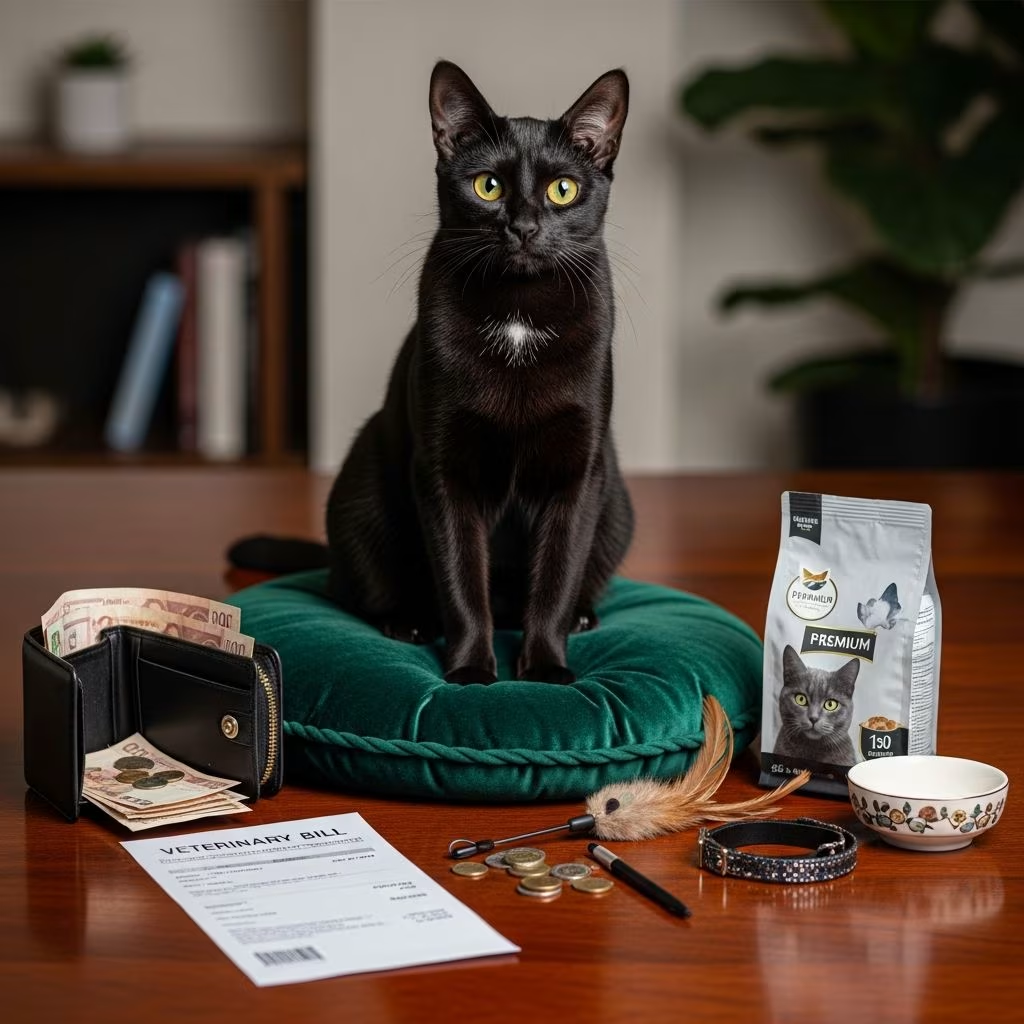
The Bombay cat, often celebrated for its sleek black coat and panther-like allure, represents a unique blend of elegance and playfulness. Developed in the mid-20th century through careful breeding of American Shorthairs and Burmese cats, this breed captivates owners with its affectionate nature and dog-like sociability. Understanding the financial commitment involved in owning one is crucial for prospective guardians. This guide delves into every aspect of Bombay cat costs, helping you plan a lifetime of joy without financial surprises.
Understanding the Bombay Breed’s Origins and Appeal
Bred initially in 1953 by Nikki Horner in Louisville, Kentucky, the Bombay was envisioned as a miniature black panther. By crossing sable Burmese cats with black American Shorthairs, Horner achieved a cat with a glossy, all-black coat, muscular build, and striking copper-gold eyes. The breed gained official recognition from the Cat Fanciers’ Association in 1970 and The International Cat Association in 1979, solidifying its status.
Bombays stand out with their medium-sized, athletic frames, rounded heads, and short, shiny fur that requires minimal upkeep. Their personality shines through as inquisitive, trainable, and deeply bonded to humans, often thriving in multi-pet households and with children. These traits make Bombays a premium choice, influencing their market value and ongoing care expenses.
Initial Acquisition Costs: Bringing Home Your Bombay
Acquiring a Bombay kitten marks the largest upfront expense. Reputable breeders charge between $500 and $1,500 for a pedigreed kitten, depending on lineage, show quality, and regional demand. Show-quality kittens from champion lines can exceed $2,000, reflecting the breed’s rarity and breeding standards.
Adoption from shelters or rescues offers a more budget-friendly option at $50 to $200, though purebred Bombays are uncommon here. Health checks and initial vaccinations are often included, reducing early vet bills. Always verify pedigrees via organizations like TICA or CFA to ensure authenticity.
| Acquisition Method | Average Cost Range | Inclusions |
|---|---|---|
| Breeder (Pet Quality) | $500 – $1,000 | Pedigree papers, first shots, deworming |
| Breeder (Show Quality) | $1,200 – $2,500+ | Full health guarantee, registration |
| Shelter/Rescue | $50 – $200 | Spay/neuter, microchip, basic exams |
Factors like location play a role; urban areas with high demand see prices 20-30% higher. Transportation for out-of-state kittens adds $200-$500 in travel fees.
Essential Supplies for Daily Bombay Living
Outfitting your home for a Bombay requires targeted investments. A sturdy litter box setup costs $30-$100, with self-cleaning models up to $200 for low-maintenance appeal. Food and water bowls, preferably stainless steel to prevent allergies, run $20-$50.
Scratching posts and cat trees are vital for this active breed, totaling $100-$300. Toys that match their playful, intelligent nature—interactive lasers, puzzle feeders, and feather wands—add $50-$150 initially, with replacements yearly. Bedding, including burrowing blankets for their love of cozy spots, costs $40-$80.
- Litter box and litter: $40-$120/year (clumping litter preferred)
- Carrier for vet trips: $30-$70
- Grooming tools (brush, nail clippers): $20-$50
- Collars/ID tags: $15-$30
Total starter kit: $300-$800, scalable based on quality and quantity.
Feeding Your Bombay: Nutrition Breakdown
Bombays, with their muscular builds, need high-protein diets mimicking their panther heritage. Premium dry kibble suited for active shorthairs costs $40-$80 per 15-pound bag, lasting 3-4 months for one cat. Wet food supplements, ideal for hydration, add $30-$60 monthly.
Annual feeding expenses average $400-$700, varying by age and health. Kittens require growth formulas at $50-$100/month initially, transitioning to adult maintenance food. Seniors may need prescription diets for joint health, pushing costs to $800+ yearly. Treats and dental chews contribute $100 annually.
Portion control prevents obesity in this stocky breed; consult vets for tailored caloric needs around 250-300 daily.
Veterinary Care: Health Investments for Longevity
Bombays enjoy robust health from hybrid vigor, living 12-16 years, but proactive care is key. Initial exams and vaccines (rabies, FVRCP) cost $100-$250. Annual wellness visits run $50-$150, including bloodwork.
Spaying/neutering: $200-$500. Dental cleanings, common due to short muzzles, average $300-$800 every 1-3 years. Emergencies like foreign body ingestion from playful antics can hit $1,000-$5,000. Pet insurance offsets this at $20-$50/month, covering 70-90% of bills.
| Vet Service | Frequency | Cost Range |
|---|---|---|
| Annual Checkup + Vaccines | Yearly | $100-$300 |
| Spay/Neuter | Once | $200-$500 |
| Dental Cleaning | Every 1-3 years | $300-$1,000 |
| Flea/Tick/Heartworm Preventives | Monthly | $100-$250/year |
Lifetime vet costs: $5,000-$15,000 without insurance.
Grooming and Maintenance Routines
The Bombay’s short, glossy coat sheds minimally, needing weekly brushing ($10 tool) to distribute oils. Bathing is rare, but nail trims every 2-4 weeks cost $10-$20 at home or $50 professionally quarterly.
Ear cleaning and dental care kits: $20-$40/year. Professional grooming sessions, optional for shine, add $50-$100 biannually. Total annual grooming: $100-$300.
Ongoing and Hidden Expenses Over Time
Beyond basics, factor in litter ($150-$300/year), licensing ($10-$50/year), and boarding ($25-$50/night during travel). Training classes for their dog-like aptitude: $100-$200/course.
Multi-pet homes see economies, as Bombays share resources well. Inflation and regional variances (e.g., higher coastal costs) impact budgets by 10-20%.
Budgeting Strategies for Bombay Ownership
Project first-year costs at $1,500-$4,000, dropping to $800-$2,000 annually thereafter. Use apps for tracking; allocate 10% of budget for surprises. Insurance and bulk buying save 20-30%.
- Low-Budget Approach: Adopt, generic food, DIY grooming ($800-$1,500/year)
- Premium Approach: Breeder kitten, insurance, specialties ($2,500+/year)
Common Health Considerations Affecting Costs
Prone to hypertrophic cardiomyopathy (heart condition), dental issues, and obesity, Bombays benefit from early screening ($200-$500 echo). Burmese lineage risks amyloidosis, managed via diet ($100/year extra). Regular monitoring keeps expenses predictable.
Is a Bombay Cat Worth the Investment?
For their companionship, low-shedding ease, and adaptability, yes—for prepared owners. Their affectionate, clownish demeanor enriches homes immeasurably.
Frequently Asked Questions
How much does a Bombay cat cost upfront?
Expect $500-$2,000 from breeders, less from rescues.
Are Bombay cats high-maintenance financially?
Moderate; food and vet dominate, but low grooming offsets.
Do Bombays need special food?
High-protein for muscle maintenance, no extremes.
What’s the average lifespan and related costs?
12-16 years; budget $1,000-$1,500/year post-first.
Can Bombays live with other pets?
Yes, their sociable nature suits families.
References
- Cat Breed Spotlight: Bombay — Dr. Bill’s Pet Nutrition. Accessed 2026. https://drbillspetnutrition.com/cat-breed-spotlight-bombay/
- About the Bombay – History — Bombay Cat Club Europe. Accessed 2026. https://www.bombaycat.eu/history/
- Bombay cat — Wikipedia. Accessed 2026. https://en.wikipedia.org/wiki/Bombay_cat
- Bombay Breed — The International Cat Association (TICA). Accessed 2026. https://tica.org/breed/bombay/
- The Bombay Cat: Breed History, Fun Facts and Myths — PrettyLitter. Accessed 2026. https://www.prettylitter.com/blog/the-bombay-cat-breed-history-fun-facts-and-myths



