

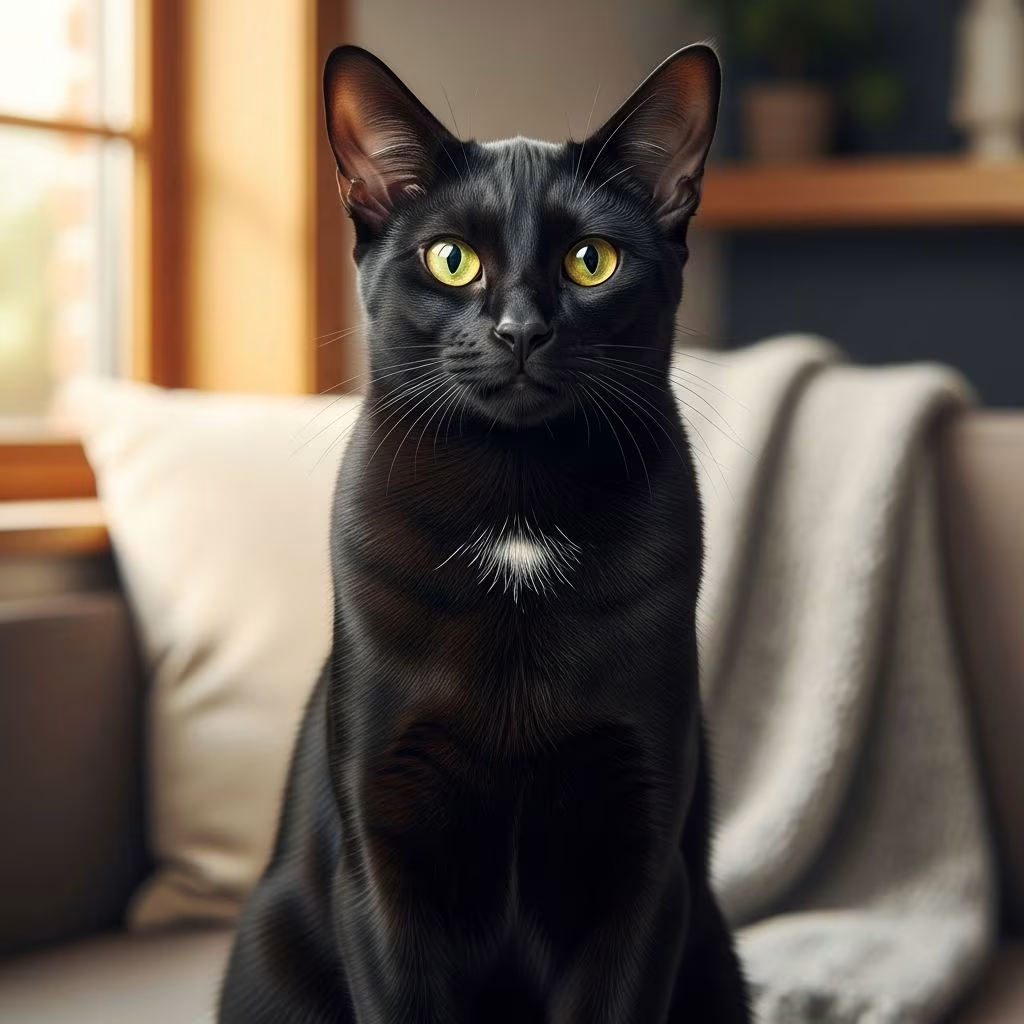
Bombay Cat Breed: A Complete Guide to the Miniature Black Panther
The Bombay cat is one of the most striking and distinctive domestic cat breeds, renowned for its sleek, jet-black coat and mesmerizing copper-colored eyes. Often described as a miniature panther brought into the home, the Bombay represents a fascinating blend of elegance, intelligence, and affection. These remarkable felines combine the physical characteristics of wild predators with the warm, loving temperament that makes them ideal family companions. Whether you’re considering adding a Bombay to your household or simply wish to learn more about this captivating breed, this comprehensive guide will provide you with all the essential information you need.
History and Origins of the Bombay Cat
The Bombay cat breed was created through careful selective breeding, combining the best traits of two parent breeds: the American Burmese and the American Shorthair. The breed was developed to produce a cat with the muscular, medium-sized body and inquisitive personality of the Burmese, but with a striking, sleek black coat reminiscent of the Indian black leopard. The breed takes its name from the Indian city of Bombay, now known as Mumbai, which is the natural habitat of the Indian black leopard that inspired the breed’s appearance. First recognized as a distinct breed in the 1950s, Bombays have since become prized show cats and beloved family pets worldwide. The breed exists in two main variants: the American Bombay and the British Bombay, with slight differences in their genetic backgrounds and breeding standards.
Physical Characteristics and Appearance
Overall Build and Size
The Bombay is a medium-sized cat with a muscular, well-balanced physique that belies its modest weight. These cats typically weigh between 5.5 to 11 pounds, with males generally being heavier than females. Their compact, sturdy build gives them surprising weight for their size, making them solid and substantial when held. The breed is often described as having a round appearance throughout—the head is rounded, the ear tips are rounded, the eyes are round, the chin is rounded, and even the feet appear round. This rounded aesthetic contributes to the breed’s distinctive and appealing silhouette.
Coat and Color
The Bombay’s most defining feature is its luxurious, glossy black coat. The fur is short, dense, and extremely shiny, lying close to the body with a distinctive patent leather-like sheen that gleams under light. The coat is uniformly black from the roots to the tips, with no paling or color variation—this is a strict breed standard requirement. Interestingly, kittens may show some color variation or a slightly less lustrous coat, but as they mature, their coats darken and develop the characteristic sleek appearance that gives adult Bombays their striking appearance. The breed standard accepts no other coat colors, and even the whiskers, nose leather, and paw pads must be completely black to meet breed standards.
Eyes and Facial Features
Perhaps the most hypnotic and distinctive feature of the Bombay is its large, round, copper-colored eyes set far apart on the face. The eye color ranges from bright orange to warm golden copper, with judges preferring greater depth and brilliance of color. The eyes are set wide apart, contributing to the breed’s characteristic alert and intelligent expression. The head is rounded with no sharp angles, and features a short muzzle with a moderate, visible nose “stop” (not a break) that gives the face a distinctive profile. The medium-sized ears are wide-set, straight, and rounded at the tips, contributing to the overall harmonious proportions of the head.
Temperament and Personality Traits
Social and Affectionate Nature
Bombay cats are renowned for their highly social and affectionate personalities, making them exceptional family companions. These cats are characterized by their strong attachment to their human families and their craving for attention and interaction. Unlike some cat breeds that maintain independence, Bombays are known to follow their owners around the house like devoted shadows, eager to be involved in whatever their family members are doing. They will often jump onto a person’s lap and spread their beautiful body across newspapers or other items their owners are attending to, effectively demanding acknowledgment and affection. This breed is sometimes humorously described as part cat, part dog, and part clown, reflecting their dog-like loyalty combined with feline grace and playful antics.
Playfulness and Activity Level
Younger Bombays are particularly active, curious, and playful cats that adapt readily to change and new situations. These cats are known for their intense love of toys and will happily appropriate grocery bags, cardboard boxes, or other household items as playthings, amusing themselves for hours with minimal expense to their owners. They enjoy games and interactive play and benefit from regular daily play sessions with their human family members. Bombays are excellent climbers and jumpers, so they should have access to cat trees and perches throughout the home. While adult Bombays tend to become somewhat more laid-back and less hyperactive than their younger counterparts, they maintain their playful spirit and enthusiasm for interactive activities throughout their lives.
Companionship and Social Requirements
These cats thrive on companionship and do not do well when left alone for extended periods. They are highly people-oriented and may experience separation anxiety or behavioral issues if their social needs are not met. Bombays are typically not suitable for households where they will be left alone all day without enrichment or company. They prefer having human interaction and involvement in family activities. These cats are generally good with children and, when properly introduced, will bond quickly with other pets, including dogs. Their extroverted nature and desire for attention make them perfect centerpieces for households that enjoy entertaining, as they tend to believe that every visitor has come specifically to see them.
Health and Medical Considerations
Overall Health Status
Bombay cats are generally considered quite healthy due to their hybrid ancestry, which provides genetic diversity and reduces the likelihood of breed-specific genetic disorders. The intentional crossbreeding of American Burmese and American Shorthair cats has resulted in a relatively robust breed without many of the severe health issues that plague some other cat breeds. However, responsible ownership includes regular veterinary care, appropriate nutrition, and awareness of potential health concerns that may affect individual cats.
Specific Health Concerns
One of the more common issues seen in Bombay cats is overly teary eyes that require regular wiping and cleaning. This condition, while not serious, does necessitate daily eye care and attention to prevent discomfort or infection. Additionally, hypertrophic cardiomyopathy (HCM), the most common heart problem found in cats, has been documented in some Bombay individuals. Responsible breeders conduct genetic testing and screening of their breeding cats prior to reproduction to reduce the chances of passing on heritable conditions to kittens. When selecting a Bombay kitten, it is advisable to purchase from breeders who provide health clearances and genetic testing results for their parent cats.
Care and Maintenance Requirements
Grooming Needs
Bombay cats require regular grooming to maintain their distinctive glossy coat and overall appearance. Weekly grooming sessions are recommended to keep the coat healthy, shiny, and free from mats or tangles. Regular brushing also helps reduce shedding and keeps loose hair from accumulating on furniture and clothing. Eye care is important, particularly given the breed’s tendency toward excessive tearing; daily gentle wiping of the eyes with a soft, damp cloth helps prevent irritation and keeps the striking eyes clear and bright.
Nutrition and Weight Management
Proper nutrition is essential for maintaining a Bombay cat’s health and preventing obesity, a condition that can affect this sturdy breed if activity levels are insufficient or dietary intake is excessive. The stocky, muscular build of Bombays means they can gain weight relatively quickly if their caloric intake exceeds their energy expenditure. High-quality cat food appropriate for their age and activity level should be provided, with portion sizes carefully monitored. Regular exercise and interactive play sessions help maintain healthy weight and muscle tone. Owners should work with their veterinarians to establish appropriate feeding schedules and portion sizes based on their individual cat’s age, metabolism, and activity level.
Environmental Enrichment
Because Bombays are active, intelligent, and enjoy climbing and jumping, providing appropriate environmental enrichment is crucial. Multiple cat trees, perches, and climbing structures allow them to exercise their natural climbing instincts and maintain their physical fitness. Interactive toys, puzzle feeders, and toys that encourage play help keep their active minds engaged and prevent boredom-related behavioral problems. Window perches where they can observe the outside world are particularly appreciated, as Bombays enjoy looking at and observing the world around them.
Living Environment and Housing
Bombay cats are well-suited to apartment living and can comfortably live in smaller spaces, including single-room apartments, provided that all their physical and emotional needs are met. These cats are happy and comfortable being indoor cats and do not require outdoor access. However, they do prefer relatively quiet surroundings and may become stressed in particularly chaotic or noisy environments. The calm, centered presence of a Bombay cat makes them suitable for relaxed households where family members can dedicate time to interaction and companionship. Their adaptability to various living situations makes them excellent choices for both first-time cat owners and experienced feline enthusiasts.
Comparison Table: Bombay vs. Other Black Cat Breeds
| Characteristic | Bombay | Black American Shorthair | Black Burmese |
|---|---|---|---|
| Size | Medium (5.5-11 lbs) | Medium to Large (8-12 lbs) | Small to Medium (6-10 lbs) |
| Eye Color | Copper/Golden (Required) | Varies (typically green/gold) | Gold to Yellow |
| Coat Type | Short, Glossy, Patent Leather Sheen | Short, Dense, Matte Finish | Short, Satin-like |
| Temperament | Highly Affectionate, Social, Attention-Seeking | Independent, Adaptable, Moderate Affection | Affectionate, Playful, Less Social |
| Activity Level | Active to Moderate | Moderate | Very Active |
Frequently Asked Questions About Bombay Cats
Q: Are Bombay cats truly all-black, including their eyes?
A: Bombay cats are entirely black, including their coat, nose leather, paw pads, and whiskers. However, their eyes are distinctively copper or golden colored, not black. The striking contrast between their jet-black coat and luminous copper eyes is one of the breed’s most defining characteristics.
Q: Do Bombay cats require outdoor access?
A: No, Bombay cats are well-suited to indoor-only lifestyles and thrive as purely indoor cats. They do not require outdoor access and are happiest when kept indoors with appropriate enrichment, companionship, and environmental stimulation.
Q: Are Bombay cats good with children and other pets?
A: Yes, Bombay cats are generally excellent with children and make wonderful family pets. They are also typically good with other pets, including dogs, when properly introduced and socialized. Their affectionate and social nature makes them well-suited to multi-pet households.
Q: How much grooming do Bombay cats need?
A: Bombay cats require weekly grooming to maintain their distinctive glossy coat and overall appearance. Regular brushing helps keep their coat healthy and shiny while reducing shedding. Additionally, their eyes may require daily gentle wiping due to occasional excessive tearing.
Q: Can Bombay cats be left alone during the day?
A: Bombay cats are highly people-oriented and do not do well when left alone for extended periods. They thrive on human interaction and companionship. If they must be left alone, providing plenty of toys, enrichment, and stimulation is essential to prevent boredom and separation anxiety.
Q: What is the typical lifespan of a Bombay cat?
A: While specific lifespan information varies, Bombay cats are generally considered a healthy breed due to their hybrid ancestry. With proper care, appropriate nutrition, regular veterinary check-ups, and a healthy lifestyle, Bombays can live well into their teens, often reaching 15 years or more.
Q: Are Bombay cats suitable for first-time cat owners?
A: Yes, Bombay cats are excellent choices for first-time cat owners. Their adaptability, affectionate nature, intelligence, and manageable care requirements make them ideal for individuals and families new to cat ownership. Their desire for human interaction makes them responsive to training and socialization.
Q: Do Bombay cats have any specific health screening recommendations?
A: When selecting a Bombay kitten, it is advisable to verify that the breeder has conducted health screening, particularly for hypertrophic cardiomyopathy (HCM) in parent cats. Responsible breeders will provide documentation of genetic testing and health clearances to ensure the health and longevity of their kittens.
References
- Bombay Cat Breed Standard — The Cat Fanciers’ Association. 2024. https://cfa.org/breed/bombay/
- Bombay Cat Breed Information — Purina UK. 2024. https://www.purina.co.uk/find-a-pet/cat-breeds/bombay
- Hypertrophic Cardiomyopathy in Cats — International Cat Care. 2023. https://icatcare.org/
- Bombay Cat Breed Profile — Hill’s Pet Nutrition. 2024. https://www.hillspet.com/cat-care/cat-breeds/bombay
- Guide to Black Cat Breeds — VCA Animal Hospitals. 2024. https://vcahospitals.com/know-your-pet/cat-breeds/bombay



