

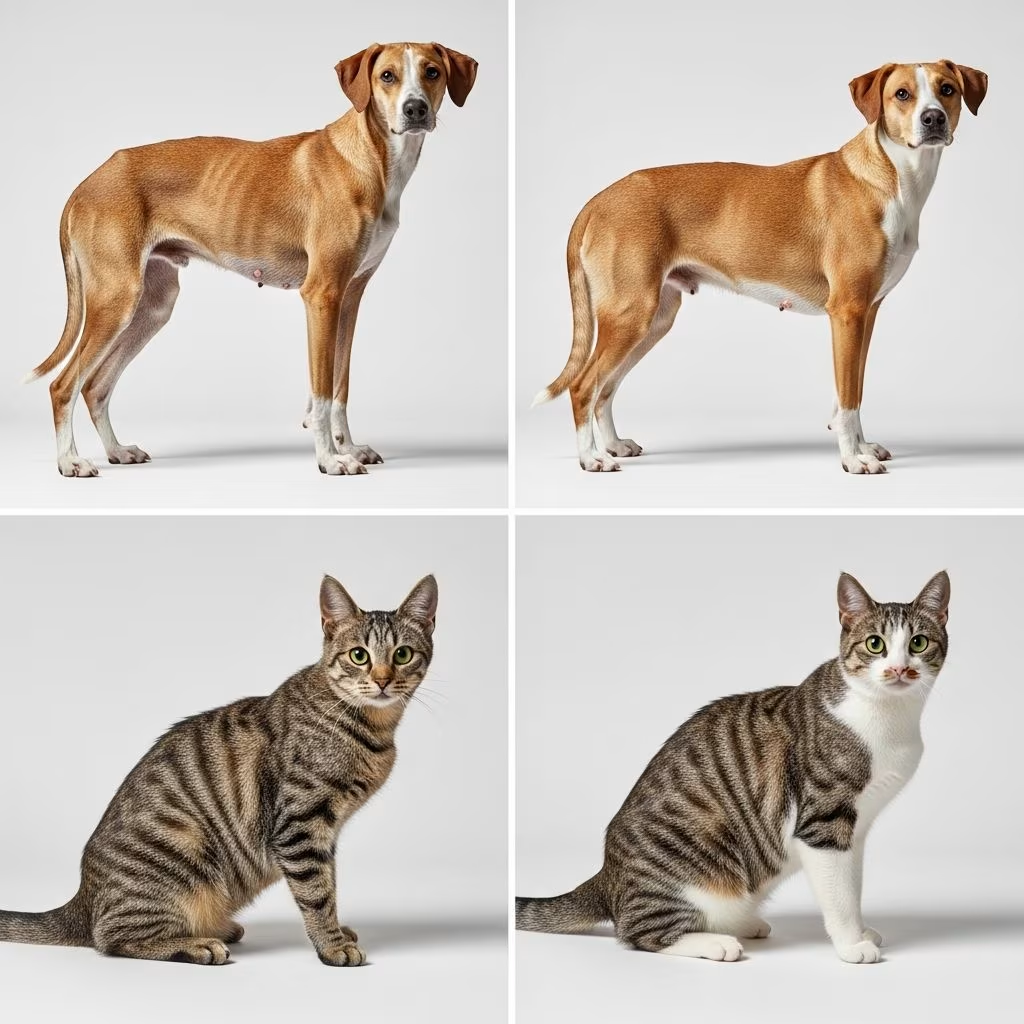
Understanding Body Condition Scores for Your Pet
Pet obesity has become a significant health concern affecting millions of animals worldwide. One of the most effective tools veterinarians and pet owners can use to monitor their pet’s weight and overall health is the body condition score (BCS). Unlike relying solely on a scale reading, body condition scoring provides a comprehensive assessment of your pet’s body composition by evaluating the ratio of fat to muscle and bone structure.
The Body Condition Score is a standardized method used to assess whether your pet is too thin, overweight, or at an ideal weight. This evaluation is performed by examining your pet’s body shape visually and by palpating (feeling) fat over specific anatomical locations. This approach is superior to weight alone because it accounts for individual variations in body frame size and structure across different breeds and ages.
What is a Body Condition Score?
A body condition score measures your pet’s body fat percentage compared to the muscles and bones that form their skeletal structure. This assessment tool helps pet owners understand their animal’s overall health and make informed decisions about nutrition and exercise. The BCS system is particularly valuable because it can be applied consistently across all species, breeds, sexes, and ages without relying on factors like weight or body size.
The BCS system does not depend on height, weight, or sex measurements, making it a universally applicable tool for pet health assessment. Whether you have a small Chihuahua or a large Great Dane, the same scoring methodology applies equally.
BCS Scoring Scales Explained
Two primary body condition scoring scales are recognized and used by veterinary professionals worldwide. Understanding which scale your veterinarian uses is crucial for accurate communication about your pet’s weight status.
The 5-Point Scale
The 5-point scale ranges from 1 to 5, where a score of 3 represents an ideal body condition. This scale is simpler but offers less nuance in distinguishing between subtle variations in body condition. Many veterinary practices prefer this scale for its simplicity and ease of application during routine health examinations.
The 9-Point Scale
The 9-point scale, which ranges from 1 to 9, provides more detailed distinctions in body condition. On this scale, scores of 4 to 5 are considered ideal. The 9-point scale allows veterinarians and pet owners to identify more subtle changes in body composition, making it particularly useful for monitoring weight loss or gain over time.
Important Note: It is critical to specify which scale you are using when discussing your pet’s body condition score, as the numbers differ significantly between the two systems. For example, a cat with a BCS of 3/5 would be at ideal weight on the 5-point scale but would be considered thin on the 9-point scale (3/9).
How to Assign a Body Condition Score
Properly assigning a body condition score requires both visual observation and physical examination of your pet. This two-pronged approach ensures accuracy and provides a comprehensive assessment of your animal’s body composition.
Step 1: Visual Assessment
Begin by observing your pet from multiple angles:
View From Above
Look down at your pet from directly above. An ideal body condition should display a visible waistline that curves inward behind the rib cage, similar to an hourglass shape. Overweight pets lack this waistline and appear cylindrical when viewed from above. Underweight pets may have an exaggerated waist that appears too pronounced.
View From the Side
Position yourself at your pet’s level and observe their profile. In healthy-weight pets, the abdomen should slant upward between the rib cage and hind legs, creating what’s often called a “tummy tuck.” Obese pets typically display a sagging belly that hangs downward, while very thin pets have an extremely tucked abdomen with minimal abdominal padding.
Step 2: Physical Palpation
After visual inspection, gently feel your pet’s body, particularly over the rib cage and along the spine and pelvis. The way you can feel these bones tells you important information about body condition.
In an ideal body condition score, the ribs should be easily felt with minimal pressure when you run your fingers along the rib cage, but they should not be visibly protruding. There should be a thin layer of fat covering the ribs. Your pet’s backbone and pelvic bones should also be readily palpable without excessive pressure.
In underweight pets, the ribs, backbone, and pelvic bones are not just palpable but are visibly prominent and may protrude from the body. There is minimal to no fat layer protecting these bones. In obese pets, the ribs are difficult or impossible to feel without significant finger pressure due to thick fat layering. The backbone and pelvis are similarly difficult to locate through the fat deposits.
Body Condition Score Categories and Descriptions
Understanding each score on both scales helps you accurately assess your pet’s condition and communicate effectively with your veterinarian about your pet’s health status.
Underweight Category
Score 1/5 or 1/9 – Emaciated
Ribs, backbone, and pelvic bones prominently stick out and are easily visible. Obvious muscle loss is evident throughout the body. A dramatic waistline and severe abdominal tuck are visible. No palpable fat is present on the body.
Score 1.5/5 or 2/9 – Very Thin
Ribs, backbone, and pelvic bones are visible but show only minor muscle loss. A severe waistline and pronounced tummy tuck are visible. Some fat may be barely palpable.
Score 2/5 or 3/9 – Thin
Ribs, pelvis, and backbone are easily felt and somewhat visible. A severe waistline and tummy tuck remain visible. Muscle mass is reduced but not as dramatically as lower scores.
Score 2.5/5 or 4/9 – Slightly Thin
Ribs, pelvis, and backbone are easily felt but not as visible. An obvious waistline and tummy tuck are present without being severe.
Ideal Weight Category
Score 3/5 or 5/9 – Ideal
This is the target body condition for most pets. Ribs, pelvis, and backbone can be felt with a thin layer of fat providing coverage. The waistline and tummy tuck are obvious but not severe, with more gradual body curves. Minimal abdominal fat deposits are present.
Score 3.5/5 or 6/9 – Ideal with Slight Excess
There is a slight fat layer over the ribs, backbone, and pelvis, making them slightly more difficult to feel but still readily palpable. A minimal tummy tuck is present, and the waistline is visible but not prominent. Fat deposits remain minimal.
Overweight Category
Score 4/5 or 7/9 – Overweight
Ribs are covered with a heavy fat layer requiring finger pressure to feel properly. The backbone and pelvis are difficult to locate through the fat covering. The waistline is not apparent, though a slight tummy tuck may still be visible. Moderate abdominal fat pads develop. In cats, a BCS of 4/5 or 7/9 correlates to approximately 30% body fat, which would be considered overweight in humans.
Score 4.5/5 or 8/9 – Obese
Ribs, pelvis, and backbone are covered with a thick fat layer and are palpable only with extreme pressure. No visible tummy tuck or waistline is present. Significant fat deposits accumulate throughout the body.
Severely Obese Category
Score 5/5 or 9/9 – Morbidly Obese
Ribs and backbone are not palpable under a very thick fat layer. The belly projects downward (the opposite of a tummy tuck) and outward with a protruding waistline. Excess fat padding is evident in the lumbar area, around the neck, over the upper limbs, and at the base of the tail. Extensive abdominal fat pads and sagging belly are present, often with obvious abdominal distention.
Why Body Condition Scoring Matters
Regular body condition scoring provides veterinarians and pet owners with objective data about a pet’s health status. This information allows for early intervention when pets begin trending toward overweight or underweight status. Obesity in pets is linked to numerous health complications, including diabetes, arthritis, heart disease, and reduced lifespan. Conversely, underweight pets may suffer from nutritional deficiencies and decreased immune function.
By monitoring body condition score regularly, you can catch gradual weight changes that might not be apparent on a scale alone. This allows for timely dietary adjustments or increased exercise before significant health problems develop.
Frequently Asked Questions About Body Condition Scoring
Q: How often should I assess my pet’s body condition score?
A: It is recommended to assess your pet’s body condition score at every veterinary visit. This typically occurs once or twice yearly for healthy adult pets, but may be more frequent for puppies, kittens, senior pets, or those with health concerns. Regular assessments help track trends and allow for early intervention if needed.
Q: Can I use BCS for all types of pets?
A: Yes, body condition scoring can be used for all species, breeds, sexes, and ages. The scoring system is flexible enough to apply to dogs, cats, rabbits, guinea pigs, and other companion animals. The methodology remains consistent across all animals.
Q: What if my pet is between two scores?
A: You can assign decimal scores to represent intermediate body conditions. For example, if your pet falls between a 3 and a 4 on the 5-point scale, you might record a score of 3.5/5. This allows for more precise tracking of body condition changes over time.
Q: How accurate is BCS compared to weighing my pet?
A: Body condition scoring is actually more accurate for assessing a pet’s actual body composition than weight alone. Weight can vary significantly based on breed, age, and individual frame size. BCS directly evaluates fat-to-muscle ratio, providing a more meaningful assessment of health status.
Q: What should I do if my pet’s BCS is not ideal?
A: If your pet’s BCS indicates overweight or underweight status, consult with your veterinarian. They can recommend appropriate dietary adjustments, exercise programs, and monitor progress during follow-up visits. Never drastically change your pet’s diet without veterinary guidance.
Q: How long does it take to see BCS improvements?
A: Changes in body condition typically require several weeks to become apparent. For overweight pets on a weight loss program, you may expect to see measurable progress within 4-6 weeks. For underweight pets receiving supplemental nutrition, similar timeframes apply. Regular reassessment during veterinary visits helps track progress accurately.
Working With Your Veterinarian
Your veterinary healthcare team plays an essential role in monitoring and managing your pet’s body condition. During each visit, ask your veterinarian to perform a body condition score assessment and explain their findings. Request that your pet’s BCS be recorded in their medical records for future reference and comparison.
If weight management is needed, work with your veterinarian to develop a comprehensive plan that includes appropriate diet modifications, portion control, and increased physical activity. Your veterinarian may recommend prescription diets specifically formulated for weight loss or management, depending on your pet’s individual needs and any underlying health conditions.
Regular assessments ensure that your pet is making steady progress toward their ideal body condition and that any adjustments to the management plan are made promptly if needed.
Maintaining Your Pet’s Ideal Body Condition
Once your pet reaches an ideal body condition score, maintaining that condition requires consistent effort. Feed appropriate portions of high-quality diet, limit treats to no more than 10% of daily caloric intake, and ensure your pet receives adequate daily exercise. These simple strategies help prevent weight gain and support long-term health and longevity.
References
- Body Condition Score in Cats — VCA Animal Hospitals. Accessed November 2025. https://vcahospitals.com/know-your-pet/body-condition-score-in-cats
- Body Condition Score – Dog — World Small Animal Veterinary Association (WSAVA). 2020. https://wsava.org/wp-content/uploads/2020/01/Body-Condition-Score-Dog.pdf
- Obesity in Dogs — VCA Animal Hospitals. Accessed November 2025. https://vcahospitals.com/know-your-pet/obesity-in-dogs
- Body Condition Scoring for Pets: Dog & Cat Weight Assessment — Association for Pet Obesity Prevention. Accessed November 2025. https://www.petobesityprevention.org/pet-weight-check



