

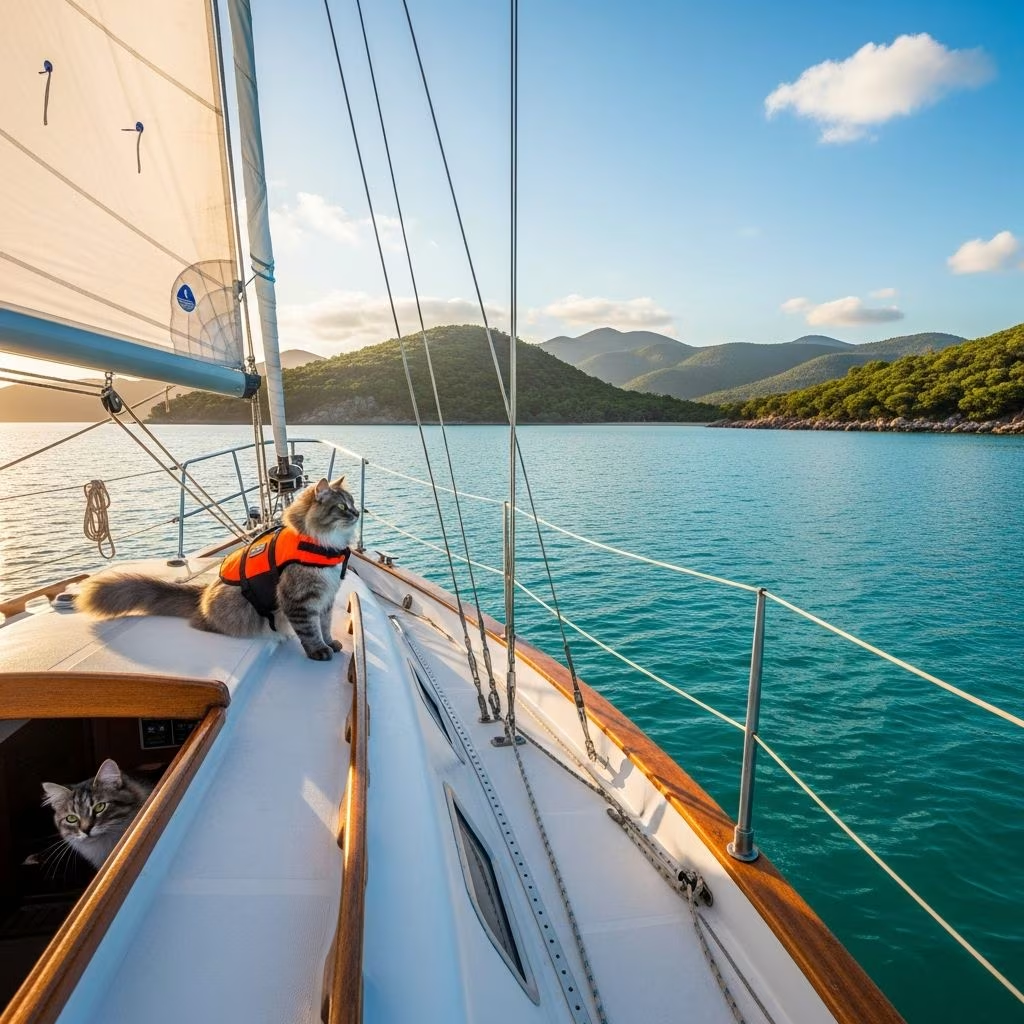
Cats have accompanied sailors for centuries, serving as mousers and good luck charms on ships. Today, boating with cats offers companionship and adventure, but it requires careful preparation to ensure safety and comfort. This guide covers everything from assessing your cat’s suitability to essential gear and training for smooth sailing.
Should You Boat with Your Cat?
Before heading out, evaluate if your cat is ready for boating. Not all cats enjoy or tolerate water travel well. Key considerations include swimming ability, trainability, and temperament.
- Can your cat swim? Accidents can happen, so test your cat’s swimming ability in shallow, controlled water. Many cats instinctively paddle but tire quickly.
- Is your cat trainable? Cats that respond to calls, wear harnesses comfortably, and adapt to new environments fare best.
- Temperament matters: Calm, curious cats adapt better than skittish ones. Start with short dock visits to gauge reactions.
Historical precedent supports feline boating—ships’ cats controlled pests effectively. Modern outings demand similar vigilance for safety.
Preparing Your Cat for Boating
Acclimation is crucial. Introduce your cat to the boat gradually while docked.
- Let them explore the cabin and deck on a leash.
- Observe reactions to boat sounds and movements.
- Practice short engine runs to test motion tolerance.
Test swimming in safe conditions with a life jacket. Reward positive behavior to build confidence. Patience prevents trauma—rushing can lead to lasting aversion.
Essential Gear for Boating with Cats
Invest in cat-specific equipment to prioritize safety.
| Gear | Purpose | Tips |
|---|---|---|
| Cat Life Jacket | Buoyancy and handle for retrieval | Fit snugly; test in water. Options at marine stores. |
| Harness and Tether | Prevents wandering off | 6-10 ft leash; attach to fixed points. |
| Litter Box | Secure elimination spot | Enclosed, non-slip base; scoop frequently. |
| Cat Bed/Carrier | Comfort zone | Familiar bedding reduces stress. |
| Net/Rope Ladder | Overboard recovery | Long-handled net; ladders for climbers. |
Additional items: cooling mats, fresh water, treats, and pet first-aid kit.
Safety Tips for Cats on Boats
Safety first—cats’ curiosity can lead to mishaps.
- Always tether: Use on deck, at anchor, or dockside.
- Secure the boat: Close hatches, ports, engine areas.
- Monitor location: Know where your cat is at all times, especially underway.
- Netting/Rails: Install to prevent slips through gaps.
- Weather watch: Avoid rough seas; secure loose items below deck.
Keeping Your Cat Comfortable
Cats overheat easily and may experience seasickness.
- Shade and cooling: Use bimini tops, cooling mats, or ice pack wraps.
- Seasickness prep: Short trips first; ginger treats or vet-approved meds.
- Hydration and food: Pack ample fresh water, wet food for appeal.
- Quiet retreat: Provide a shaded, enclosed spot for napping.
Cats seek cool, shady areas naturally—facilitate this for relaxation.
Training Your Cat for Boating Adventures
Basic training enhances safety and enjoyment.
- Harness habituation: Wear at home daily before boating.
- Recall command: Use clicker training for reliable response.
- Life jacket practice: Swim sessions build comfort.
- Boat routines: Associate boarding with treats.
Quick learners adapt faster; consistent positive reinforcement works wonders.
Health and Vet Considerations
Consult a vet before boating. Ensure vaccinations, flea prevention, and travel meds are current.
- Motion sickness: Symptoms include drooling, vomiting—medicate preemptively.
- Heat stress: Watch for panting, lethargy; cool immediately.
- Documentation: Pet passport for international waters.
Vet-reviewed advice emphasizes gradual exposure and monitoring.
Start with Short Trips
Begin with 30-minute outings, progressing as confidence builds.
- Dock time: Explore without motion.
- Calm waters: Gentle idling first.
- Build duration: Monitor stress signals like hiding or aggression.
Short voyages minimize risks while fostering positive associations.
Real Stories: Cats Loving the Boat Life
Many cats thrive as boat companions. Bailey Boat Cat masters ladders; others lounge under bimini tops. Owners report stronger bonds from shared adventures. Social media showcases glamorous yacht cats, proving it’s possible with prep.
Frequently Asked Questions (FAQs)
Can all cats go boating?
No, assess swimming ability, temperament, and trainability first. Start slow.
Do cats need life jackets?
Yes, always—choose fitted models with handles for safety.
How do I handle litter on a boat?
Use a secured, enclosed box with non-slip mat; clean often.
What if my cat falls overboard?
Use net or ladder; life jacket aids flotation. Practice retrieval.
Can cats get seasick?
Yes, start short and use preventive measures.
Is boating safe for kittens?
Wait until 6 months; full vaccinations required.
References
- 5 Tips for Boating with Cats — Discover Boating. 2023. https://www.discoverboating.com/resources/boating-with-cats
- 7 Tips for Boating With Cats — Boatsetter. 2023-09-18. https://www.boatsetter.com/boating-resources/tips-for-boating-with-cats
- A Guide to Boating with Cats — Adventure Cats. N/A. https://www.adventurecats.org/backcountry-basics/a-guide-to-boating-with-cats/



