Boat Training for Dogs
Master step-by-step techniques to help your dog enjoy safe, confident boating adventures on any vessel.
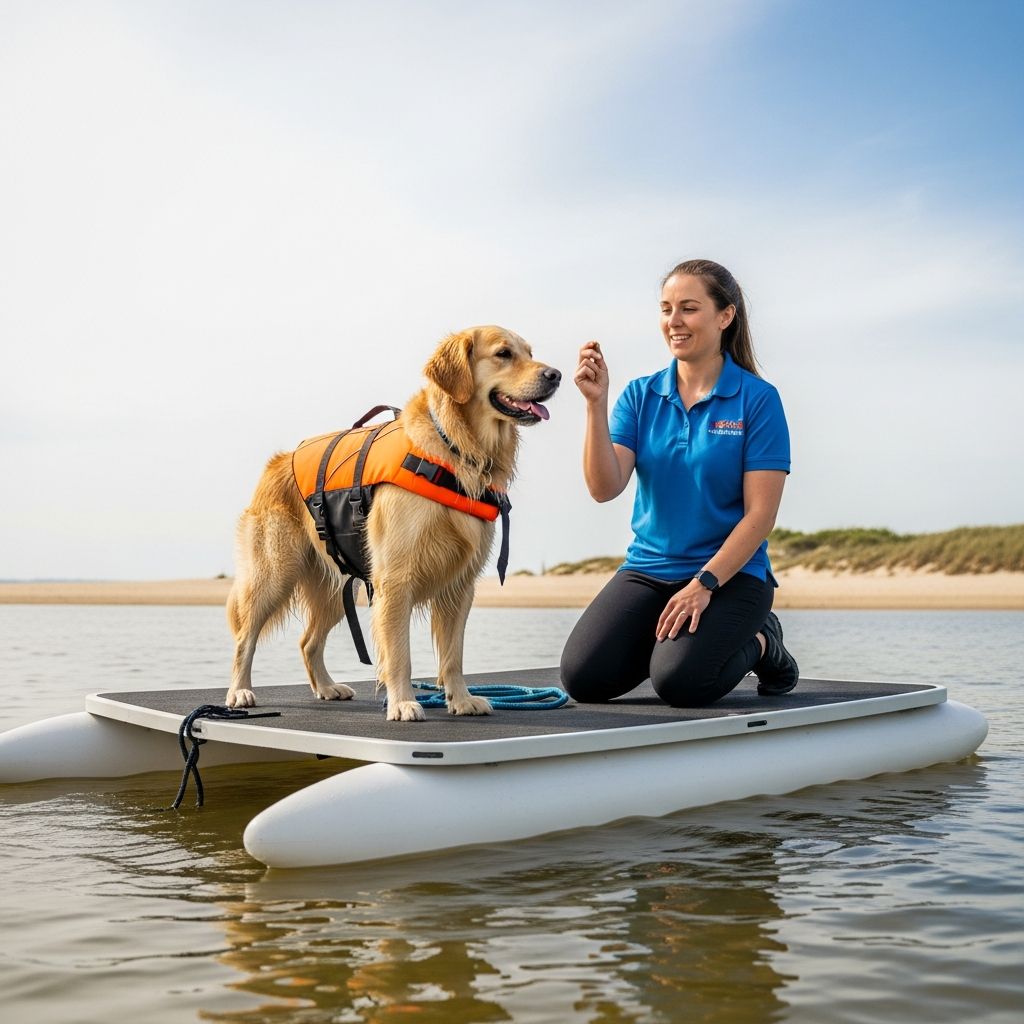
Preparing your dog for boating requires patience, positive reinforcement, and a focus on safety to build lasting confidence on the water. This comprehensive guide outlines a structured approach to turn hesitant pups into enthusiastic boat companions.
Understanding Your Dog’s Boating Readiness
Every dog responds differently to new environments like boats due to factors such as age, breed, and past experiences. Puppies might adapt quickly with gentle exposure, while older dogs or those with anxiety may need more time. Observing your dog’s body language—such as tail wagging for excitement or ears pinned back for fear—helps tailor the training process effectively.
Breeds like retrievers often take to water naturally, but any dog can learn with consistent effort. Start by assessing comfort levels on dry land to predict water reactions and avoid overwhelming them early on.
Initial Groundwork: Building Comfort on Land
Begin training far from water to associate the boat with positivity without added stressors like motion or waves. Position the boat on a stable, flat surface and encourage exploration at your dog’s pace.
- Secure the boat to prevent movement, allowing free sniffing and climbing without risk.
- Use high-value treats like small pieces of chicken or cheese to reward voluntary entry.
- Practice entering and exiting repeatedly, gradually increasing time spent inside to 10-15 minutes.
Incorporate play sessions inside the boat, such as tossing a favorite toy, to foster fun memories. For retrieving breeds, simulate drills by throwing bumpers from the boat while it’s stationary, reinforcing purposeful activity.
Progressing to Dockside Familiarization
Once land comfort is established, move to a docked or beached boat. This stage introduces gentle rocking and water proximity while maintaining control.
- Leash your dog to guide them aboard calmly, praising calm behavior lavishly.
- Run the engine briefly at low idle to desensitize to noise, pairing it with treats to counter potential fear.
- Rock the boat manually to mimic waves, rewarding steady posture.
Potty breaks are crucial here—always relieve your dog before sessions to minimize disruptions. Loading from a dock or shore reduces slip risks compared to water entries.
First Water Ventures: Short and Calm Trips
Transition to actual water only after dockside success. Opt for calm conditions, early mornings, or protected coves to avoid wind or traffic.
- Start with 5-10 minute outings, focusing on smooth idling rather than speed.
- Tire your dog with a pre-trip walk or fetch game to curb excess energy.
- Keep them leashed or crated initially to prevent impulsive jumps.
Monitor for signs of distress like panting or pacing, and return to shore if needed. End every trip positively with play or treats to solidify good associations.
Essential Safety Gear for Canine Boaters
Invest in proper equipment to protect your dog during outings. Prioritize items that fit your vessel type and dog’s size.
| Gear Item | Purpose | Key Features |
|---|---|---|
| Life Jacket | Buoyancy and visibility | Handle for lifting, reflective strips, adjustable straps |
| Dog Ramp | Easy boarding | Floating, non-slip surface, portable |
| Crate or Tether | Secure positioning | Weatherproof, padded, quick-release |
| Water Bowl & Potty Pads | Hydration and relief | Collapsible, spill-proof |
A well-fitted life jacket is non-negotiable, especially for small or inexperienced dogs. Ramps prevent joint strain during entries, particularly for larger breeds.
Creating a Secure Onboard Zone
Designate a stable area where your dog feels safe, reducing anxiety and accident risks.
- On open boats, use the floor near the captain’s seat with non-slip mats.
- In cabin vessels, opt for below-deck berths away from rails.
- For kayaks or canoes, position between legs or in the bow with barriers.
Block access to ledges or gear that could tempt jumping. Nets or harness tethers add layers of protection without restricting movement entirely.
Command Training for Boat Control
Teach specific cues to manage behavior reliably on the water.
- Load-up: Signal entry with a hand gesture and verbal cue, rewarding compliance.
- Wait: Instruct pausing at edges to prevent rushed leaps.
- Stay/Hang on: Encourage bracing during turns or wakes.
- Down: Direct settling in the safe zone amid distractions.
Practice these daily on land first, then integrate during short trips. Consistency across family members ensures quick mastery.
Anticipating and Preventing Common Hazards
Boating introduces unique risks; proactive measures keep trips enjoyable.
- Supervise to block access to lures, hooks, or anchors that trigger chasing instincts.
- Provide fresh water to deter lake drinking, which leads to slips.
- Use a spotter during loading to avoid prop injuries on beach launches.
- Watch weather—sudden waves can panic even trained dogs.
For high-drive dogs, pre-exhaustion via exercise minimizes chewing or pacing issues.
Advanced Training for Frequent Boaters
Once basics are solid, expand to varied conditions like choppy water or multi-boat traffic. Gradually introduce speed, longer durations (up to hours), and group outings. Incorporate swim breaks with ramps for confidence building. Track progress in a journal to note triggers and successes.
Troubleshooting Fearful or Resistant Dogs
If progress stalls, regress to prior comfortable stages. Consult a professional trainer for severe phobias. Counter-conditioning with pheromone collars or calming supplements can aid anxious pups. Never force participation—patience yields better results than pressure.
Health Checks Before Every Trip
Ensure your dog is fit for boating with routine vet exams focusing on ears (for infections), skin (for allergies), and joints (for ramps). Carry a pet first-aid kit with bandages, tweezers for hooks, and motion sickness meds if prone.
FAQs
Can puppies start boat training early?
Yes, from 8 weeks, but keep sessions ultra-short and gentle to match their developing balance.
What if my dog jumps overboard?
Use a life jacket with a handle for quick retrieval; always have a throwable device ready.
Is boat training breed-specific?
No, though water breeds adapt faster; all benefit from the same gradual methods.
How often should I train?
3-5 sessions weekly, 15-30 minutes each, building as confidence grows.
What about kayaks or canoes?
Emphasize low-center stability zones and paddler-dog weight balance for safety.
Long-Term Benefits of Boat-Ready Dogs
Trained dogs enjoy enhanced bonding, exercise, and adventures, improving overall well-being. Regular outings combat boredom and strengthen human-canine trust profoundly.
References
- How to Introduce Your Dog to Boats — MeatEater Hunting. 2023-06-15. https://www.themeateater.com/hunt/dog/how-to-introduce-your-dog-to-boats
- Top Tips For Safely Boating With Your Dog! — YouTube (Vet Tech Channel). 2022-07-20. https://www.youtube.com/watch?v=uXtUOhevaKQ
- How To Be a Boat Dog — Travel Tails. 2024-03-10. https://traveltails.net/home/how-to-be-a-boat-dog/
- Boating Safety for Pets — U.S. Coast Guard Auxiliary. 2025-01-12. https://www.cgaux.org/boating-safety-pets/
- Canine Behavior in Novel Environments — American Veterinary Medical Association. 2024-11-05. https://www.avma.org/resources-tools/pet-owners/petcare/canine-behavior-novel-environments
Similar Articles








Read full bio of medha deb