

Boarding Your Dog: A Complete Guide to Safe and Comfortable Care
Many dog owners worry about leaving their beloved pets behind when they travel or face unexpected situations. However, there are several reliable options available to ensure your dog receives proper care while you’re away. Understanding these choices and knowing how to prepare your dog for boarding can significantly reduce anxiety for both you and your pet. This comprehensive guide explores the different boarding alternatives, how to select the right facility, and what you can do to ensure your dog has a comfortable and happy experience.
Understanding Your Dog Boarding Options
When you need to leave your dog while you’re away, you have three primary options to consider, each with its own advantages and considerations.
Option 1: In-Home Dog Sitting
The first option is arranging for your dog to stay in your home with a trusted caregiver. This could be a friend, family member, or professional pet sitter who stays in your home while you’re away. This option offers several advantages, as your dog remains in their familiar environment with all their comfortable belongings, established routines, and favorite spaces. Your pet doesn’t experience the stress of traveling to a new location or being separated from home. In-home dog sitting is ideal for dogs with separation anxiety or those who are particularly attached to their home environment.
Option 2: Alternative Home Care
Your second option involves arranging for someone to care for your dog in their home, whether it’s a trusted friend, neighbor, or professional pet sitter. This arrangement works best when your dog is already familiar with the home and the people living there. However, this option does carry certain risks. Your dog might escape and become lost in an unfamiliar neighborhood, or they may not get along well with other pets in the household. It requires careful consideration of your dog’s temperament and the specific environment before making this choice.
Option 3: Professional Boarding Kennel
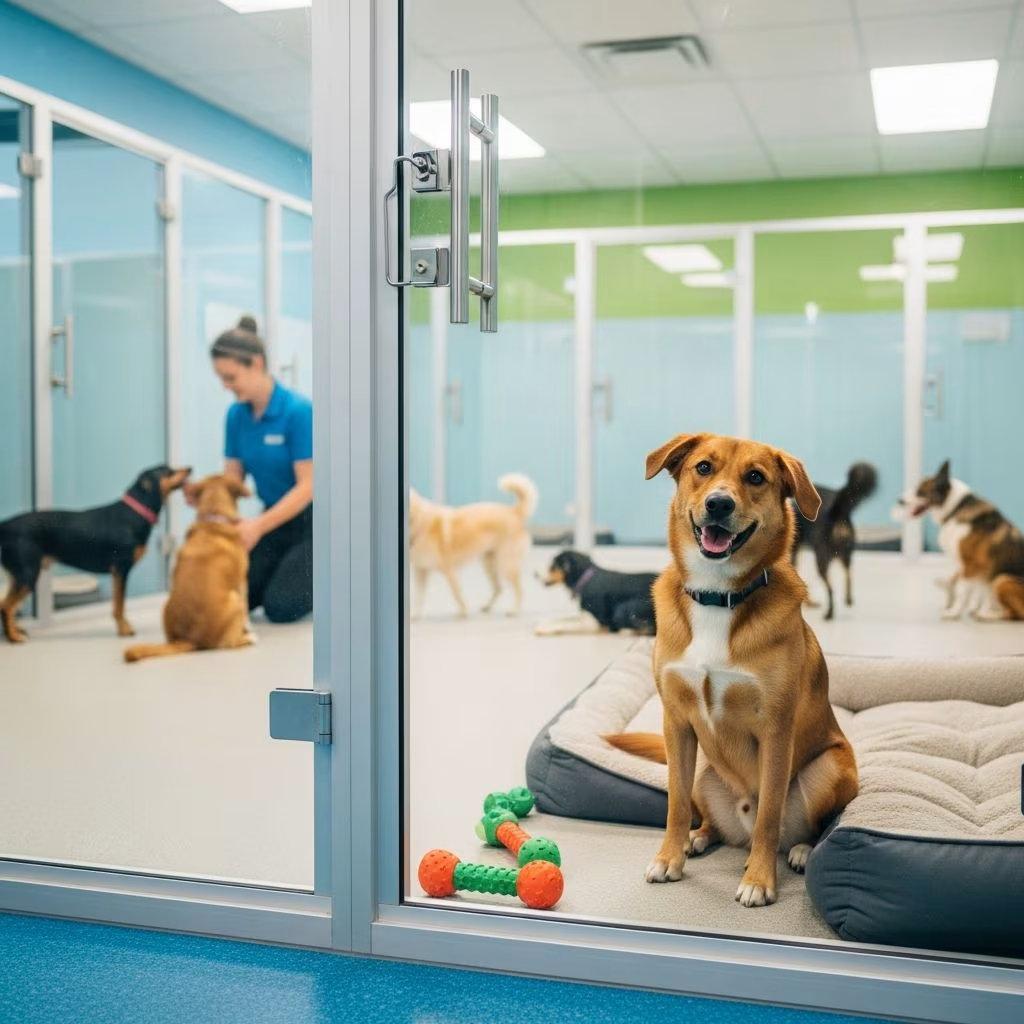
A boarding kennel represents the third option and is often considered the safest choice for many dog owners. Well-designed boarding facilities are specifically built to be safe, secure, and comfortable for dogs. Many boarding facilities are associated with veterinary hospitals and staffed with trained professionals who understand dog behavior and proper care protocols. These professionals know how to handle medical emergencies, manage different temperaments, and provide appropriate socialization opportunities.
Will Your Dog Be Happy in a Boarding Kennel?
A common concern among dog owners is whether their pet will be happy while boarding. The good news is that many dogs actually enjoy their time in kennels and even look forward to visiting. Dogs are adaptable animals, and with proper preparation and exposure to the boarding environment, most pets settle in quickly and comfortably.
The key to success is planning well in advance and visiting the kennel before your dog’s stay. This allows you to verify that the facility meets your expectations and gives your dog a chance to become familiar with the environment and staff. Many high-quality kennels offer the option for your dog to socialize with other dogs during their stay, which can provide mental stimulation and enjoyment for social dogs.
What to Look for in a Boarding Kennel
When evaluating a boarding facility, pay attention to the following important factors:
– Inspect both the indoor and outdoor facilities to assess their condition and suitability- Ask detailed questions about daily routines and activities- Ensure kennels are spacious, clean, and comfortable for your dog- If you have multiple dogs that get along well, ask whether appropriately sized kennels are available so they can be housed together- Verify that staff members are trained and experienced in dog care- Check that the facility maintains proper health and safety standards
Some kennels recommend a series of short boarding visits, each lasting just a few hours, to help your dog become accustomed to being away from you. These introductory visits are invaluable for gradually building your dog’s confidence and comfort with the boarding environment.
Assessing Your Dog’s Adjustment to Boarding
Despite owners’ concerns, most dogs adapt to boarding life quite quickly. The best way to determine if your dog will handle boarding well is to arrange a short trial stay, such as a weekend getaway or a few days, before committing to a longer absence. One or two brief stays at the kennel will help your pet adjust to being without you and allow them to become comfortable with the boarding facility and its staff.
Evaluating Your Dog After Boarding
When you pick up your dog, take time to evaluate their general condition, as this indicates the standard of care they received. Ask the kennel staff about your pet’s behavior and appetite during their stay. Many dogs unaccustomed to boarding may have a decreased appetite or drink less water during their initial visits, which is completely normal. Frequent, short visits to the kennel will help reduce your pet’s anxieties over time.
To help your dog feel more comfortable during boarding, bring familiar items such as their own bed or blanket and their favorite toys. These familiar objects provide comfort and security in an otherwise new environment.
Managing Boarding Stress
If your dog shows significant stress during boarding, don’t hesitate to consult with your veterinarian. Your vet may prescribe calming medication or other treatments to help your pet adjust to the boarding experience. Professional support can make a substantial difference for anxious dogs, allowing them to have a more pleasant and restful stay.
Finding the Right Boarding Kennel for Your Dog
Selecting a suitable boarding kennel is one of the most important decisions you’ll make for your dog’s care. Most kennels maintain a web presence through their own websites and social media accounts, and many advertise their services online. However, the most effective way to find a quality kennel is often through personal recommendations from friends, neighbors, or your veterinary clinic. These sources can provide valuable insights based on their own experiences and help you identify facilities with strong reputations.
Finding a Kennel While Traveling
If you’re traveling to an unfamiliar area and need to find a boarding facility, follow the same approach as above or contact local veterinary practices for assistance. Your home veterinary clinic can often provide you with telephone numbers and contact information for reputable boarding facilities in the area you’re visiting or moving to. Veterinarians frequently work with local kennels and can recommend facilities that meet professional standards of care.
Essential Health Requirements for Boarding
All pets that are boarded must be in good health and maintain current vaccinations and parasite prevention treatments. This requirement isn’t arbitrary; it protects your dog and all other animals at the facility from contagious diseases.
Required Vaccinations
Most boarding kennels universally require the following vaccinations:
– Rabies vaccine- Canine distemper (DA2PP) vaccine- Parvovirus vaccine- Bordetella (kennel cough) vaccine
Many facilities also require additional vaccinations such as canine influenza vaccine, depending on their specific policies and local disease prevalence. Booster vaccines typically need to be administered at least 3 days prior to boarding, while new vaccines should be given 7-10 days before your dog’s stay to allow time for immune response development.
Documentation and Health Considerations
Most boarding kennels require written proof of vaccination from a licensed veterinarian and applicable pet licenses prior to your dog’s boarding stay. It’s essential to discuss any special medical problems or dietary requirements with kennel staff before boarding. If your pet requires medication, ensure that the staff are willing and able to administer it on schedule. Leave written authorization for emergency veterinary care with the boarding kennel, along with contact information for your veterinarian and an emergency contact who can make decisions if you can’t be reached.
Boarding is intended for healthy pets only. If your dog is sick or showing signs of illness at the time of boarding, the facility will typically move your pet to their hospital for veterinary care, with additional fees applying.
Preparation Checklist
Before your boarding appointment, call the facility to confirm all requirements and avoid last-minute delays. Here’s what you should prepare:
– Current vaccination records with veterinarian letterhead- Valid pet license documentation- All medications in original containers with clear instructions- A supply of your dog’s regular food- Favorite toys and comfort items like bedding or blankets- Emergency contact information- Authorization for emergency veterinary care- Information about special dietary or medical needs
Frequently Asked Questions About Dog Boarding
Q: How far in advance should I book boarding for my dog?
A: It’s best to plan well in advance and visit the kennel beforehand to verify the facility meets your expectations. During peak travel seasons, popular kennels may book up quickly, so reserving several weeks ahead is recommended.
Q: What should I bring when I drop off my dog for boarding?
A: Bring your dog’s regular food, any required medications in original containers, vaccination records, emergency contact information, your veterinarian’s contact details, written authorization for emergency care, and your dog’s favorite toys and bedding for comfort.
Q: Can I board multiple dogs together?
A: If your dogs get along well, ask the kennel if they have appropriately sized kennels available for housing multiple dogs together. This arrangement can help reduce anxiety for dogs that are bonded.
Q: What if my dog doesn’t eat well during boarding?
A: A decreased appetite during the first few boarding visits is normal and should not be a cause for concern. Frequent, short visits to the kennel help reduce anxiety and typically normalize eating habits over time.
Q: How can I help my anxious dog adjust to boarding?
A: Start with short trial stays before longer absences, bring familiar comfort items, arrange gradual introduction visits to the facility, and consult your veterinarian about calming medications if your dog shows significant stress.
Q: What age can puppies start boarding?
A: Most boarding facilities require puppies to be at least 8 weeks of age before boarding, and they must be up-to-date on their vaccination schedule.
Q: How often should I visit the boarding facility beforehand?
A: Visit at least once before your dog’s stay to inspect facilities and ask questions. Some kennels recommend one or two short introductory visits to help your dog become comfortable with the environment and staff.
Creating a Positive Boarding Experience
Boarding your dog doesn’t have to be stressful when you take the time to prepare properly and choose a reputable facility. By understanding your options, meeting health requirements, and following preparation guidelines, you can ensure your dog receives excellent care while you’re away. Remember that most dogs adapt well to boarding, and with proper introduction and support, your dog can have a comfortable, safe, and even enjoyable stay at a quality boarding kennel.
References
- Boarding Your Dog — VCA Animal Hospitals. 2024. https://vcahospitals.com/know-your-pet/boarding-your-dog
- Boarding Policies & Vaccine Requirements — VCA Willow Creek Pet Resort. 2024. https://vcahospitals.com/willow-creek-resort/policies
- Boarding Policies & Vaccine Requirements — VCA Family Pet Resort. 2024. https://vcahospitals.com/wellington-resort/policies
- Boarding Policies & Vaccine Requirements — VCA Woodford Animal Hospital. 2024. https://vcahospitals.com/woodford-boarding/policies
- Questions to Ask a Boarding Facility Before Booking Your Pet’s Stay — VCA Animal Hospitals. 2024. https://vcahospitals.com/shop/home/articles/boarding-facility-faq
- Boarding Policies & Vaccine Requirements — VCA Mountainview Pet Lodge. 2024. https://vcahospitals.com/mountainview-co-lodge/policies
- Boarding Policies & Vaccine Requirements — VCA Creature Comforts. 2024. https://vcahospitals.com/creature-comforts/policies



