

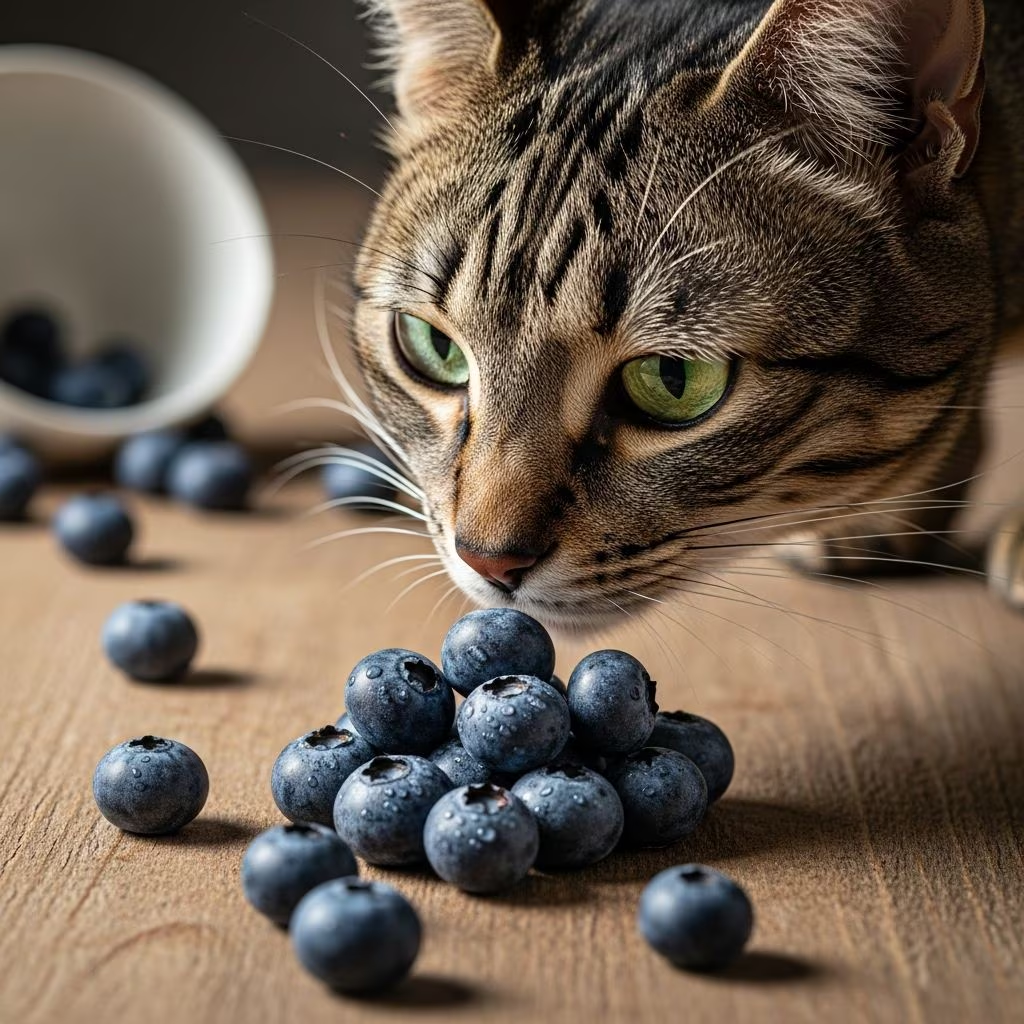
Cats can safely eat blueberries in small amounts as an occasional treat, providing antioxidants, fiber, and hydration without toxicity risks for most healthy felines.
Nutritional Profile of Blueberries and Feline Needs
Blueberries pack a nutrient-dense punch that can complement a cat’s primarily carnivorous diet when offered sparingly. As obligate carnivores, cats derive most nutrition from meat, but small fruit portions introduce variety without displacing essential proteins.
Key components include:
- Antioxidants: Anthocyanins and vitamin C combat oxidative stress, potentially supporting immune function and joint health.
- Fiber: Aids digestion, helping with hairball prevention and mild constipation relief.
- Vitamins and Minerals: Vitamin K for blood clotting, vitamin A for vision, plus potassium and manganese for overall wellness.
- High Water Content: About 85% water, contributing to hydration alongside fresh water sources.
These elements make blueberries low-calorie (ideal for weight management) and mentally stimulating through new textures.
Health Advantages for Your Cat
Incorporating tiny blueberry portions may enhance your cat’s well-being. Antioxidants neutralize free radicals, possibly bolstering immunity and reducing inflammation linked to aging or joint issues.
Fiber promotes regular bowel movements, beneficial for indoor cats prone to hairballs. The hydration boost suits picky drinkers, though it never replaces a water bowl.
| Nutrient | Benefit for Cats | Daily Limit Consideration |
|---|---|---|
| Antioxidants | Immune and joint support | 1-3 berries |
| Fiber | Digestion aid | Moderation to avoid excess |
| Water (85%) | Hydration | Supplemental only |
| Vitamins C/K | General health | Small amounts sufficient |
Low fat and calories position blueberries as a guilt-free option for overweight cats, comprising less than 10% of daily intake.
Potential Drawbacks and Risks
Despite benefits, blueberries aren’t ideal for every cat. Their sugar and carbs can spike blood glucose, risky for diabetic felines or those prone to obesity.
Excess consumption often triggers gastrointestinal issues:
- Diarrhea or vomiting from high fiber.
- Stomach upset in cats unaccustomed to fruits.
- Choking hazard if swallowed whole, especially for kittens or small breeds.
Cats lack sweet taste receptors, yet sugar impacts metabolism negatively in large doses. Avoid for sensitives or those with carbohydrate intolerance.
Preparation and Serving Guidelines
Opt for fresh or frozen organic blueberries to minimize pesticides. Wash thoroughly and serve plain—skip dried, canned, or sweetened versions with added sugars.
Safe practices:
- Portion Control: 1-3 small berries daily for adults; halve for kittens.
- Size Check: Choose smaller berries; cut larger ones to prevent choking.
- Introduction: Start with one berry, monitor for 24 hours.
- Frequency: 1-2 times weekly as treats.
Mash or freeze for fun textures, enhancing appeal without excess.
Blueberry-Infused Cat Products
Commercial treats with blueberry extract offer convenience and safety, though fresh berries provide fuller nutrition. Check labels for cat-safe formulations.
Avoid human foods like muffins or pies containing flour, butter, or toxic additives.
Fruits to Avoid for Cats
Not all fruits suit cats. Steer clear of:
- Citrus (oranges, lemons): Acidic, upsetting stomachs.
- Grapes/raisins: Kidney toxic.
- Cherries: Pits and stems hazardous.
- Avocados: Persin toxin.
Stick to vet-approved options like blueberries in moderation.
Special Considerations by Life Stage
Kittens
Yes, in tiny amounts post-weaning, but their sensitive digestion demands caution. Limit to half a berry, observe closely.
Senior Cats
Antioxidants aid aging joints; fiber eases constipation common in elders.
Health Conditions
Consult vets for diabetes, obesity, or GI sensitivities—blueberries may exacerbate issues.
Expert Insights on Feline Diets
Veterinarians like Dr. Bayazit affirm blueberries’ safety and benefits in limited quantities, emphasizing meat-based primary nutrition.
Balance treats within 10% of calories to avoid nutritional gaps.
Frequently Asked Questions
Can kittens eat blueberries?
Yes, sparingly—start small due to sensitive stomachs.
Are blueberry muffins safe for cats?
No, due to sugar, flour, and potential toxins.
How many blueberries per day?
2-3 for adults; less for kittens.
Can diabetic cats have blueberries?
Avoid—sugar affects blood glucose.
Are frozen blueberries okay?
Yes, fresh or frozen plain ones work.
Integrating Treats into a Balanced Diet
Prioritize complete cat foods meeting AAFCO standards. Use blueberries for enrichment, not staples, fostering bond through shared snacks.
Monitor weight, energy, and stool. Adjust based on response; discontinue if issues arise.
References
- Can Cats Eat Blueberries? — Chewy. 2023. https://www.chewy.com/education/cat/food-and-nutrition/can-cats-eat-blueberries
- Can Cats Eat Blueberries? A Nutritional Nugget or Potential Pitfall? — Loov Food. 2023. https://loovfood.com/blogs/the-loov-blog/can-cats-eat-blueberries-a-nutritional-nugget-or-potential-pitfall
- Can Cats Eat Blueberries? — PetMD. 2023. https://www.petmd.com/cat/nutrition/can-cats-eat-blueberries
- Can Cats Have Blueberries? Is It Safe? — Hill’s Pet. 2023. https://www.hillspet.com/cat-care/nutrition-feeding/can-cats-eat-blueberries
- Can Cats Eat Blueberries? — Food Forest Nursery. 2023. https://www.foodforestnursery.com/can-cats-eat-blueberries/



