

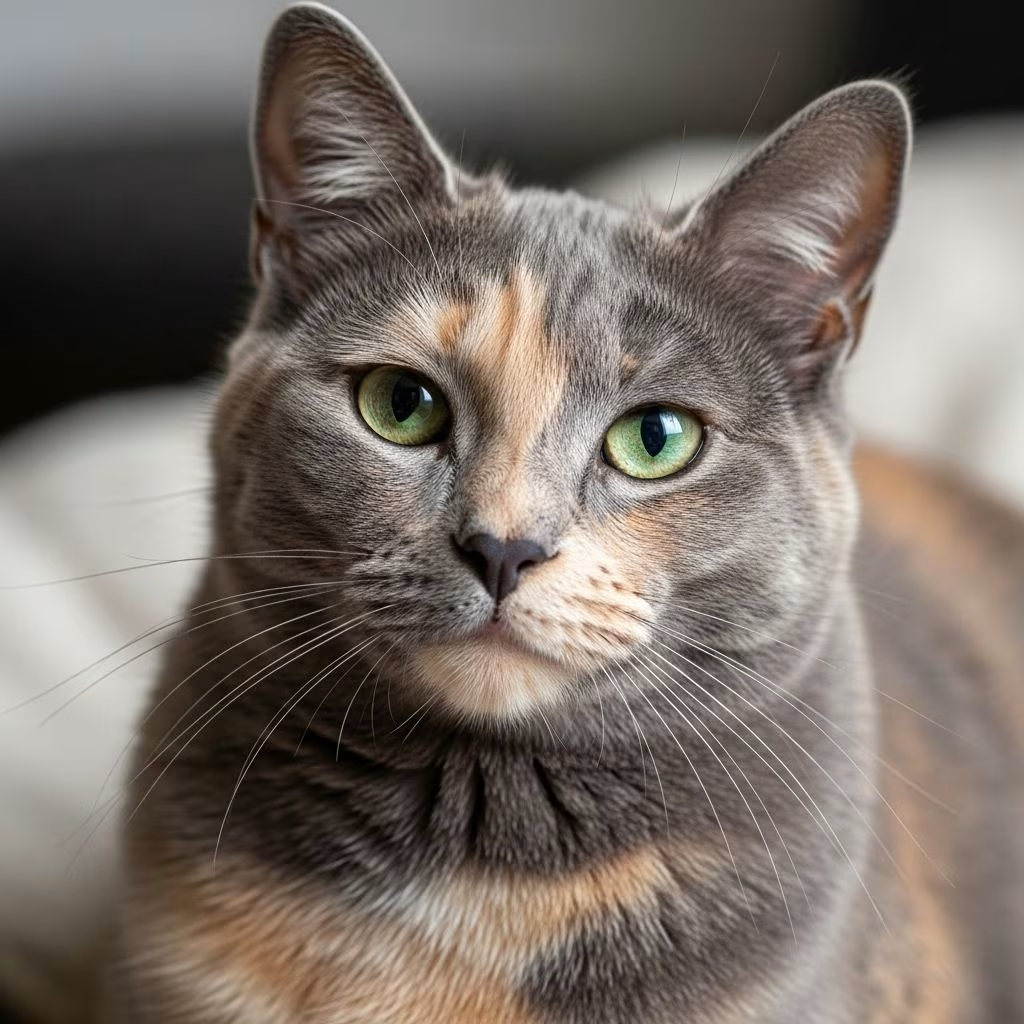
Blue tortoiseshell cats represent one of the most visually striking and behaviorally distinctive feline varieties in the domestic cat world. These remarkable animals combine an enchanting patchwork of muted blue-gray and cream-colored fur with spirited personalities that have earned them a special place in the hearts of cat enthusiasts worldwide. Unlike their standard tortoiseshell cousins that display vibrant black and orange hues, blue tortoiseshells showcase a softer, more pastel aesthetic that results from specific genetic modifications affecting coat pigmentation.
The allure of blue tortoiseshell cats extends far beyond their aesthetic appeal. Their unique genetic makeup influences not only their striking appearance but also contributes to personality characteristics that set them apart from other feline breeds. Understanding these cats requires exploring the intricate science behind their coloration, examining their behavioral tendencies, and learning how to provide appropriate care for these captivating companions.
The Genetic Foundation of Blue Tortoiseshell Coloring
The distinctive appearance of blue tortoiseshell cats results from the interaction of multiple genetic factors that work together to create their characteristic color palette. At the foundation of tortoiseshell coloring lies a combination of two co-dominant genes that express simultaneously and influence each other to produce the signature brindled pattern. These genes control the distribution of pigments across the cat’s coat, creating the patchwork effect that defines tortoiseshell cats.
The transformation from standard tortoiseshell to blue tortoiseshell occurs through the influence of a recessive dilution gene. This genetic modifier fundamentally alters how pigments are expressed in the fur, reducing the saturation and intensity of colors. Where a traditional tortoiseshell cat displays deep ebony patches, the dilution gene lightens these to soft gray or blue tones. Similarly, the vibrant orange or red sections become creamy, pale variations of their original hue. This dilution effect is what confers the distinctive “blue” appearance that gives these cats their name, even though the coloring is technically a muted gray rather than true blue.
The inheritance pattern of tortoiseshell coloring involves the X chromosome, which explains why the vast majority of tortoiseshell cats, including blue tortoiseshells, are female. Male tortoiseshell cats can exist but represent an extremely rare occurrence, typically resulting from unusual chromosomal configurations such as XXY karyotype or chimerism.
Physical Characteristics and Appearance
Blue tortoiseshell cats possess a distinctive visual profile that makes them instantly recognizable to cat aficionados. Their most prominent feature is undoubtedly their coat, which displays an intricate mosaic of blue-gray and cream-colored patches arranged in asymmetrical patterns. The size and distribution of these patches varies considerably among individual cats, with some displaying fine speckled patterns while others showcase larger, more defined color blocks.
Coat Structure and Coloring Details
The fur of blue tortoiseshell cats typically features a dense, soft texture that appeals to their human companions and contributes to their overall tactile charm. The coat quality results from genetic factors that influence not only color but also hair structure and thickness. This plush texture makes these cats particularly enjoyable to pet and interact with, enhancing the bond between cats and their owners.
One particularly delightful aspect of blue tortoiseshell cats involves the coloring of their extremities. Their paw pads and noses often display pink and various orange hues, creating adorable color accents that complement their overall appearance. These colorful features add an extra dimension of visual interest to an already captivating animal, sometimes serving as indicators of personality or ancestry.
Body Structure and Facial Features
Beyond their remarkable coat, blue tortoiseshell cats typically exhibit medium-sized, muscular bodies that suggest both strength and agility. Their facial structure tends toward delicate bone proportions, balanced by large, expressive eyes that may vary in coloration. The ears are typically pointed and positioned high on the head, contributing to an alert and elegant appearance that reflects their naturally inquisitive nature.
Personality Traits and Behavioral Characteristics
The personality profile of blue tortoiseshell cats extends their appeal beyond mere physical beauty. These felines are renowned for exhibiting what devotees affectionately term “tortitude”—a distinctive combination of spirited independence, playfulness, and occasional sass that defines their behavioral approach to life. Understanding these personality dimensions helps prospective owners prepare for the unique joys and challenges of sharing their homes with these remarkable animals.
Distinctive Temperament Elements
Blue tortoiseshell cats are predominantly characterized by several interconnected personality traits:
- Independent nature: These cats demonstrate a strong sense of autonomy and prefer to make their own decisions regarding activities and interactions.
- Spirited energy: Blue torties exhibit enthusiasm and playfulness that extends throughout their lives, keeping their owners entertained and engaged.
- Curious exploration: They possess an inherent drive to investigate their surroundings thoroughly, making them natural explorers within their home environments.
- Vocal communication: These cats are notably talkative, using their meows and other vocalizations to express their needs, desires, and opinions to their human companions.
- Sensitivity: Blue tortoiseshell cats often display heightened awareness of their environment and respond more intensely to stimuli around them.
Social Bonding and Loyalty
Despite their independent tendencies, blue tortoiseshell cats are capable of forming deep, meaningful bonds with their human companions. Once they determine that a person is worthy of their affection, these cats exhibit fierce loyalty and become devoted members of the household. Female blue tortoiseshells, in particular, often demonstrate strong maternal instincts and maternal behaviors, though this characteristic extends to their relationships with their adopted human families as well.
Mood and Behavioral Unpredictability
One fascinating aspect of blue tortoiseshell cat behavior involves the potential connection between coat patterns and personality expression. Some cat behaviorists propose that the distribution of colors in their coat may correlate with temperament tendencies. Cats with more cream-colored patches might display greater sociability and outgoing behavior, while those with predominant gray areas could exhibit more reserved, independent characteristics. While this remains an informal observation rather than scientifically proven fact, it adds an intriguing layer to understanding individual feline personalities.
Health Considerations and Genetic Factors
Prospective and current blue tortoiseshell cat owners naturally wonder whether their distinctive coloring carries any health implications or breed-specific vulnerabilities. The good news is that the genes responsible for blue tortoiseshell coloration do not directly cause health problems. These cats enjoy the same general health profile as other domestic felines when provided with appropriate care and nutrition.
However, like all cats, blue tortoiseshells benefit from regular veterinary check-ups to monitor their overall health, address any emerging concerns promptly, and maintain preventive care routines. Regular wellness examinations allow veterinarians to identify potential issues early, whether related to dental health, weight management, or organ function. Responsible cat ownership includes scheduling annual veterinary visits and addressing any behavioral or physical changes that might warrant professional evaluation.
Differences Between Blue Tortoiseshells and Related Coat Patterns
Understanding how blue tortoiseshells differ from related feline coat patterns helps clarify their unique position within feline coloration taxonomy.
| Coat Pattern Type | Primary Colors | Distinguishing Features | Gender Distribution |
|---|---|---|---|
| Standard Tortoiseshell | Black, orange, red | Vibrant, solid patches without white | Predominantly female |
| Blue Tortoiseshell | Gray-blue, cream | Muted, diluted patches without white | Predominantly female |
| Calico | Black, orange, white | Three-color pattern with significant white areas | Predominantly female |
| Tortie-Tabby (Torbie) | Multiple colors with tabby stripes | Tortoiseshell pattern with visible tabby markings | Predominantly female |
Care Requirements and Lifestyle Considerations
Providing optimal care for blue tortoiseshell cats involves addressing their physical, behavioral, and emotional needs in comprehensive ways. These energetic, intelligent animals require environmental enrichment that allows them to exercise their natural instincts and maintain both physical fitness and mental stimulation.
Environmental Enrichment
Blue tortoiseshells’ innate curiosity and playful nature mean they thrive in environments that offer varied stimulation. Providing climbing structures, interactive toys, scratching posts, and puzzle feeders helps satisfy their exploratory drive and maintains their engagement with their surroundings. Rotating toys periodically prevents boredom and sustains interest in their play environment.
Interactive Engagement
Despite their independent streak, blue tortoiseshells appreciate interactive play sessions with their human companions. Regular play using toys on strings, laser pointers, or balls engages their hunting instincts and strengthens the human-animal bond. These interactive sessions also provide essential exercise that contributes to maintaining healthy body weight and overall wellness.
Vocalization and Communication
Understanding and respecting their communicative nature helps owners develop stronger relationships with their blue tortoiseshell cats. Responding to their vocalizations, providing appropriate outlets for expression, and maintaining open communication channels create an environment where these naturally vocal cats feel heard and valued.
Frequently Asked Questions About Blue Tortoiseshell Cats
Are blue tortoiseshell cats always female?
The overwhelming majority of blue tortoiseshell cats are female due to the X chromosome-linked genetic factors that produce tortoiseshell coloring. Male tortoiseshells exist but occur rarely, typically through chromosomal anomalies rather than standard genetic inheritance patterns.
Do blue tortoiseshell cats have specific health problems related to their coloring?
No health issues are directly linked to blue tortoiseshell coloring itself. Like all cats, they require regular veterinary care and attention to standard feline health concerns, but their distinctive coat genetics do not predispose them to specific diseases or conditions.
Why are tortoiseshell cats known for being particularly vocal?
The increased vocalization observed in many tortoiseshell cats, including blue varieties, relates to their spirited personality characteristics. This trait, part of their distinctive “tortitude,” means they communicate their thoughts, feelings, and demands more frequently and emphatically than some other cats.
Can you predict a blue tortoiseshell cat’s personality based on their coat pattern?
While some suggest correlations between color distribution and personality traits, these observations remain largely anecdotal rather than scientifically validated. Individual personality variation exists within blue tortoiseshells just as within other feline populations, making each cat a unique individual.
How long do blue tortoiseshell cats typically live?
Blue tortoiseshell cats generally enjoy lifespans comparable to other domestic cats, typically ranging from 12 to 18 years with proper care. Factors including diet, exercise, veterinary care, and genetics influence individual lifespan outcomes.
Conclusion: The Remarkable Blue Tortoiseshell Cat
Blue tortoiseshell cats represent a fascinating intersection of genetics, aesthetics, and personality. Their distinctive blue-gray and cream coloring results from intricate genetic interactions that modify standard tortoiseshell patterns into softer, more muted variations. Beyond their visual appeal, these remarkable felines bring distinctive personalities characterized by independence, spirited energy, and engaging communication styles to their households.
Whether drawn to their striking appearance, captivated by their complex personalities, or simply seeking a feline companion with unique character, prospective blue tortoiseshell cat owners should approach these animals with understanding and appreciation for what makes them special. With appropriate care, environmental enrichment, and respect for their distinctive needs and preferences, blue tortoiseshell cats become cherished family members whose remarkable traits bring joy, entertainment, and companionship to their lucky humans.
References
- What makes a blue tortoiseshell cat special compared to other cats? — Dial A Vet. Accessed January 2026. https://www.dialavet.com/vet-answers/blue-tortoiseshell-cat-traits-48611
- Dilute Tortoiseshell Cat: Unique Feline Coat Variation — Bailey’s CBD. Accessed January 2026. https://baileyscbd.com/blogs/cat-breeds/dilute-tortoiseshell-cat-feline-coat-variation
- Tortoiseshell cat — Wikipedia. Accessed January 2026. https://en.wikipedia.org/wiki/Tortoiseshell_cat
- Tortitude – The Unique Personality of Tortoiseshell Cats: Fact or Fiction — Ingrid King. September 30, 2014. https://ingridking.com/2014/09/30/tortitude-unique-personality-tortoiseshell-cats-fact-fiction/
- Tortoiseshell Cat: Breeds, Personality & Lifespan — Litter-Robot. Accessed January 2026. https://www.litter-robot.com/blog/tortie-cat-6-facts/



