

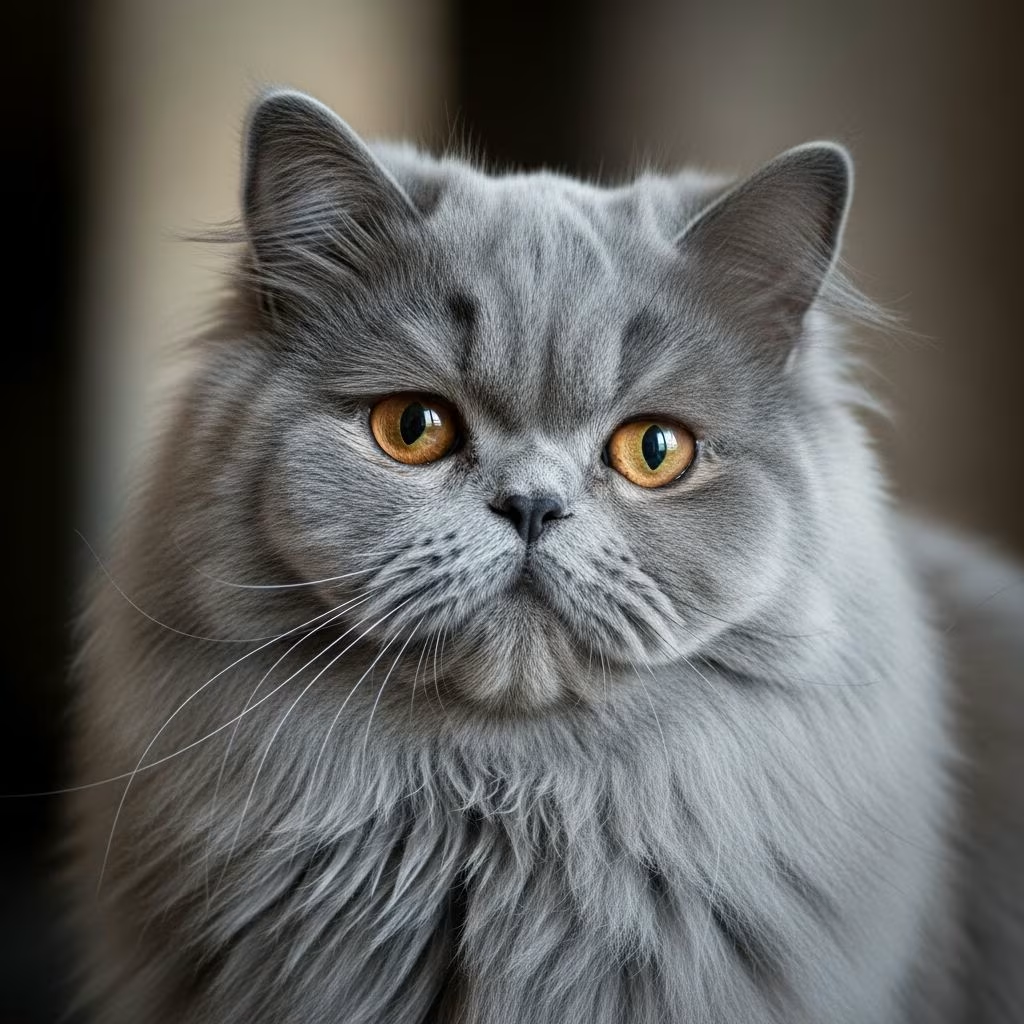
The Blue Persian cat stands out with its stunning blue-gray coat and tranquil demeanor, making it a favorite among cat enthusiasts who appreciate elegance and companionship. This variety of the Persian breed combines striking aesthetics with a gentle personality suited to relaxed households.
Origins and Development of the Blue Persian
Persian cats trace their roots to ancient Persia, now Iran, where they were prized for their luxurious fur and regal presence. The Blue Persian emerged as a color variant within this ancient lineage, prized for its soft, smoky blue shade ranging from light ash to deep slate. Breeders selectively developed this hue through careful mating, emphasizing the breed’s signature long coat and rounded features.
Historical records from cat fancier organizations highlight how Persians evolved from long-haired imports to Europe in the 1600s. The blue coloration became standardized in the 19th century, with bodies like The Cat Fanciers’ Association (CFA) defining precise shades such as blue smoke or shaded blue, where undercoats remain white with blue tipping for a shimmering effect. This development preserved the breed’s cobby build—broad-chested with short, sturdy legs—while refining the distinctive facial structure.
Distinctive Physical Features
Blue Persians embody a compact yet plush form, typically measuring 10 to 15 inches in height and weighing 7 to 12 pounds. Their bodies are muscular and rounded, with a thick neck supporting a massive head featuring small, rounded ears set wide apart and enormous, expressive eyes in shades of copper or green.
The hallmark is the ultra-short muzzle, or brachycephalic face, which gives them a perpetually sweet, owl-like expression. This feature, intensified through selective breeding since the mid-20th century, started from a genetic mutation in the 1950s that breeders popularized. Their coat is the crowning glory: long, thick, and silky, with the blue variant displaying even tipping that darkens along the back and tail while lightening on the chest and belly.
| Feature | Description |
|---|---|
| Body Type | Cobby, broad chest, short legs |
| Coat | Long, dense, blue-gray with white undercoat |
| Head | Large, round, flat face, large eyes |
| Size | 7-12 lbs, 10-15 inches tall |
| Lifespan | 15-20 years |
These traits make Blue Persians appear like living plush toys, but the flat face brings specific care needs.
Personality and Behavior Traits
Blue Persians are the epitome of feline serenity, known for their loyal, affectionate nature without demanding constant play. They form deep bonds with owners, often following them room-to-room and curling into laps for hours, earning them the nickname “furniture with fur”. Vocal yet gentle, they communicate with soft chirps and purrs rather than loud yowls.
Unlike high-energy breeds, Blue Persians prefer quiet observation from a sunny perch, adapting well to apartment living. They possess moderate intelligence, avoiding mischief but capable of learning basic commands. Sensitivity to noise means they flourish in calm environments, shying from boisterous kids or rambunctious pets.
- Affectionate: Devoted to family, seeks petting sessions.
- Calm: Laid-back, low-activity lifestyle.
- Gentle: Tolerant with respectful handling.
- Social: Friendly with adults, reserved with strangers.
- Chatty: Expressive through purrs and meows.
Grooming and Daily Care Essentials
High-maintenance defines Blue Persian upkeep, primarily due to their opulent coat. Daily brushing with a wide-tooth comb prevents mats, especially around the ruff and britches. Bathing every 4-6 weeks keeps the fur clean, followed by thorough drying to avoid skin issues.
The flat face necessitates eye cleaning twice daily with vet-approved wipes to remove tear staining, a common issue causing rusty marks. Dental hygiene is crucial; provide specially shaped kibble and brush teeth weekly to combat malocclusion risks.
Nail trims every 10-14 days and ear checks monthly round out routines. A diet rich in high-quality protein supports coat health and weight management, as their sedentary nature predisposes to obesity.
Health Considerations and Common Issues
With proper care, Blue Persians live 15-20 years, but brachycephaly introduces challenges. Breathing difficulties, known as brachycephalic obstructive airway syndrome, worsen in heat or stress. Eye conditions like entropion (inward-rolling lids) and polycystic kidney disease (PKD) affect up to 30-50% of Persians, per veterinary studies.
Regular vet visits, including PKD screening via ultrasound, mitigate risks. Heart conditions like hypertrophic cardiomyopathy and skin fold infections from their facial structure require vigilance. Spaying/neutering aids longevity, and indoor-only living shields from parasites and accidents.
Ideal Living Environments and Lifestyle Fit
Quiet, adult households suit Blue Persians best—no toddlers or rowdy dogs. They thrive indoors with ample perches, scratching posts, and warm beds. Interactive toys like feather wands provide gentle exercise without overexertion.
Climate control is key; they dislike drafts and extremes, preferring 68-78°F. Multi-cat homes work if companions match their mellow vibe. Devoted owners willing to invest time in grooming find unmatched rewards in their unwavering loyalty.
Nutrition and Feeding Guidelines
Feed premium wet and dry foods formulated for long-haired breeds, emphasizing taurine for heart health and omega-3s for coat shine. Portion control prevents obesity: 1/4-1/2 cup dry kibble daily, split into meals, adjusted for age and activity.
Fresh water always, preferably flowing fountains to encourage hydration. Avoid free-feeding; scheduled meals maintain ideal weight. Seniors may need softer textures for dental comfort.
Training and Enrichment Activities
While not trick masters, Blue Persians respond to positive reinforcement. Litter training is instinctive, but clicker training teaches sit or come. Puzzle feeders combat boredom, dispensing treats to mimic hunting.
Enrichment includes window perches for bird-watching and soft tunnels for exploration. Daily 10-15 minute play sessions suffice, focusing on calm interaction over vigorous chasing.
Bringing Home Your Blue Persian: Adoption Tips
Source from reputable breeders adhering to CFA standards, requesting health clearances for PKD and hips. Shelters occasionally have Persians; rescues like Persian cat-specific groups offer purebreds. Prepare with grooming tools, elevated bowls for face comfort, and a quiet introduction space.
Kittens cost $1,000-$3,000; adults less. Vet check within 72 hours ensures vaccinations and deworming.
Frequently Asked Questions (FAQs)
Are Blue Persians good with children?
Best with older, gentle kids; their sensitivity to noise and rough play makes them unsuited for toddlers.
How often do Blue Persians need baths?
Every 4-6 weeks, or as needed, with thorough drying to prevent matting.
Do Blue Persians shed a lot?
Yes, heavily; daily brushing minimizes loose fur.
Can Blue Persians live outdoors?
No, strictly indoor cats to protect their coat and health from elements.
What is the difference between Blue Persian and other Persians?
Only coat color; all share identical build, temperament, and care needs.
References
- Persian — The Cat Fanciers’ Association. 2023. https://cfa.org/breed/persian/
- Persian cat — Wikipedia. 2023-10-01. https://en.wikipedia.org/wiki/Persian_cat
- Blue Persian Cat Breed: Info, Pictures, Care & Facts — Catster. 2023. https://www.catster.com/cat-breeds/blue-persian/



