

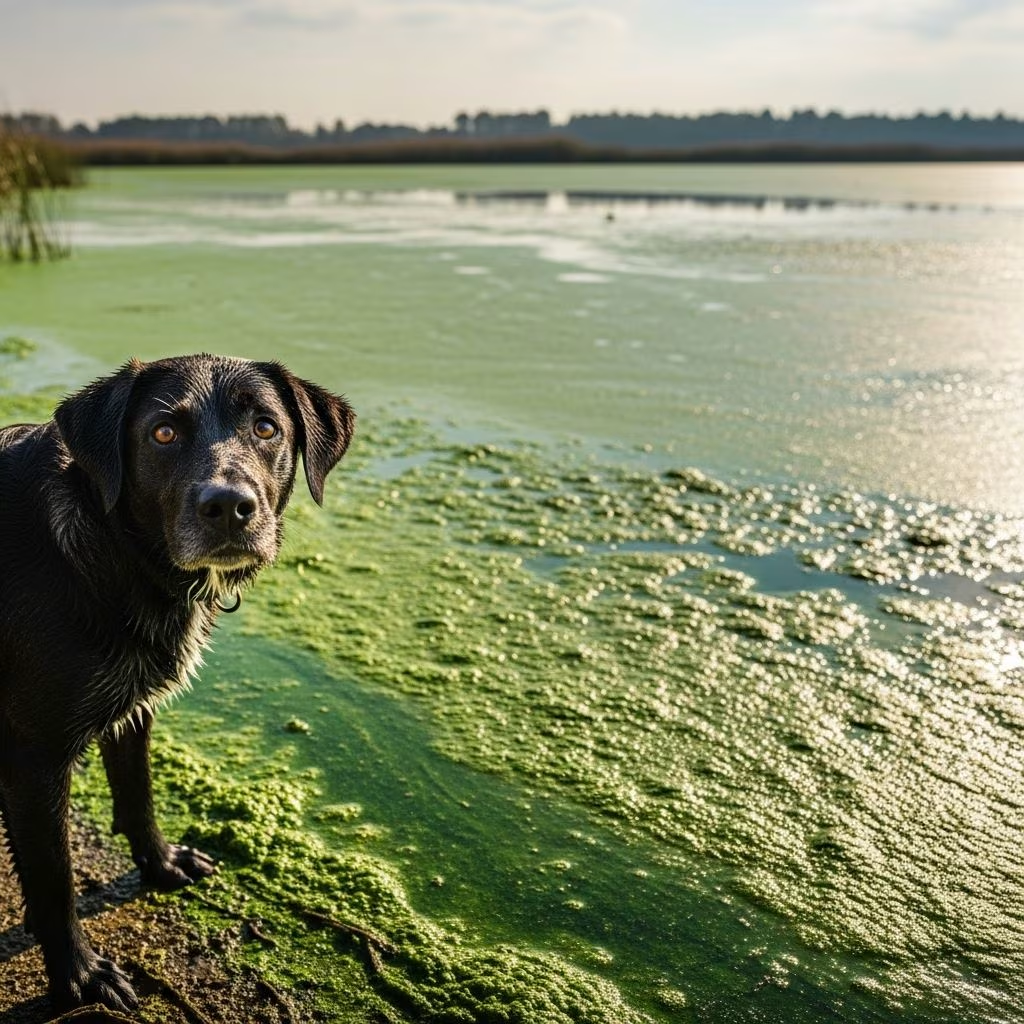
Blue-green algae, also known as cyanobacteria, represents a serious health hazard for dogs, particularly during warm weather when blooms thrive in stagnant freshwater. These microscopic bacteria can produce potent toxins that lead to rapid organ failure, neurological damage, or skin irritation in pets. Exposure often occurs when dogs drink, swim in, or lick contaminated water, and symptoms can appear within minutes to days, frequently proving fatal without immediate veterinary intervention.
Understanding the risks is crucial for dog owners, as blooms are increasingly common due to factors like nutrient pollution and climate change. This article covers identification, symptoms, treatment, prevention, and FAQs to equip you with life-saving knowledge.
What is blue-green algae?
Blue-green algae are not true algae but photosynthetic bacteria called cyanobacteria that form dense blooms in slow-moving or stagnant waters such as ponds, lakes, reservoirs, canals, and ditches. Thriving in warm temperatures above 20°C (68°F) and nutrient-rich environments from agricultural runoff or sewage, these blooms create visible scum or mats on the water surface.
Cyanobacteria produce cyanotoxins like microcystins (hepatotoxins targeting the liver), anatoxins and saxitoxins (neurotoxins affecting the nervous system), and dermatoxins causing skin issues. Even small exposures are dangerous, as toxins are heat-stable and persist after the bloom dies off. All types are potentially lethal to dogs, with no safe concentration level.
Blooms appear most frequently in late summer but can occur anytime conditions favor growth. They are global, with notable incidents reported worldwide, emphasizing the need for vigilance near natural waters.
How to spot blue-green algae
Identifying blue-green algae early prevents exposure. Unlike harmless green algae, toxic blooms often have a characteristic appearance:
- Green, blue, or brownish scum or paint-like streaks on the water surface.
- Clumps resembling seaweed or green flakes floating around.
- Cloudy water with a greenish, bluish, or brownish tint.
- Foamy accumulations along shorelines, mimicking sewage.
- Brown dots or parallel lines on the water.
Warning signs include dead fish, birds, or other wildlife on the shore, indicating toxin presence. Blooms may smell earthy, musty, or sewage-like. Note that not all blooms are toxic, but assuming safety is risky—avoid all suspicious waters.
Official monitoring by environmental agencies posts warnings at high-risk sites, but remote areas lack signage. Check local water quality reports or apps for updates.
Symptoms of blue-green algae poisoning in dogs
Symptoms vary by toxin type and exposure level, onsetting from 15 minutes to several days. Hepatotoxins cause liver failure rapidly (hours), neurotoxins trigger immediate neurological crisis, and dermatotoxins manifest slower (days) as skin lesions. Common signs include:
- Gastrointestinal: Vomiting (possibly bloody), diarrhea, drooling, foaming at mouth.
- Neurological: Tremors, twitching, seizures, muscle rigidity, paralysis, disorientation, collapse, coma.
- Respiratory: Difficulty breathing, rapid/shallow breaths.
- Other: Weakness, lethargy, pale gums, jaundice (yellowing), increased thirst, reddened skin, blisters/ulcers.
Sudden death can occur without prior signs, especially from neurotoxins causing respiratory arrest. Skin toxins lead to rashes or burns where fur contacts water.
| Toxin Type | Primary Effects | Onset Time | Common Symptoms |
|---|---|---|---|
| Hepatotoxin (e.g., Microcystin) | Liver failure | Hours | Vomiting, jaundice, collapse, death |
| Neurotoxin (e.g., Anatoxin) | Nervous system | 15-60 mins | Tremors, seizures, paralysis, respiratory failure |
| Dermatoxin | Skin | Days | Reddening, blisters, ulcers |
If symptoms appear post-water exposure, seek emergency vet care immediately.
What to do if your dog has been exposed
Act fast—time is critical, as no antidote exists. Steps include:
- Remove from water: Prevent further exposure; rinse fur thoroughly with clean, fresh water (avoid inducing vomiting at home due to aspiration pneumonia risk).
- Assess symptoms: Note onset and type for the vet.
- Contact vet/poison hotline: Rush to an emergency clinic even if asymptomatic, as toxins act quickly.
Veterinary treatment involves decontamination, IV fluids, anti-seizure meds (e.g., diazepam), liver protectants (e.g., SAMe), activated charcoal, bloodwork monitoring, and ventilation if needed. Survival rates improve with early intervention, but liver/neuro cases have high mortality (up to 100% if delayed).
Prognosis: Skin exposures often resolve with care; internal toxins may cause chronic damage or death in survivors.
Preventing blue-green algae poisoning
Prevention is key, as treatment success is limited:
- Avoid stagnant freshwater, especially warm weather—stick to flowing rivers, chlorinated pools, or beaches.
- Supervise swims; train recall to prevent drinking.
- Rinse dogs post-swim, even in “safe” waters.
- Avoid shorelines with foam/scum; check for dead animals.
- Use life jackets to limit ingestion.
- Report suspected blooms to authorities for testing.
Educate on risks; discourage licking wet fur. No vaccine exists, but awareness saves lives.
Frequently Asked Questions (FAQs)
Q: Can all blue-green algae harm dogs?
A: Not all strains produce toxins, but many do, and identification requires lab testing. Treat all blooms as hazardous.
Q: How quickly do symptoms appear?
A: Neurotoxins: 15 mins-1 hour; hepatotoxins: hours; dermatotoxins: days. Sudden death possible.
Q: Is blue-green algae a risk to humans?
A: Yes—causes rashes, nausea, headaches; severe cases include liver/brain damage. Children most vulnerable.
Q: What if my dog just swam in suspect water but seems fine?
A: Seek vet evaluation anyway; toxins can act subclinically before crisis.
Q: Where are blooms most common?
A: Stagnant, nutrient-rich freshwater in summer; check local advisories.
Conclusion
Blue-green algae poisoning remains a preventable yet deadly threat to dogs. Vigilance, prompt action, and avoidance of risky waters are essential for pet safety. Share this knowledge to protect more dogs.
References
- How To Identify Toxic Blue-Green Algae: Keeping Your Dog Safe — PetMD. 2023-08-15. https://www.petmd.com/dog/poisoning/how-to-identify-blue-green-algae-for-dogs
- Blue-Green Algae Poisoning in Dogs: Symptoms and Prevention — American Kennel Club (AKC). 2024-05-20. https://www.akc.org/expert-advice/news/blue-green-algae-symptoms-tips/
- Blue Green Algae Poisoning in Dogs — People’s Dispensary for Sick Animals (PDSA). 2024-07-10. https://www.pdsa.org.uk/pet-help-and-advice/pet-health-hub/conditions/blue-green-algae-poisoning-in-dogs
- Blue-Green Algae and its Dangers to Dogs — Blue Cross. 2023-11-05. https://www.bluecross.org.uk/advice/dog/blue-green-algae-and-its-dangers-to-dogs
- Blue-green algae poisoning: Cyanobacteria toxicosis — Cornell University College of Veterinary Medicine. 2024-02-28. https://www.vet.cornell.edu/departments-centers-and-institutes/riney-canine-health-center/canine-health-topics/blue-green-algae-poisoning-cyanobacteria-toxicosis
- For Veterinarians: Harmful Algal Bloom-Associated Illnesses — Centers for Disease Control and Prevention (CDC). 2025-03-12. https://www.cdc.gov/harmful-algal-blooms/hcp/veterinarians/index.html



