

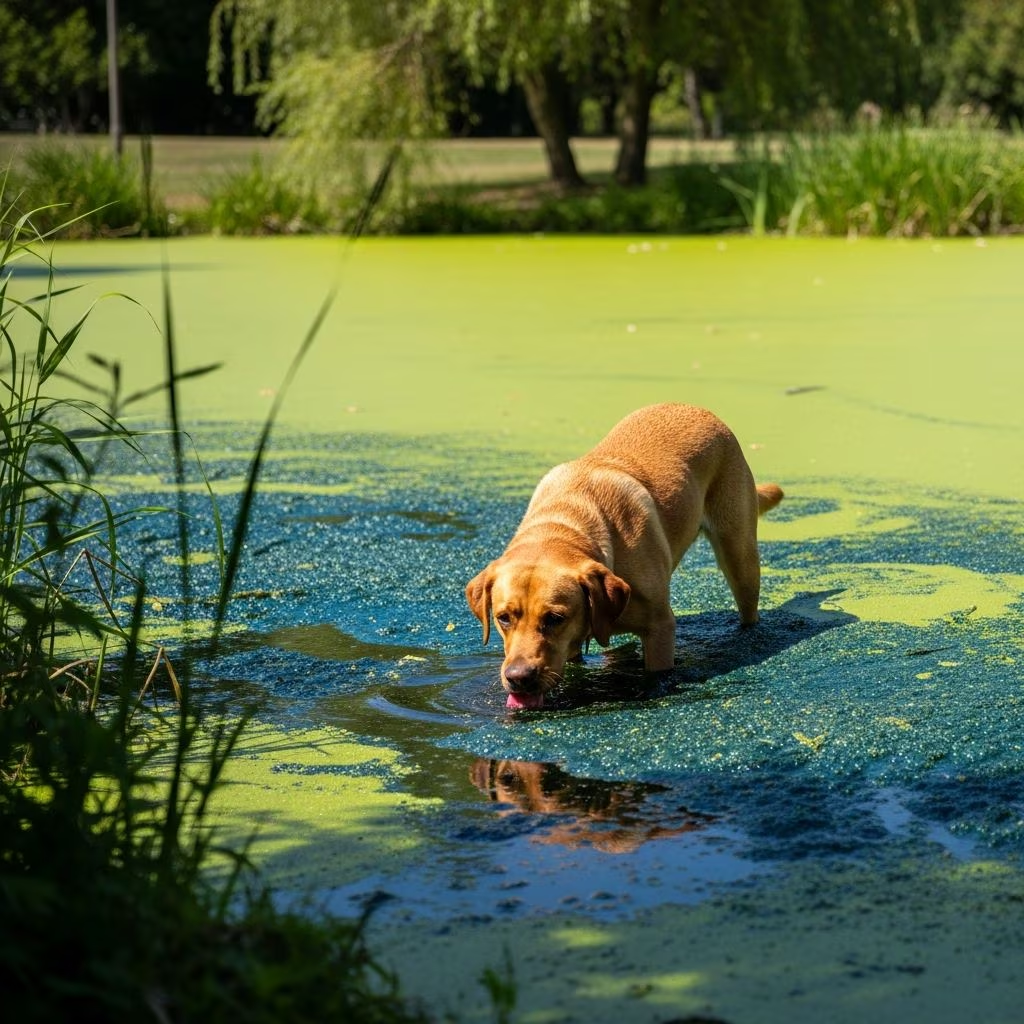
Blue-green algae, scientifically known as cyanobacteria, forms dense blooms in warm, nutrient-rich waters and releases potent toxins that can kill dogs within hours of exposure. Even minimal contact through drinking, swimming, or grooming can trigger irreversible liver failure, neurological collapse, or skin damage, making vigilance essential for pet owners near natural water bodies.
Understanding Cyanobacteria and Its Rapid Spread
Cyanobacteria thrive in stagnant freshwater like lakes, ponds, and slow-moving rivers, especially during hot summer periods when temperatures rise and nutrients from runoff fuel explosive growth. These microscopic organisms appear as colorful scum or mats on the water’s surface, often bluish-green, but can also manifest as white, brown, or red hues, complicating visual identification.
Not all blooms produce toxins, yet distinguishing toxic from harmless ones requires laboratory testing, which is impractical in real-time scenarios. Factors such as calm waters, high phosphorus levels from fertilizers, and prolonged sunlight accelerate bloom formation, turning recreational spots into hidden hazards year-round, though peaks occur mid-to-late summer.
- Common locations: Stagnant ponds, reservoirs, and nutrient-polluted lakes.
- Seasonal peaks: Warm weather promotes rapid proliferation.
- Visual clues: Thick surface scum, parallel wind streaks, or foul odors.
How Dogs Encounter This Invisible Poison
Dogs face exposure primarily through enthusiastic water play, lapping at contaminated surfaces, or inadvertently ingesting algae-laden droplets while shaking off fur. Their grooming habits exacerbate risks, as licking paws or coats transfers toxins directly into the bloodstream. Even brief swims in affected areas can coat their bodies, leading to poisoning hours later during self-cleaning.
Small breeds and puppies are particularly vulnerable due to lower body mass, where just a few laps of water suffice for lethal doses. Toys like balls that prompt repeated water retrieval increase ingestion risks, blending fun with fatal peril.
| Exposure Route | Risk Level | Common Scenarios |
|---|---|---|
| Drinking water | High | Thirsty dogs at pond edges |
| Swimming | High | Fetching in lakes |
| Grooming fur/paws | Medium-High | Post-swim licking |
| Skin contact | Medium | Prolonged wading |
Toxins Unleashed: Microcystins and Anatoxins Explained
The primary villains are microcystins, hepatotoxins that assault the liver by inhibiting protein phosphatases, causing rapid cell death and hemorrhagic shock. Anatoxins, neurotoxins mimicking acetylcholine, overstimulate nerves, leading to muscle paralysis, respiratory arrest, and death in minutes. Dermatoxins provoke skin blistering after delayed onset.
These cyanotoxins resist breakdown in the environment, persisting in scums even after blooms dissipate. Ingested amounts as small as a mouthful can overwhelm a dog’s detoxification systems, with no safe threshold established.
Recognizing the Alarming Signs of Poisoning
Symptoms erupt swiftly—within 15 minutes to hours for neurotoxins, or days for skin effects—demanding immediate recognition. Initial gastrointestinal upset like profuse vomiting and bloody diarrhea signals liver involvement, progressing to jaundice, weakness, and coma.
Neurological manifestations include hypersalivation, tremors, rigidity, seizures, disorientation, and cyanosis from respiratory failure. Skin signs feature reddening, ulcers, and blisters at contact points.
- Gastrointestinal: Vomiting, diarrhea (often bloody), anorexia.
- Neurological: Drooling, tremors, seizures, paralysis, coma.
- Hepatic: Jaundice, dark urine, abdominal pain, shock.
- Dermatological: Red skin, blisters, itching.
Progression is merciless; untreated cases culminate in multi-organ failure and death, often within 24 hours.
Emergency Response: Act Within the Critical Window
Upon suspicion, rush to a veterinarian without inducing vomiting at home, as aspiration pneumonia risks soar. Preserve water samples or fur clippings for toxin analysis. Vets deploy aggressive protocols: IV fluids for hydration, anti-seizure meds like diazepam, liver protectants such as SAMe, and ventilatory support for respiratory distress.
Early decontamination via gastric lavage offers the slimmest hope, but once signs appear, prognosis dims—no specific antidote exists. Intensive care units monitor clotting, electrolytes, and liver enzymes around-the-clock.
Prevention Strategies: Keeping Your Dog Safe Year-Round
Avoid all visible blooms preemptively; signs include scum lines, dead fish, or avian casualties. Rinse dogs thoroughly post-water exposure, even from seemingly clean sources. Leash walks near waters, carry fresh water bottles, and heed local advisories from environmental agencies.
Educate on bloom-prone areas via apps or signage. Discourage drinking from unknown puddles or decorative ponds. Supplements touted as ‘blue-green’ demand scrutiny—contaminated batches have poisoned pets.
- Scout for scum before swims.
- Provide portable water bowls.
- Bathe dogs immediately after play.
- Monitor local water quality reports.
- Avoid hot, calm water bodies.
Environmental Factors Fueling the Crisis
Climate change intensifies blooms through warmer temperatures and erratic rains flushing agricultural nutrients into waterways. Eutrophication from sewage and fertilizers creates perfect storm conditions, expanding risks globally. Pet owners must advocate for watershed protections alongside personal precautions.
Case Studies: Real-World Tragedies and Survivals
Heartbreaking accounts abound: a retriever succumbing post-pond fetch, revived only by heroic ventilation; a lapdog surviving minimal exposure via rapid chemo-detoxification. These underscore timing’s tyranny—minutes count.
FAQs: Essential Answers for Worried Owners
What does blue-green algae look like on water?
It forms thick, paint-like scum in greens, blues, or earth tones, often streaked by wind, with possible rotten egg smells.
Can my dog survive blue-green algae poisoning?
Survival hinges on exposure quantum and intervention speed; many perish despite care, but early action boosts odds.
Is blue-green algae only a summer problem?
Primarily, yes, but mild winters and fall warmth sustain risks variably.
How do I test water for safety?
Rely on official monitoring; visual checks suffice for avoidance—don’t risk it.
Are there long-term effects for survivors?
Yes, chronic liver impairment or neurological deficits may persist.
Broader Implications for Pet and Human Health
Humans face parallel risks—rashes, nausea, or worse—prompting beach closures. Families must protect all members, modeling caution for children mimicking dogs’ water zeal.
In sum, blue-green algae exemplifies nature’s stealthy dangers; informed guardianship averts tragedy. Stay alert, act decisively, and cherish toxin-free adventures.
References
- Blue-Green Algae and its Dangers to Dogs — Blue Cross. Accessed 2026. https://www.bluecross.org.uk/advice/dog/blue-green-algae-and-its-dangers-to-dogs
- How To Identify Toxic Blue-Green Algae: Keeping Your Dog Safe — PetMD. Accessed 2026. https://www.petmd.com/dog/poisoning/how-to-identify-blue-green-algae-for-dogs
- Pet Safety Alert: The Rising Dangers of Blue-Green Algae — ASPCA. Accessed 2026. https://www.aspca.org/news/pet-safety-alert-rising-dangers-blue-green-algae
- Blue-green algae poisoning: Cyanobacteria toxicosis — Cornell University College of Veterinary Medicine. Accessed 2026. https://www.vet.cornell.edu/departments-centers-and-institutes/riney-canine-health-center/canine-health-topics/blue-green-algae-poisoning-cyanobacteria-toxicosis
- For Veterinarians: Harmful Algal Bloom-Associated Illnesses — Centers for Disease Control and Prevention (CDC). Accessed 2026. https://www.cdc.gov/harmful-algal-blooms/hcp/veterinarians/index.html



