

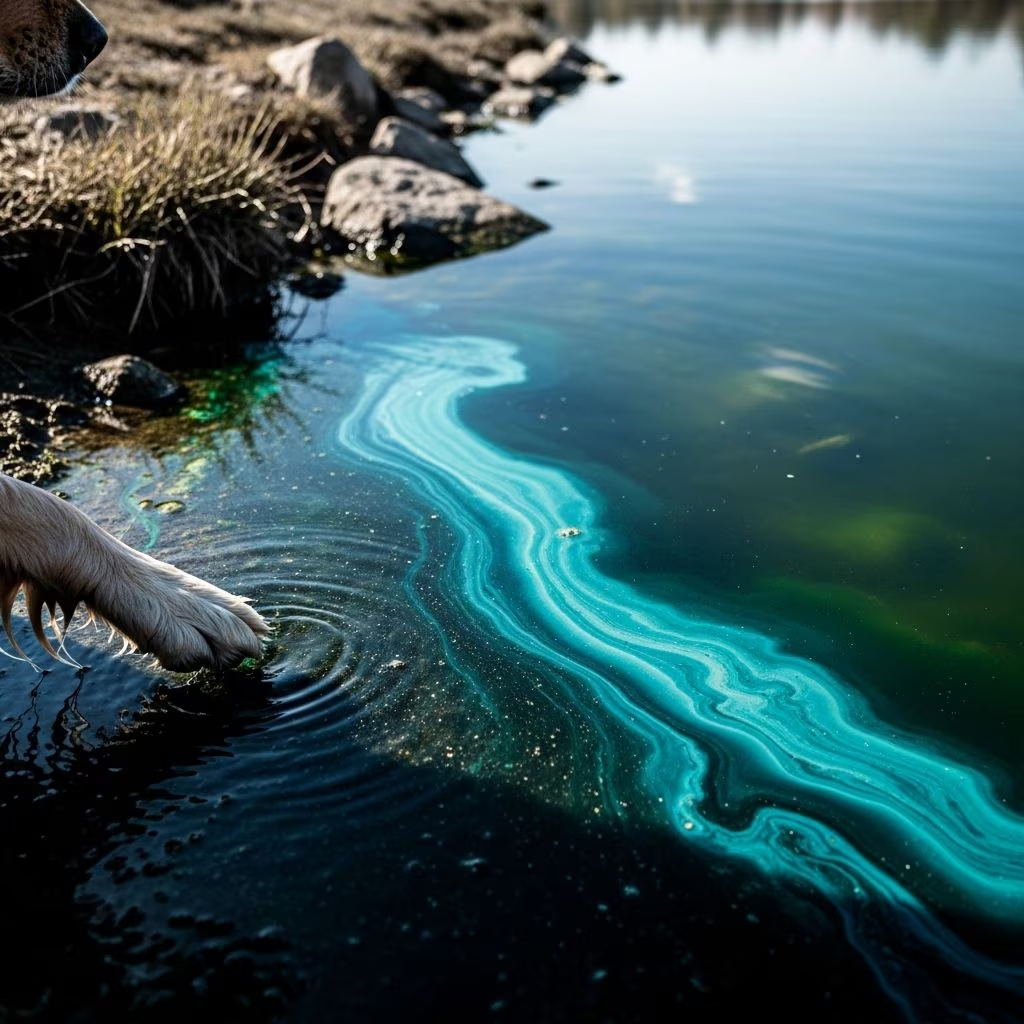
Toxic blue-green algae, scientifically known as cyanobacteria, forms dense blooms in warm, stagnant freshwater, releasing potent toxins that can kill dogs within hours. These microscopic organisms thrive in summer heat, turning recreational waters into hidden hazards for pets who love to swim and drink.
The Hidden Danger in Familiar Waters
Cyanobacteria are not true algae but bacteria capable of photosynthesis, often appearing as blue-green mats, scum, or paint-like coatings on water surfaces. Warm temperatures, nutrient pollution from fertilizers and sewage, and calm waters promote explosive growths called harmful algal blooms (HABs). Dogs encounter these in ponds, lakes, and slow-moving rivers during play.
Pet owners may notice a foul, musty, or swampy odor signaling a bloom, though not all are toxic—visual cues alone cannot confirm danger. Government agencies sometimes post warnings or treat waters, but vigilance remains essential.
How Cyanobacteria Toxins Harm Dogs
Different cyanotoxins target specific organs: microcystins ravage the liver, causing rapid failure; anatoxins and saxitoxins assault the nervous system, leading to paralysis; and dermatoxins irritate skin. Even minimal exposure via drinking, swimming, or grooming wet fur can prove fatal, especially liver or neurotoxins.
- Liver toxins (microcystins): Destroy hepatocytes, leading to bleeding, shock, and death in hours to days.
- Neurotoxins (anatoxins): Block nerve signals, causing tremors, seizures, and respiratory arrest within minutes.
- Skin toxins: Cause rashes and blisters over days, less lethal but requiring care.
Dogs’ curiosity drives ingestion—lapping scum, swallowing water while fetching, or licking paws. Their smaller size amplifies toxin impact compared to larger animals.
Recognizing the Signs of Poisoning
Symptoms emerge 15 minutes to days post-exposure, varying by toxin. Liver effects include jaundice and dark urine; neurotoxins bring rapid collapse. Act immediately on any sign after water play.
| Toxin Type | Common Symptoms | Onset Time |
|---|---|---|
| Liver (Hepatotoxins) | Vomiting, diarrhea, jaundice, lethargy, abdominal pain, pale gums, blood in urine | Hours to days |
| Nervous System (Neurotoxins) | Drooling, tremors, stiffness, disorientation, seizures, paralysis, breathing issues | Minutes to hours |
| Skin (Dermatotoxins) | Rash, hives, blisters, reddening | Days |
Neurologic signs like stumbling or foaming signal emergencies; liver failure may follow vomiting with weakness. Sudden death occurs without warning in severe cases.
Immediate Response to Suspected Exposure
If your dog contacts suspect water:
- Rinse thoroughly: Use fresh water to wash fur, paws, and mouth, preventing further absorption.
- Seek vet care now: Rush to an emergency clinic—do not wait for symptoms or induce vomiting, risking aspiration pneumonia.
- Provide history: Note water source, duration, and amount ingested for diagnosis.
Vets use blood tests for liver enzymes and clotting, water samples for toxins if available. Early decontamination boosts survival odds.
Medical Interventions and Prognosis
Treatment targets symptoms—no antidote exists. Protocols include:
- IV fluids for hydration and flushing.
- Anti-seizure drugs like diazepam.
- Liver protectants such as SAMe or silymarin.
- Ventilatory support for breathing failure.
- Monitoring for coagulopathies.
Prognosis is grave: liver/neurotoxin cases often fatal before treatment; skin exposures recoverable with care. Survivors risk chronic liver damage.
Intensive care in 24-72 hours is critical; many dogs perish en route.
Prevention Strategies for Safe Outings
Avoidance is paramount:
- Check advisories: Consult local health departments, signs, or apps for bloom alerts.
- Inspect water: Steer clear of discolored, scummy, or smelly areas; no bloom is safe visually.
- Supervise closely: Prevent drinking or submersion; use leashes near water.
- Opt for alternatives: Choose flowing rivers, chlorinated pools, or oceans over stagnant lakes.
- Report blooms: Notify authorities for public testing/treatment.
Train dogs to avoid water on command; carry fresh water for hydration.
Environmental Factors Fueling the Problem
Climate change warms waters, intensifying blooms. Runoff from agriculture and lawns adds phosphorus/nitrogen. Stagnant conditions in droughts worsen risks. Recent U.S. incidents, like 2019 dog deaths in multiple states, highlight urgency.
Federal efforts like CDC HAB surveillance aid monitoring, but pet owners must stay proactive.
FAQs: Blue-Green Algae and Dogs
Can all blue-green algae harm my dog?
Not all strains produce toxins, but assume danger—testing is impractical during play.
How quickly does poisoning occur?
Neurotoxins in minutes; liver toxins hours-days. Rinse and vet immediately.
Is ocean water safe?
Usually, as salt inhibits cyanobacteria; freshwater is primary risk.
What if my dog seems fine after exposure?
Delayed symptoms possible; monitor 48-72 hours and consult vet.
Can humans get sick too?
Yes—skin rashes, nausea; rinse and seek care.
Real-World Cases and Lessons Learned
In 2019, seven dogs died across U.S. states from bloom ingestion, sparking alerts. Wilmington vets warned of fatal outcomes; social media amplified prevention messages. These tragedies underscore rapid toxin action—healthy dogs collapsed post-swim.
Annual summer spikes demand awareness; early reporting protects communities.
References
- Blue-Green Algae Poisoning in Dogs: Symptoms and Prevention — American Kennel Club. 2023-07-15. https://www.akc.org/expert-advice/news/blue-green-algae-symptoms-tips/
- How To Identify Toxic Blue-Green Algae: Keeping Your Dog Safe — PetMD. 2024-05-20. https://www.petmd.com/dog/poisoning/how-to-identify-blue-green-algae-for-dogs
- Blue-green algae poisoning: Cyanobacteria toxicosis — Cornell University College of Veterinary Medicine. 2023-11-10. https://www.vet.cornell.edu/departments-centers-and-institutes/riney-canine-health-center/canine-health-topics/blue-green-algae-poisoning-cyanobacteria-toxicosis
- Ask A UW Veterinarian: Blue-Green Algae — University of Wisconsin School of Veterinary Medicine. 2023-06-28. https://www.vetmed.wisc.edu/ask-a-veterinarian-blue-green-algae/
- For Veterinarians: Harmful Algal Bloom-Associated Illnesses — Centers for Disease Control and Prevention (CDC). 2025-03-12. https://www.cdc.gov/harmful-algal-blooms/hcp/veterinarians/index.html
- Protect yourself, your pets from toxic algae — Colorado Department of Public Health & Environment. 2024-08-05. https://cdphe.colorado.gov/press-release/protect-yourself-your-pets-from-toxic-algae



